
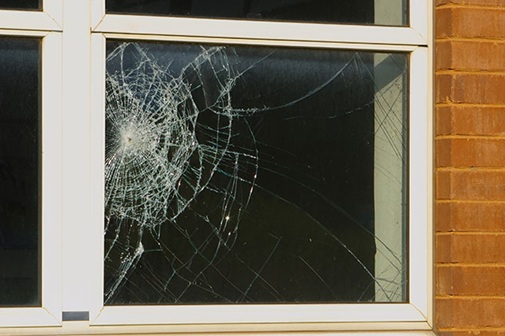
Imagine this: it’s a crisp autumn morning, and you’re sipping your coffee when you notice a hairline crack spiderwebbing across your kitchen window. At first, it seems minor, a quirk of the changing seasons. But in Canada’s unforgiving climate, where freezing temperatures and sudden gusts are routine, that small fissure can quickly escalate into a larger problem. Glass surrounds us in our daily lives, from the expansive panes framing our views of snow-capped mountains to the sturdy doors welcoming guests into our homes. Yet, its fragility often catches us off guard. As homeowners, we invest in these features for beauty and functionality, only to face the stress of damage when least expected.
Understanding glass damage goes beyond aesthetics. It touches on safety, energy efficiency, and even property value. In a country where homes endure extreme weather swings, addressing these issues promptly preserves not just the structure but the peace of mind that comes with it. For those unexpected breaks that disrupt your routine, knowing where to turn for emergency window glass repair can make all the difference in restoring safety and comfort quickly. With that foundation, let’s explore the nuances of glass repair, from causes to solutions, tailored to the realities of Canadian living.
Common Causes of Glass Damage in Canadian Homes
Canada’s diverse landscapes bring unique challenges to our glass installations. From the Atlantic coast’s salty winds to the Prairies’ relentless hailstorms, environmental factors play a starring role in wear and tear. Take winter, for instance. Ice buildup on window frames can exert pressure, leading to cracks as temperatures fluctuate. A study from the fenestration industry highlights how the sector shipped 4.3 million windows across the country in 2023, underscoring the scale of installations battling these elements. Yet, even with modern manufacturing, nature finds ways to test durability.
Accidental impacts rank high among non-weather causes. Children playing with sports equipment, misplaced ladders during yard work, or even a wayward bird can turn a clear pane opaque in seconds. In urban settings, where homes nestle closer together, minor collisions from delivery vehicles or falling branches add to the tally. Then there’s thermal stress. Rapid shifts from a toasty indoor heater to sub-zero outdoor air cause expansion and contraction, weakening seals over time. These stressors compound, turning isolated incidents into patterns if ignored.
Vandalism and attempted break-ins, though less frequent, carry emotional weight. Statistics from major cities reveal thousands of such events annually, often targeting ground-level glass for easy access. Homes with vulnerable entry points suffer not just material loss but heightened security concerns. Recognizing these triggers empowers homeowners to anticipate rather than react, fostering a proactive stance in maintenance.
Identifying Types of Glass Damage and When to Act
Not all damage announces itself dramatically. Some creeps in subtly, like a chip from road debris on a storm door, while others shatter spectacularly during a summer squall. Categorizing these helps in deciding the next step. Surface scratches, for example, mar appearance but rarely compromise integrity unless deep enough to etch into the material. Chips and cracks, however, demand attention. A small divot might seem cosmetic, but left exposed, it invites moisture infiltration, leading to fogging or mold in insulated units.
Full breaks split into tempered versus laminated varieties. Tempered glass, common in shower enclosures and side windows, shatters into safe, pebble-like granules upon impact, minimizing injury risk. Laminated glass, bonded with a plastic interlayer, holds together even when fractured, ideal for overhead skylights or balcony railings. Repair approaches vary accordingly: polishing for minor blemishes, resin filling for chips, or complete panel swaps for irreparable fractures.
Timing is crucial. A crack wider than a quarter demands immediate intervention to prevent spreading. In humid coastal regions, unchecked damage accelerates corrosion of frames, while arid interiors see dust accumulation exacerbate issues. Early detection through routine visual checks, especially post-storm, aligns with the broader goal of longevity. Homeowners who inspect seasonally report fewer escalations, keeping costs manageable and disruptions minimal.
The Case for Professional Over DIY Glass Repair
The allure of DIY solutions tempts many, with online tutorials promising quick fixes using epoxy kits or suction cups. While these work for superficial nicks, they falter against structural demands. Professional repair ensures precision, matching original specifications for thermal performance and UV resistance. In Canada, where energy codes emphasize insulation, mismatched replacements can spike heating bills by up to 20 percent.
Safety underscores the pro advantage. Handling large sheets requires specialized tools to avoid slips or uneven cuts, risks amplified on ladders or in tight spaces. Certified technicians adhere to standards from the Fenestration Canada association, guaranteeing compliance with building regulations. Moreover, warranties on labor and materials provide recourse absent in home attempts.
Consider efficiency too. What takes a novice hours, pros complete in under an hour for standard jobs, minimizing household upheaval. With over 2,250 glass and glazing contractors operating nationwide as of mid-2024, access to expertise is robust, from independent shops to larger networks. This ecosystem supports tailored services, like custom cuts for heritage homes or energy-efficient upgrades for modern builds. Opting for professionals translates to durable outcomes, blending craftsmanship with contemporary tech.
Innovations Shaping the Future of Glass Repair
Advancements in materials and methods are transforming how we approach repairs. Laminated safety glass, once a luxury, now features in standard residential installs, resisting impacts from baseballs to bird strikes. Self-healing polymers embedded in coatings mend micro-cracks autonomously, extending service life in high-traffic areas like sliding doors.
Smart glass emerges as a game-changer. Electrochromic panes adjust tint via apps, reducing glare and heat gain without mechanical shades. For repairs, this means integrating sensors during replacement, alerting owners to pressure anomalies before visible damage occurs. In coastal British Columbia, where fog and salt accelerate degradation, hydrophobic treatments repel water, curbing etching.
Sustainability drives innovation too. Recycled content in new panes reaches 70 percent in some lines, aligning with Canada’s green building incentives. Techniques like water-jet cutting minimize waste, while UV-curable resins speed curing times, ideal for on-site fixes. These developments not only repair but elevate, turning vulnerabilities into enhanced features.
Preventive Strategies to Safeguard Your Glass Investments
Prevention trumps repair in cost and convenience. Start with frames: clean tracks quarterly to prevent binding, which strains panes. Apply weatherstripping annually, focusing on seals around edges to block drafts and moisture. In hail-prone areas like Alberta’s foothills, protective films add a sacrificial layer, absorbing shocks without permanent marks.
Landscaping influences longevity. Position shrubs to buffer winds, and install awnings over south-facing windows to mitigate sun-induced warping. For families, designate play zones away from glass-heavy zones, and use tempered options in risky spots. Regular professional inspections, perhaps biannually, catch subclinical issues like seal failures in double-glazed units.
Education plays a role. Homeowners versed in load ratings choose panes suited to snow accumulation, avoiding overload cracks. Combining these habits with smart choices, like low-E coatings for frost resistance, fortifies homes against seasonal assaults. The payoff? Fewer interruptions, lower energy use, and preserved equity.
Weighing the True Cost: Neglect Versus Timely Intervention
Delaying repair invites cascading expenses. A minor crack ignored might necessitate full sash replacement months later, ballooning from hundreds to thousands in dollars. Energy loss compounds this: compromised seals leak heat, countering insulation investments vital in our cold climate. Property insurers often hike premiums for unrepaired vulnerabilities, viewing them as liability magnets.
Conversely, prompt action yields savings. Bundling multiple fixes under one visit cuts labor fees, and upgrades during repair, like switching to argon-filled units, qualify for rebates under provincial efficiency programs. Long-term, well-maintained glass boosts resale appeal, with buyers prizing intact features in inspections.
Quantifying peace of mind proves harder but no less real. A secure, clear view fosters tranquility, especially in neighborhoods where visibility deters opportunists. Investing judiciously in repair ensures homes remain sanctuaries, resilient amid whatever the elements throw next.
In wrapping up, glass damage need not derail your home’s harmony. By grasping causes, embracing professional aid, and adopting preventive rituals, Canadians can navigate these challenges with confidence. Whether weathering a blizzard or basking in summer sun, your glass deserves care that matches its quiet strength. Next time you gaze through a pristine pane, remember: a little foresight keeps the world outside, beautifully framed.






