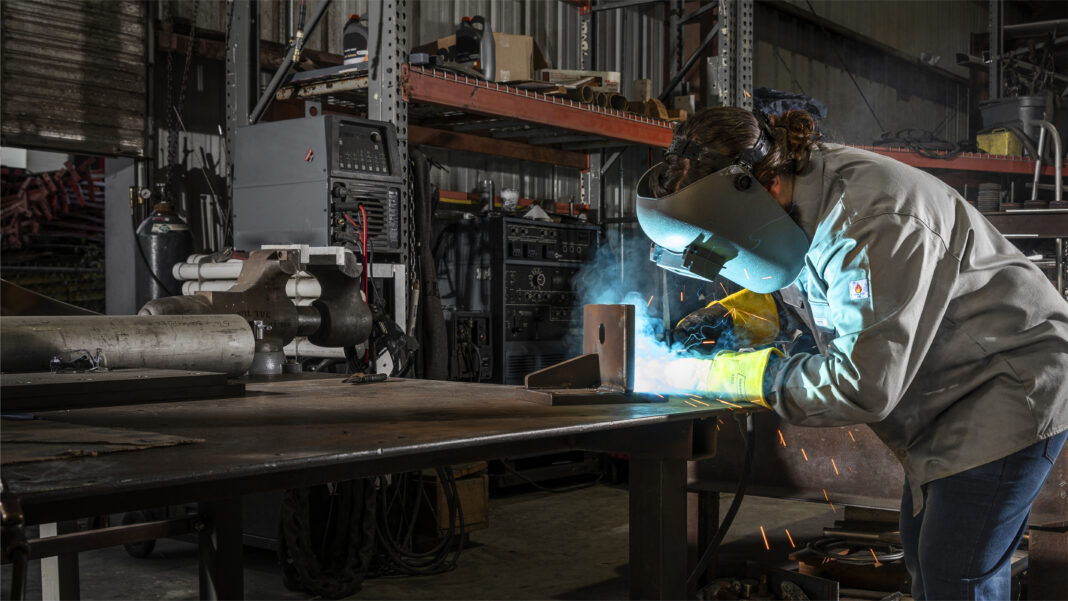
Renovating a home can be exciting, but it also comes with a long list of practical risks that should never be ignored. Whether you are stripping wallpaper, removing old flooring, carrying timber, or helping tradespeople around the property, wearing the right men’s & women’s protective clothing can make renovation work safer, more comfortable, and much easier to manage from start to finish.
Why Safety Should Come First in Home Renovations
Many homeowners begin renovations focused on the final result — a brighter kitchen, a modern bathroom, or a more functional living space. While design is important, safety should always come before style choices.
Renovation projects often involve:
- Dust and debris
- Sharp materials
- Heavy lifting
- Power tools
- Exposed nails or screws
- Electrical and plumbing work
Even smaller DIY jobs can become hazardous if the right precautions are not taken.
Preparing the Space Before Work Begins
Before starting any renovation, the first step is to prepare the workspace properly. Clearing furniture, removing loose objects, and creating safe walkways can prevent accidents before they happen.
If tradespeople are coming in, it is also worth deciding where materials will be stored and how waste will be removed. A cluttered renovation area quickly becomes difficult to work in, especially when several people are moving around the same space.
Good preparation helps the project feel more controlled and less stressful.
Protective Clothing for Different Renovation Jobs
Different jobs require different levels of protection. For example, painting may only require old clothes and gloves, while demolition work demands more durable clothing and stronger footwear.
For general renovation tasks, useful protective clothing may include:
- Long trousers to protect legs from scratches
- Strong gloves for handling wood, tiles, or metal
- Work boots with grip and toe protection
- Long-sleeved tops for dusty or rough work
- Eye protection when cutting or drilling
The goal is not to overcomplicate the process, but to reduce avoidable injuries.
Kitchen and Bathroom Renovation Risks
Kitchens and bathrooms are two of the most common renovation projects, but they often involve plumbing, electrics, tiling, and ventilation.
These rooms can create extra hazards because they include water supplies, electrical fittings, and heavy fixtures. Removing old tiles, cabinets, sinks, or appliances can expose sharp edges, hidden pipes, or damaged wiring.
Homeowners should avoid attempting specialist work unless they are properly trained. Electrical and gas-related tasks should always be handled by qualified professionals.
Working Alongside Tradespeople
Many renovation projects involve a mix of DIY work and professional trades. A homeowner may handle painting or decorating while plumbers, electricians, plasterers, or joiners complete more technical tasks.
When working alongside tradespeople, communication is important. Everyone should know which areas are active, where tools are stored, and which parts of the house are unsafe to enter.
Wearing visible and practical workwear can also help when moving around active work areas, especially during larger projects involving deliveries, ladders, or outdoor cutting stations.
Keeping Dust and Debris Under Control
Dust is one of the most underestimated issues in renovation work. Sanding, drilling, plaster removal, and tile cutting can all create fine particles that spread quickly.
To manage dust effectively:
- Seal off rooms where possible
- Open windows for ventilation
- Use dust sheets
- Wear masks when sanding or cutting
- Clean regularly throughout the project
Controlling dust improves comfort and protects both the workers and the rest of the home.
Avoiding Common DIY Mistakes
DIY renovation work can save money, but mistakes often happen when people rush or underestimate the complexity of a task.
Common mistakes include:
- Using the wrong tools
- Failing to measure correctly
- Ignoring safety instructions
- Lifting heavy items without help
- Not checking for pipes or wires before drilling
Taking time to plan each stage properly often saves money and prevents frustration later.
Final Thoughts
Home renovation should be rewarding, not risky. With careful planning, clear communication, and the right protective clothing, homeowners can make the process safer and more efficient.
Whether renovating one room or managing a full property upgrade, safety should always be treated as part of the project rather than an afterthought.