
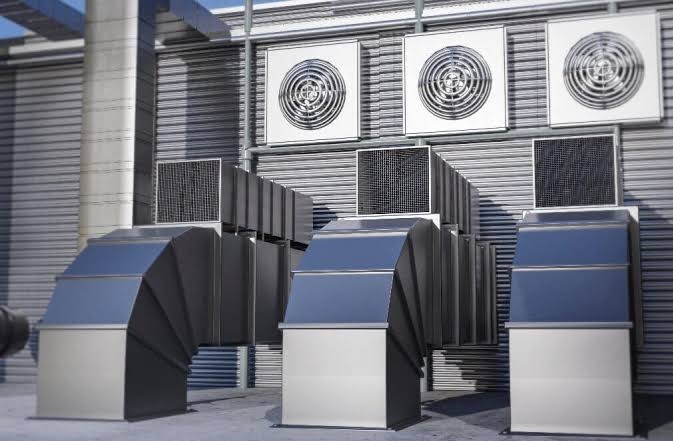
Many building owners struggle with high energy bills and poor indoor air quality. HVAC systems can drive up costs and hurt comfort when they are the wrong size or poorly maintained.
This post shows how to pick the right system, size it correctly, and keep it running efficiently. Read on to save money and improve comfort.
Evaluating the HVAC Needs of Your Commercial Property
Evaluating the HVAC needs of your commercial property is essential for comfort. Start by looking at the size and layout of your building, as well as how many people use it each day.
Assessing building size and layout
Measure total floor area and ceiling heights to calculate heating and cooling load. Sketch floor plans and mark zones, duct runs, and exterior walls. Open floor plates need different handling than many small rooms.
Use those details to size HVAC equipment and plan zones around occupancy patterns. Proper sizing improves comfort, indoor air quality, energy efficiency, and long term reliability.
Considering occupancy and usage patterns
Track actual occupancy levels. Log peak hours and low-use periods. Note how occupants use each space. Count people per square foot. Record equipment and lighting heat gains. Use this data to plan system sizing and zoning for comfort and reliability.
Set ventilation to protect indoor air quality. Adjust schedules to save energy efficiency. Zone systems for varied usage and flexible control. Link controls to building automation for better maintenance and cost savings.
Next, evaluate types of HVAC systems that fit those patterns.
Types of HVAC Systems for Commercial Properties
Commercial properties use various HVAC systems to meet their heating and cooling needs. Split systems, packaged systems, and VRF systems are popular choices for creating a comfortable indoor environment.
Split systems
These units place the compressor outside and the air handler inside for flexible zoning. They improve energy efficiency and indoor air quality in many commercial properties.
Regular maintenance of HVAC systems is crucial to ensure they operate efficiently and provide optimal air quality.
Proper system sizing helps maintain comfort and reliability and yields cost savings. Owners must schedule regular maintenance to extend service life and keep ventilation and heating systems running.
Packaged systems
Split systems are common for many buildings. Packaged systems offer another choice. They combine heating, cooling, and ventilation in one box. This setup sits outside the building and connects to ductwork inside.
Packaged systems are great for smaller commercial properties. They save space and simplify installation. Energy efficiency is vital with these systems. Many models use advanced technology to lower energy costs while improving indoor air quality.
Regular maintenance keeps them running smoothly and reliably, ensuring comfort for occupants year-round.
When considering your options, it’s important to consult with professionals who specialize in commercial HVAC systems to ensure optimal performance and efficiency.
Variable Refrigerant Flow (VRF) systems
Variable Refrigerant Flow (VRF) systems offer flexible heating and cooling for commercial properties. They use refrigerant as the cooling and heating medium. This system can connect multiple indoor units to a single outdoor unit.
Each indoor unit works independently, allowing different temperatures in various rooms.
VRF systems are energy efficient. They adjust the flow of refrigerant based on demand, which reduces energy use. These systems also improve indoor air quality by providing consistent airflow.
Many businesses appreciate their ability to save costs while ensuring comfort for occupants. VRF technology is a reliable choice for modern HVAC design in commercial buildings.
Key Factors for HVAC System Design
Energy efficiency helps reduce costs and improve comfort. Proper sizing of the system ensures effective climate control in the building.
Energy efficiency and sustainability
Energy efficiency helps reduce costs for HVAC systems. It lowers energy use while maintaining comfort. Choosing high-efficiency units can save up to 30% on energy bills. Sustainable practices also support the environment by reducing carbon footprints.
Using smart technology aids in monitoring and controlling HVAC systems. These devices optimize energy use based on building occupancy and needs. Proper insulation and ventilation improve indoor air quality too.
This creates a healthier space for everyone in the building.
Proper system sizing and zoning
Proper system sizing is essential for HVAC systems. An undersized system will struggle to cool or heat a space. This causes discomfort and higher energy bills. An oversized unit can lead to short cycling, which wears out the equipment quickly.
Zoning helps control temperatures in different areas of a building. It allows for customized comfort based on occupancy and usage patterns. Proper zoning ensures that you only use energy where it’s needed, enhancing efficiency and indoor air quality.
This setup leads to better comfort in commercial properties while saving costs.
Compliance with building codes and regulations
Proper system sizing and zoning ensures HVAC systems run efficiently. Adherence to building codes and regulations is crucial for safety and performance. Codes set standards for installation, maintenance, and operation of HVAC systems in commercial properties.
Following these guidelines also helps protect occupant health by ensuring good indoor air quality. Regular checks are necessary to stay within these codes. Not complying can lead to fines or costly renovations later.
Ensure your HVAC design meets local requirements for heating, cooling, and ventilation needs. This compliance supports energy efficiency while improving overall comfort in the building.
The Importance of Regular Maintenance and Inspections
Regular maintenance and inspections keep HVAC systems running smoothly. Performing routine checks can spot potential problems early. A small issue can turn into a costly repair if left alone.
These maintenance tasks include cleaning filters, checking refrigerant levels, and lubricating parts.
Inspections improve energy efficiency too. A well-maintained system uses less energy to cool or heat a space. This results in lower utility bills, saving money for business owners.
Moreover, proper upkeep leads to better indoor air quality, ensuring comfort for everyone inside the commercial property. Regular attention boosts reliability and extends the lifespan of HVAC equipment significantly.
Conclusion
HVAC systems are crucial for modern commercial properties. They ensure comfort and good air quality. Choosing the right system boosts energy efficiency and cuts costs. Regular maintenance keeps these systems running well.
Smart choices lead to better tenant satisfaction and long-term savings.






