
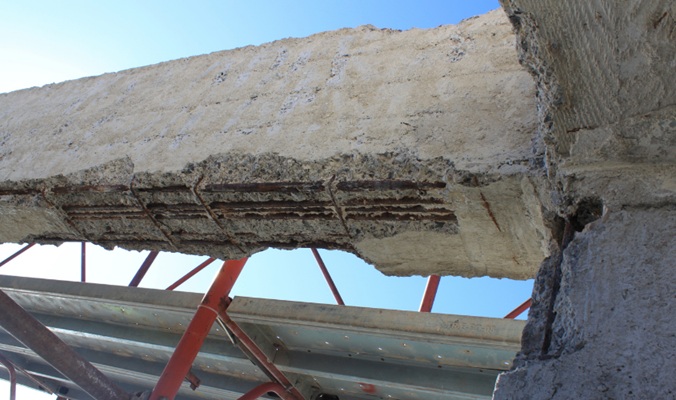
Rising Importance of Preventive Maintenance in Construction Asset Management
Modern construction management is increasingly shifting from reactive repairs to preventive asset protection, particularly in environments exposed to humidity, rainfall, and fluctuating temperatures. Structural durability is no longer defined only by initial material selection but also by long-term maintenance strategies integrated into lifecycle planning.
One of the most persistent challenges in both residential and commercial structures is moisture infiltration, which can gradually compromise timber elements, cladding systems, and load-bearing components. Industry reports consistently show that early intervention significantly reduces lifecycle costs compared to full structural replacement, reinforcing the need for systematic inspection protocols.
In exterior building maintenance workflows, services such as wood rot repair and restoration services play a critical role in addressing early-stage deterioration before it escalates into structural failure. These interventions typically include assessment of moisture intrusion sources, selective material replacement, and protective sealing systems designed to restore integrity while minimizing demolition.
Moisture Intrusion as a Primary Driver of Structural Decay
Moisture penetration remains one of the most studied and costly issues in construction engineering. According to reporting from the BBC, extreme weather patterns linked to climate change are increasing building envelope failures, particularly in older housing stock and inadequately sealed structures.
These conditions place additional pressure on contractors and facility managers to prioritize resilience-based upgrades rather than reactive repairs after visible damage occurs.
Common Entry Points for Moisture Damage
- Poorly sealed window and door frames
- Cracked exterior cladding or paint systems
- Roof flashing failures and gutter blockages
- Subsurface water migration in foundation walls
Understanding these vulnerabilities allows engineers and contractors to prioritize intervention zones before irreversible decay occurs.
Material Science and the Evolution of Repair Techniques
Advancements in material science have significantly improved how construction professionals approach restoration work. Epoxy consolidation systems, moisture-resistant treated timber, and hybrid polymer coatings are now widely used to stabilize affected structures without full component replacement.
The evolution of repair methodologies also reflects a broader shift toward sustainability. Instead of replacing entire structural sections, modern techniques focus on targeted rehabilitation, reducing material waste and project downtime.
Comparative Overview of Repair Approaches
| Repair Method | Application Scope | Cost Efficiency | Structural Impact | Sustainability Level |
| Full Component Replacement | Severe structural failure | Low | High disruption | Moderate |
| Partial Section Repair | Localized damage zones | High | Minimal disruption | High |
| Composite Reinforcement | Load-bearing reinforcement | Moderate | Low disruption | High |
| Protective Sealing Systems | Preventive maintenance stage | Very high | None | Very high |
Digital Transformation in Construction Diagnostics
Technology is reshaping how building defects are identified and managed. Thermal imaging, drone inspections, and AI-assisted diagnostics are now widely adopted tools for detecting hidden moisture damage before it becomes structurally visible.
A Forbes report highlights how construction and property sectors are increasingly investing in predictive maintenance technologies to reduce long-term operational costs and improve asset longevity.
These systems enable earlier detection of deterioration patterns, allowing maintenance teams to act before structural degradation escalates.
Economic Implications of Delayed Structural Maintenance
From a financial perspective, deferred maintenance remains one of the most significant cost drivers in property management. Small areas of untreated moisture damage can escalate into extensive structural remediation projects if left unaddressed.
Key economic impacts include:
- Increased labor and material costs due to expanded damage zones
- Downtime in commercial operations during repairs
- Reduced property valuation and insurance complications
- Higher long-term maintenance expenditure
Industry analysts consistently emphasize that early-stage intervention delivers the highest return on investment, particularly in regions with high humidity or seasonal rainfall variability.
Integrated Maintenance Strategy for Long-Term Building Performance
Effective building management requires a multi-layered approach combining inspection, prevention, and restoration. Engineers and facility managers are increasingly adopting structured maintenance cycles that include:
- Scheduled exterior envelope inspections
- Moisture mapping and diagnostic testing
- Preventive sealing and coating applications
- Targeted structural reinforcement
- Documentation and lifecycle tracking
This integrated model ensures that minor defects are addressed before they compromise overall structural stability.
Structural Longevity Through Proactive Intervention
As construction practices continue to evolve, the emphasis on proactive maintenance strategies will only intensify. Moisture-related degradation remains one of the most preventable forms of structural damage, yet it continues to account for a significant portion of repair expenditures globally.
A combination of advanced diagnostic tools, improved material technologies, and disciplined maintenance schedules is reshaping how the industry approaches building longevity. Structural resilience is increasingly becoming less about reactive repairs and more about continuous performance management.






