
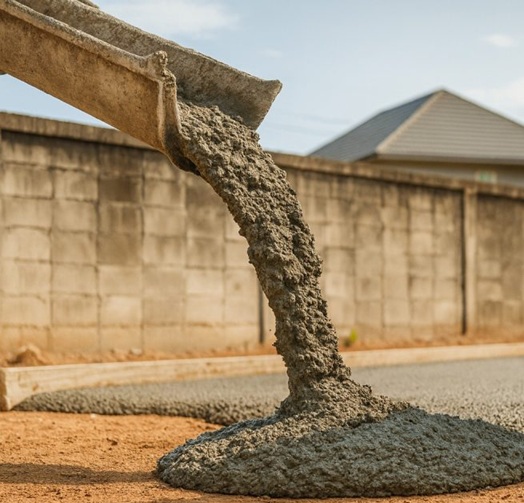
Concrete is undoubtedly one of the most used materials in the construction industry, and you can definitely see a property or area made of concrete by merely looking around your surroundings. Engineers, architects, or even ancient people did not choose concrete for nothing; it is truly a marvelous creation that our contractors and builders utilize well.
However, using concrete in our projects isn’t all rainbows and butterflies; there’s a catch: there are disadvantages you need to know about. Although choosing concrete as the primary material for your project is a good move, it is not without its drawbacks. The good thing is our experts understand its nature and have different solutions to mitigate concrete’s disadvantages. So, if you have doubts about concrete or are just curious about what to expect from it, this article can give you a concrete idea.
In Hawaiʻi, these challenges can become even more pronounced due to Oʻahu’s coastal moisture, salt-air exposure, volcanic soil conditions, and year-round UV intensity. That’s why experienced local contractors like Oahu Concrete Professionals focus heavily on proper mix design, reinforcement planning, drainage considerations, and curing techniques tailored to island conditions.
Initial Cost
Starting a concrete project is not cheap; that is why every project is called an investment. It involves high costs of raw materials such as cement, aggregates, and water. Also, special labor, machinery, and formwork increase project expenses. A 600-square-foot concrete driveway—for example—can cost $8,000-$26,000.
On Oʻahu, concrete pricing can vary depending on access limitations, material transportation, elevation changes, and labor demand. Hillside properties, tight urban lots in Honolulu, and coastal projects often require additional planning and equipment. Experienced companies help homeowners reduce long-term costs by designing concrete systems built to withstand Hawaiʻi’s humidity, rain exposure, and intense sun conditions.
However, seasoned contractors mitigate this concern by implementing strategies, such as using locally sourced materials to avoid the expense of shipping fees, optimizing the mix design to reduce cement content without compromising concrete strength, and recommending alternative binders such as fl y ash or slag, which are relatively helpful in the performance of the concrete. Also, they use prefabricated concrete elements to minimize on-site labor costs—when possible. This is especially valuable in Hawaiʻi, where shipping costs can signifi cantly impact construction pricing. A good contractor carefully evaluates material sourcing and mix performance to balance durability, appearance, and cost-efficiency for island environments.
Although concrete can be more expensive compared to other materials such as wood, compacted earth, or recycled materials, even a 5-year-old kid can understand why concrete is still better than those materials. Gravel, asphalt, and pavers are also good choices, but they are especially well-suited to specifi c projects.
Brittle Nature and Low Ductility
Yes, concrete is strong in compression but weak in tension. It means it does not bend or stretch signifi cantly. This limits its use in structures that require fl exibility, such as bridges or earthquake-prone buildings. That is why you can observe cracks in concrete that are near seismic zones. While Hawaiʻi is not known for large-scale earthquakes like California, Oʻahu properties still experience ground movement, moisture expansion, and shifting soil conditions that can contribute to cracking over time if the concrete is not properly reinforced and installed.
If you prioritize safety, this issue could be bugging your mind. However, they solve this problem by reinforcing concrete using steel bars or fi ber to enhance its tensile strength. Also, professional contractors incorporate additives such as polypropylene fi bers to improve concrete’s resistance to cracking. Another solution is to apply seismic retrofi tting techniques, such as base isolation and damping systems.
Heavy Weight
As mentioned, concrete is strong in compression, and this makes it denser than other construction materials like wood or steel. If concrete alone is already dense, it means a stronger foundation is required. Although it is not a major problem, since concrete contractors can easily handle heavy construction materials and meet all requirements, it is still concerning, especially for DIYers.
This becomes even more important on Oʻahu properties with retaining walls, sloped terrain, elevated foundations, or limited equipment access. Professional contractors understand how to properly prepare the subgrade and account for load distribution in island-specifi c terrain conditions.
To address this issue, concrete contractors suggest using lightweight concrete by incorporating lightweight aggregates such as expanded clay or pumice, which can signifi cantly reduce the concrete’s weight. They also employ hollow-core slabs to reduce overall weight and, if possible, consider alternative construction materials for non-load-bearing elements when heavy weight is a major issue.
Curing-Process
Concrete needs a curing process to reach its full strength, which can take up to 28 days. This process can be tedious and time-consuming for some, but neglecting it can increase the risk of cracks and surface defects. Another problem with the curing process is that extreme temperatures can slow it down.
Hawaiʻi’s tropical climate also creates its own curing challenges. Excessive sun exposure, wind, salt air, and sudden rain showers can all affect the curing process if concrete is not properly protected. Professionals use curing strategies tailored to Oʻahu’s climate to reduce premature cracking and surface defects.
On the other hand, concrete contractors can mitigate this by using new construction technologies, such as curing accelerators that accelerate the setting time. Also, steam curing or heated enclosures in cold weather conditions can help if the weather is an issue. If you really want to avoid the curing process, precast concrete is available and can also reduce on-site curing time.
Formwork Requirement
Although the cost issue has already been discussed, formwork can be costly, which is why it must be separated. As concrete needs formwork, especially for complex architectural designs, its materials, such as timber, steel, or plastic, require proper handling and maintenance before setting, which adds to the total cost.
On Oʻahu, custom residential builds, steep lots, and luxury outdoor living spaces often require highly specialized formwork planning. This is particularly common for concrete lanais, pool decks, retaining systems, and modern architectural designs throughout the island.
One of the best solutions that concrete contractors use is to use reusable or prefabricated formwork systems to lower costs. Another option is to use self-compacting concrete to reduce formwork pressure. Moreover, the contractor can implement slip-form or tunnel-form construction techniques or design structures with minimal formwork requirements to optimize the shape.
Final Verdict: Pour or Pass?
If you are asking whether it is worth using concrete for your project, the answer is an absolute yes! Despite all the disadvantages discussed, concrete is still and will always be the undisputed backbone of modern construction, and for good reason. Although there are fl aws and imperfections, every drawback can be engineered around with the right technique; all you need to do is work with experienced professionals who understand how concrete behaves in your local environment. For homeowners and property owners across the island, companies like Oahu Concrete Professionals help ensure concrete projects are built to handle Hawaiʻi’s climate, terrain, and long-term durability demands. For construction professionals, concrete isn’t just worth it—it’s irreplaceable.






