
India’s Mumbai-Ahmedabad bullet train project has reached a significant stage with the first-ever energisation of overhead equipment along the 50-km Surat-Bilimora section in Gujarat on November 20, 2026. The development marks the first supply of electrical power to any section of India’s first high-speed rail corridor and brings the project closer to the commencement of train operations.
The National High Speed Rail Corporation Limited (NHSRCL), which is implementing the project, had issued a public safety notice earlier in November, informing residents and people working near the elevated corridor that overhead electrical wires would be energised on or after November 20. The authority advised the public to treat the overhead equipment as live at all times and maintain a safe distance from the railway infrastructure.
The Surat-Bilimora section is equipped with an advanced 2 × 25 kV overhead traction system, which will supply electricity to trains operating on both the up and down lines. The system is designed to support high-speed train operations and ensure an adequate power supply across the corridor.
Electrical Infrastructure for the Mumbai-Ahmedabad Bullet Train
The 508-km Mumbai-Ahmedabad high-speed rail corridor will be supported by a dedicated electrical power distribution network. The project will have 14 traction substations that will draw electricity from the grid and supply power to the overhead traction system.
A centralised control centre will monitor the electrical network and manage power distribution across the corridor. The system will also support operational safety and ensure coordinated power management once high-speed train services begin.
The energisation of the Surat-Bilimora section represents an important step in testing and commissioning the electrical infrastructure required for high-speed rail operations. It also marks the transition of this section towards the next stages of system integration, testing and operational preparation.
The Surat-Bilimora stretch is expected to become the first operational section of the Mumbai-Ahmedabad bullet train corridor when commercial services commence in 2027.
Phased Rollout of Bullet Train Services
Railway Minister Ashwini Vaishnaw has previously indicated that India’s first bullet train services are expected to begin on August 15, 2027. The initial launch is planned as part of a phased commissioning strategy, with additional sections scheduled to become operational in stages.
Following the Surat-Bilimora section, the planned rollout includes the Vapi-Surat and Vapi-Ahmedabad stretches. The complete Mumbai-Ahmedabad corridor is targeted for commissioning by 2029.
The phased approach will allow different sections of the corridor and their associated railway systems to undergo testing and commissioning before being opened for commercial operations.
Japanese Shinkansen Technology and Indigenous Train Development
The Mumbai-Ahmedabad bullet train project is being developed using Japanese Shinkansen technology, with financial assistance from the Japan International Cooperation Agency (JICA). The high-speed rail corridor is designed for train operations at speeds of up to 320 kmph.
However, the initial section is expected to operate with an indigenous bullet train designed for an operating speed of 250 kmph. The introduction of indigenous trains is also part of India’s efforts to develop domestic capabilities in high-speed rail technology and manufacturing.
The corridor will connect Mumbai and Ahmedabad through several major urban and industrial centres across Maharashtra and Gujarat. Its development includes elevated railway infrastructure, bridges, tunnels, stations, traction substations and advanced signalling and communication systems.
Travel Time Between Mumbai and Ahmedabad
Once fully operational, the Mumbai-Ahmedabad bullet train service is expected to reduce travel time between the two cities to approximately two hours. This would represent a substantial reduction compared with the current conventional rail journey, which takes around seven hours.
The energisation of the Surat-Bilimora section marks the beginning of a new phase in the project’s electrical commissioning process. With further infrastructure and system testing planned across the corridor, the project is moving towards its phased operational targets in 2027 and full commissioning by 2029.
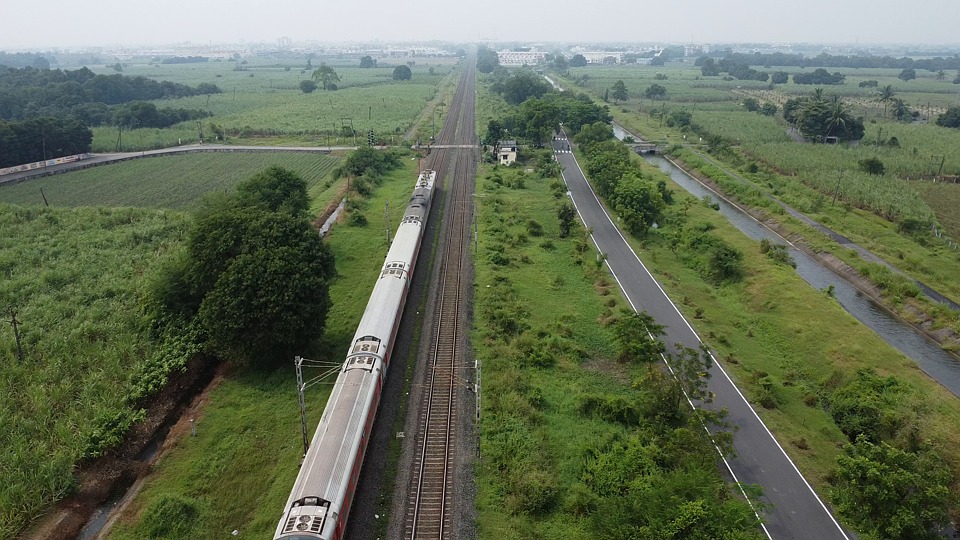
Image- pixabay.com






