
Plumbing systems have changed a great deal in recent years. New technology can help buildings use less water, lower energy use, and reduce the risk of leaks or costly damage.
Modern plumbing is no longer only about pipes and fixtures. Smart controls, efficient water heaters, sensors, and better materials can all improve how a building performs.
These upgrades can benefit both homes and commercial properties. When used correctly, they can make daily operation more reliable while helping owners manage water and energy more carefully.
Smart Water Meters Improve Usage Tracking
Smart water meters give property owners a clearer view of how much water a building uses. Instead of waiting for a monthly bill, users can often see water use much sooner.
This makes it easier to notice unusual changes. A sudden increase may point to a leaking pipe, running toilet, or damaged fixture.
Some systems can send alerts when water use rises above normal levels. These warnings may help building owners respond before a small leak causes major damage.
Detailed data can also help identify areas where water is being wasted. This can support better maintenance and long-term planning.
For larger buildings, smart meters can make it easier to compare use across different areas. Managers can then focus on places that need more attention.
Leak Detection Systems Prevent Water Waste
Hidden leaks can waste a large amount of water over time. They may also damage walls, floors, ceilings, and equipment before anyone notices them.
Modern leak detection systems use sensors to watch for unexpected moisture or unusual water flow. Some can even shut off the water automatically when a serious problem is found.
These systems are especially useful in buildings that are empty overnight or during weekends. A leak that starts when no one is present can otherwise continue for hours.
Early detection can reduce repair costs and limit property damage. It can also help prevent mold and other moisture-related problems.
For building owners, this technology adds another level of protection. It turns leak control from a manual task into a more active monitoring system.
Efficient Tools Reduce Energy Use
Water heating can account for a large part of a building’s energy use. Newer systems are designed to provide hot water with less waste.
Tankless, heat pump, and high-efficiency storage water heaters are common options. Each type works differently and may suit different buildings.
Property owners comparing water heaters in Downers Grove may want to look at energy use, hot water demand, system size, and maintenance needs before choosing a model.
The right water heater should match the number of users and the way hot water is used throughout the day. A system that is too small may struggle, while one that is too large may waste energy.
Good installation is also important. Even an efficient unit may perform poorly if it is not sized or installed correctly.
Tankless Systems Save Space
Tankless water heaters heat water only when it is needed. They do not keep a large tank of water hot all day.
This can reduce standby energy loss. It may also make them useful in buildings where space is limited.
Because there is no large storage tank, these systems can often be installed in smaller areas. This may free up room for storage or other building equipment.
However, tankless systems must be sized carefully. A unit needs enough capacity to handle the building’s normal hot water demand.
Maintenance is also important, especially in areas with hard water. Mineral buildup can reduce performance over time if the system is not serviced.
Low-Flow Fixtures Reduce Water Demand
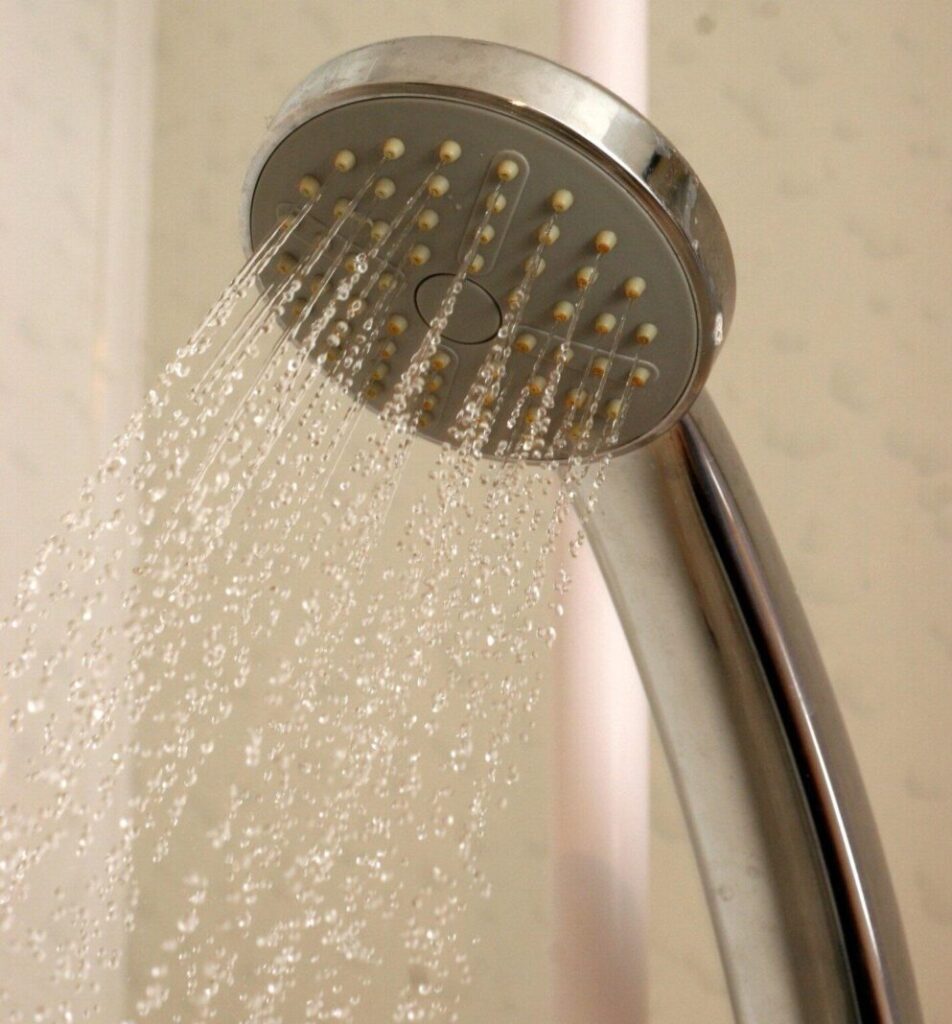
Low-flow faucets, toilets, and showerheads use less water than many older fixtures. They are designed to reduce waste without making normal use difficult.
Modern fixtures can still provide good pressure and comfort while using a smaller amount of water. This makes them useful in homes, offices, hotels, and other buildings.
Replacing old toilets can make a noticeable difference in overall water use. The same is true for faucets that run many times each day.
Lower water use may also reduce the amount of hot water needed. This can provide an added energy benefit.
For large buildings, even small savings per fixture can add up. A full building upgrade may reduce both water and utility costs over time.
Touchless Fixtures Improve Control
Touchless faucets use sensors to turn water on and off automatically. They are common in public restrooms but are also appearing in other building types.
These fixtures can reduce water waste because they stop flow when no hands or objects are detected. This helps prevent faucets from being left running.
They may also improve hygiene by reducing the need to touch handles. This can be useful in busy public or shared spaces.
Some systems allow building managers to adjust flow times and water temperature. These settings provide more control over daily use.
Like any sensor-based system, touchless fixtures need proper maintenance. Batteries, sensors, and valves should be checked if performance changes.
Greywater Systems Reuse Water
Greywater is water collected from certain sources such as showers, sinks, or washing machines. In some systems, it can be reused for non-drinking purposes.
For example, greywater may be used for landscape irrigation or toilet flushing where local rules allow it. This reduces the need for fresh water.
A greywater system must be designed carefully. Water from toilets or other unsafe sources should not be mixed into the system.
Local building and health rules may limit where greywater can be used. Professional design and installation are important.
When planned correctly, greywater reuse can lower total water demand. This can be helpful in areas where water conservation is a major goal.
Recirculation Systems Reduce Waiting Time
Hot water often needs time to travel from the heater to a distant faucet. During this wait, cold water may run down the drain.
Hot water recirculation systems reduce this delay by keeping hot water closer to fixtures. This can improve comfort and reduce wasted water.
Some systems run on a schedule, while others use sensors or buttons. Smart controls can reduce unnecessary pump use.
The system should be designed carefully to avoid wasting energy. Poorly managed recirculation can keep pipes hot longer than needed.
When used correctly, it can improve both convenience and water efficiency. This is especially helpful in larger buildings with long plumbing runs.
Better Pipe Materials Improve Durability
Modern plumbing systems use several types of pipe materials. Each has different strengths, costs, and uses.
PEX, copper, PVC, and other approved materials may be used depending on the part of the system. Newer products may offer easier installation or improved resistance to certain types of damage.
Flexible pipe can reduce the number of joints in some systems. Fewer joints may mean fewer places where leaks can develop.
Material choice should still match local codes and water conditions. A product that works well in one building may not suit another.
Durable pipe materials can reduce repair needs and improve long-term system reliability. Correct installation remains just as important as the material itself.
Smart Irrigation Reduces Outdoor Waste
Outdoor watering can use a large amount of water. Smart irrigation systems help control when and how much water is used.
These systems may use weather data, soil sensors, or programmed schedules. They can reduce watering when rain is expected or when the soil is already wet.
This prevents water from being used when plants do not need it. It may also reduce runoff around the property.
For commercial properties with large landscaped areas, smart irrigation can produce major savings. It also reduces the need for constant manual adjustment.
Regular system checks are still needed. Broken sprinkler heads or damaged lines can waste water even when smart controls are in place.
Building Management Systems Improve Oversight
Large buildings often use central systems to monitor several building functions. Plumbing data can now be included in these platforms.
Managers may track water use, pressure, temperature, and leak alerts from one location. This makes it easier to identify unusual conditions.
The system may also create reports that show patterns over time. These reports can support maintenance and budget planning.
Central monitoring is especially useful in hotels, hospitals, offices, and other complex properties. Problems can be found without checking every area by hand.
Better information can lead to faster decisions. This may reduce both water waste and emergency repair costs.
Digital Controls Improve Water Temperature
Modern plumbing systems can control water temperature more accurately. Digital mixing valves and smart controls can help maintain a steady level.
Stable temperature improves comfort and can reduce the chance of water being too hot. It may also help some systems use energy more efficiently.
Large buildings may benefit from central temperature controls. Managers can adjust settings without making changes at every fixture.
Regular testing is still important. Sensors and valves can wear out or fall out of adjustment.
Accurate temperature control supports both efficiency and safety. It also helps water heating systems operate in a more predictable way.
Prefabricated Plumbing Can Speed Construction
Some modern plumbing systems are partly assembled before they arrive at the building site. These sections can include pipes, valves, or support parts.
Prefabrication can reduce installation time. It may also lower the chance of mistakes caused by difficult working conditions on site.
Factory-built sections can be measured and tested before installation. This improves consistency across larger projects.
Faster installation may help reduce labor time and building delays. It can also make project scheduling easier.
Prefabricated systems are not right for every building. However, they can improve efficiency on projects with repeated layouts or large plumbing networks.
Predictive Maintenance Helps Prevent Failures
Traditional maintenance often happens after something breaks. New monitoring tools make it easier to find warning signs earlier.
Sensors may track pressure, temperature, flow, and equipment performance. Changes in these readings may show that a part is starting to fail.
This allows maintenance teams to inspect the system before a full breakdown occurs. Planned repairs are often easier to manage than emergency work.
Predictive maintenance can be especially useful in large commercial buildings. A major plumbing failure may interrupt business operations or damage valuable equipment.
Using data to plan service can reduce downtime. It can also help extend the life of plumbing parts.
Water-Efficient Design Starts Early
The best plumbing efficiency often begins during building design. Engineers and contractors can plan shorter pipe runs, better fixture locations, and more efficient water heating from the start.
This reduces the need for later changes. It can also improve how the entire system works together.
For example, placing hot water sources closer to high-use fixtures may reduce heat loss and waiting time. Proper pipe sizing can also improve pressure and water flow.
Drainage, irrigation, and water reuse can be planned at the same stage. This creates a more complete approach to conservation.
Early planning often costs less than changing a finished building. It also allows efficiency to become part of the building instead of an added feature.
Regular Maintenance Remains Important
New technology can improve plumbing efficiency, but it does not remove the need for maintenance. Sensors, valves, water heaters, and fixtures still need regular checks.
Filters may need cleaning, software may need updates, and mechanical parts can wear down. Ignoring these needs may reduce the benefits of the technology.
Building owners should keep maintenance records for major equipment. This makes it easier to track service and spot repeated problems.
Staff should also know how smart systems work. Alerts are only useful when someone understands how to respond.
Technology works best when it supports good maintenance habits. The strongest plumbing systems combine modern tools with regular care.
Conclusion: Build More Efficient Plumbing Systems
New plumbing technology can help buildings use water and energy more carefully. Smart meters, leak sensors, efficient water heaters, low-flow fixtures, and digital controls all support better system performance.
The greatest benefits come when these tools are chosen for the needs of the building. Good design, proper installation, and regular maintenance are still essential.
By combining modern technology with careful planning, property owners can reduce waste, improve reliability, and create plumbing systems that support efficient buildings for years.






