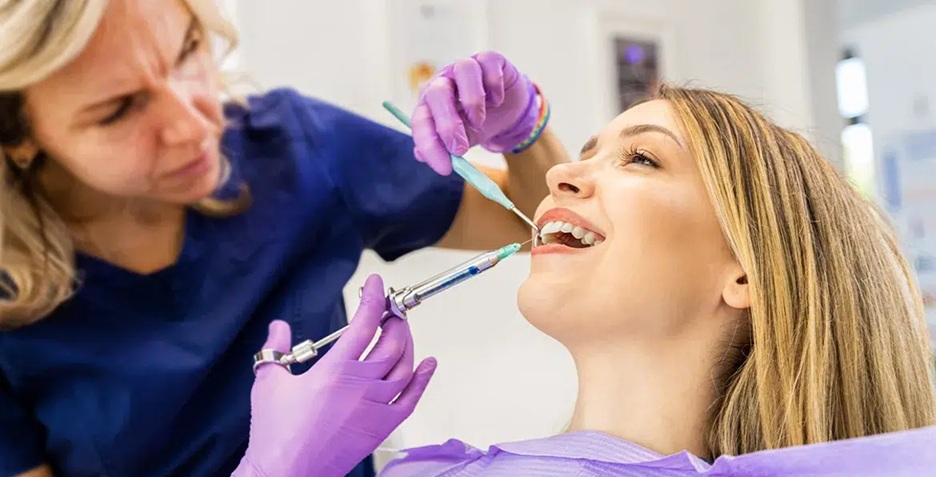
Botox has evolved significantly since it was first used only for cosmetic purposes. It now shows up in clinical environments that would have surprised most patients a decade ago, dental offices being one of them. That shift raises a reasonable question: does the setting actually change anything? Quite a bit, as it turns out. The environment shapes the provider’s priorities, the technique applied, and what a patient walks away with. Getting clear on those differences is one of the smarter things a patient can do before booking an appointment.
Dental professionals who offer Botox bring a specific clinical background to that work. Their training is grounded in facial anatomy, jaw mechanics, and oral function, and that shapes every decision they make around injections. Patients looking into botox in Las Vegas, NV would do well to understand whether a dental office or a cosmetic clinic is the better fit for their needs. The two settings share some common ground, but the differences are meaningful enough to pay attention to.
Clinical Focus and Treatment Goals
Dental Botox Targets Function
When dentists use Botox, they are almost always treating something rooted in oral or facial function. Typical applications include temporomandibular joint disorders, jaw clenching, bruxism-related muscle tension, and certain orthodontic concerns that benefit from reduced muscle activity.
The intent is therapeutic from the start. A dentist assessing a patient for masseter Botox is thinking about bite force, muscle behavior, and jaw alignment. How the face looks in the mirror is rarely the driving concern.
Cosmetic Clinics Prioritize Appearance
Cosmetic providers approach Botox from a different perspective. Their focus sits squarely on softening expression lines, adjusting brow position, and addressing areas like the forehead or the outer corners of the eyes.
These providers read the face for visual balance. Every injection decision accounts for how a change in one area will affect the way the whole face reads, which calls for a different kind of training and a different kind of eye.
Provider Training and Scope
Dental Professionals and Facial Anatomy
Dentists come out of school with a thorough grounding in orofacial anatomy. Many add focused certification in neurotoxin injection techniques on top of that. Their hands-on familiarity with the trigeminal nerve, the masticatory muscles, and the underlying bone structure gives them real precision in the lower and midface.
That said, this expertise does not always carry across the full cosmetic spectrum. Many dental providers keep their Botox work within the zones directly tied to oral function or facial pain.
Cosmetic Providers and Aesthetic Assessment
Cosmetic clinic providers are trained to look at the face differently. They evaluate aging patterns, volume shifts, skin quality, and how proportions relate to one another across the whole face. Most have spent many hours treating the upper face, an area dental providers rarely enter.
For patients wanting Botox for crow’s feet, forehead lines, or uneven brow placement, a cosmetic clinic is typically the more experienced option.
Consultation Approach
What to Expect at a Dental Office
Dental Botox consultations usually open with a review of oral health history and any symptoms the patient has noticed around jaw tension or discomfort. The provider looks at muscle size, bite patterns, and existing dental work before mapping out a treatment plan.
Care after the appointment often ties back into a broader dental strategy, whether that means pairing Botox with a night guard or making bite-related adjustments alongside it.
What to Expect at a Cosmetic Clinic
At a cosmetic clinic, the consultation revolves around what the patient wants to change about their appearance. The provider reviews facial movement, skin condition, and any prior treatments. Recommendations frequently include pairing Botox with fillers or other services to round out the result.
The discussion stays focused on what the outcome will look like and how often the patient will need to return to maintain it.
Regulation and Oversight
Both settings fall under medical oversight, though the specific rules differ from state to state. In most places, Botox must be administered or directly supervised by a licensed medical professional. Dentists who offer it are expected to hold credentials that go beyond their dental license.
Patients should feel comfortable asking about qualifications before any treatment. Asking about certification, training history, and how regularly a provider performs injections is a straightforward way to gauge their experience.
Conclusion
Where Botox is administered says a lot about the provider behind it. Dental offices bring a functional, anatomy-based approach that works well for patients managing jaw tension, bruxism, or related conditions. Cosmetic clinics offer a broader aesthetic range and more profound experience with appearance-driven outcomes. One is not categorically better than the other. The right choice depends on what the patient is actually trying to resolve, and getting that match right is what separates a good treatment experience from a great one.