The Haryana Real Estate Appellate Tribunal (HREAT) has directed DLF Homes Developers and the Haryana Department of Town and Country Planning (DTCP) to produce the approved and advertised drawings of a residential apartment in DLF Valley Gardens, Panchkula. The order forms part of an ongoing dispute in which a homebuyer has questioned the apartment’s carpet area and the method used to calculate its sale price.
The tribunal’s direction was issued during proceedings relating to an appeal filed by homebuyer Ranjit Malhotra. Besides seeking the approved project drawings, HREAT has also directed the respondents to submit the occupation certificate based on the sanctioned plans. The documents are to be presented before the tribunal in a sealed cover before the next hearing scheduled for August 27.
The dispute concerns DLF Valley Gardens, a luxury residential project spread across approximately 34 acres in Panchkula. The homebuyer has alleged that the developer included areas beyond the legally defined carpet area while determining the apartment’s price. Under the Real Estate (Regulation and Development) Act (RERA), carpet area refers to the net usable floor area of an apartment and excludes external walls, balconies, terraces and service shafts.
According to the appellant, the pricing calculation should have been based only on the carpet area prescribed under the Act. He has also argued that the Haryana Real Estate Regulatory Authority (HRERA), Panchkula, did not adequately address several issues raised in his original complaint.
DLF has denied the allegations and maintained that the apartment’s pricing was determined in accordance with the buyer agreement executed between the parties. The company has defended its methodology and disputed the claim that the sale price violated RERA provisions.
The appeal challenges an HRERA order dated April 23, 2024, which had directed DLF to comply with the terms of the buyer agreement. At that stage, the authority had observed that issues relating to possession could be examined when possession of the apartment was offered.
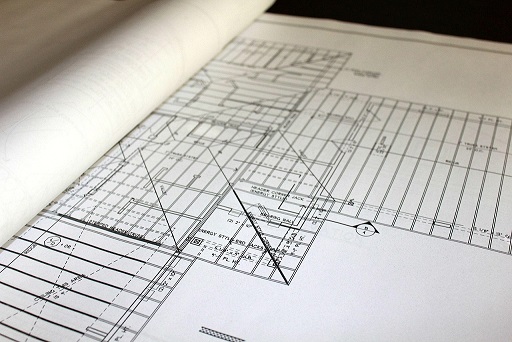
During the latest hearing before HREAT, the homebuyer submitted that the DWG AutoCAD drawings supplied by the developer were insufficient to verify the apartment’s measurements accurately. Taking note of these concerns, the tribunal sought the approved construction drawings, the layouts used in project advertisements, and the occupation certificate to examine whether the apartment was developed in accordance with sanctioned plans.
Counsel representing DLF and the DTCP informed the tribunal that the requested documents would be submitted before the next hearing. The tribunal stated that the direction was issued under its powers conferred by Section 44(6) of the Real Estate (Regulation and Development) Act.