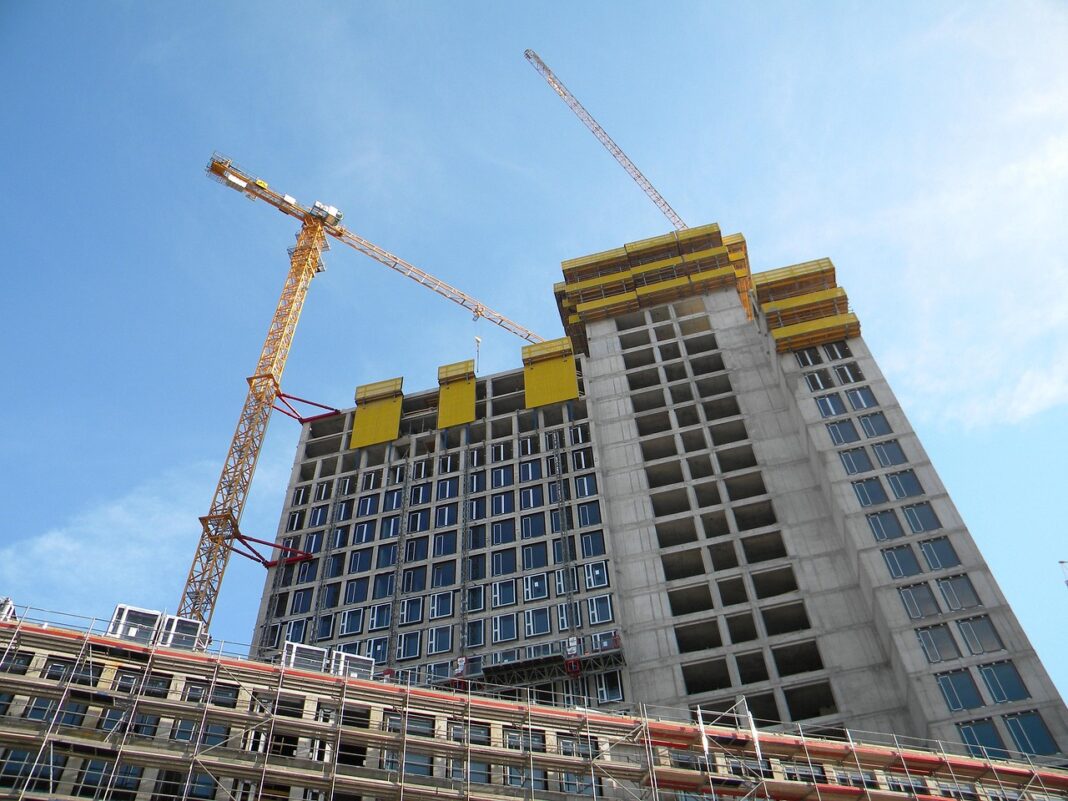
The Maharashtra Government has amended the Maharashtra Housing and Area Development (MHADA) Act, 1976, with the objective of accelerating the redevelopment of nearly 13,000 old and dilapidated buildings across Mumbai. The amendment is intended to remove long-standing legal and procedural hurdles that have delayed redevelopment projects for decades, while improving the safety and living conditions of thousands of residents.
Many of Mumbai’s cessed buildings are over 80 years old and fall under the jurisdiction of the Mumbai Building Repairs and Reconstruction Board (MBRRB), a division of MHADA. These ageing structures have deteriorated due to prolonged use, inadequate maintenance, and structural distress. Every year, particularly during the monsoon, several buildings suffer partial or complete collapse, posing significant risks to occupants and nearby communities.
Ahead of each monsoon season, MHADA conducts structural audits to identify unsafe buildings and issues evacuation notices wherever immediate danger is detected. Although transit accommodation is provided for affected residents, redevelopment often remains stalled due to disputes involving landlords, tenants, housing societies, or developers.
The recent amendment strengthens MHADA’s authority to intervene in such cases. It provides a clearer legal framework that enables the authority to facilitate redevelopment of cessed buildings where projects have remained delayed because of litigation or stakeholder disagreements. The amendment is also expected to strengthen MHADA’s position in ongoing legal proceedings related to redevelopment.
According to MHADA, Mumbai currently has more than 13,000 dilapidated buildings requiring redevelopment. Before the current monsoon, the authority identified 82 highly dangerous residential buildings in South and Central Mumbai that required immediate evacuation. Several of these structures had already been classified as dangerous in previous years, highlighting the urgency of timely redevelopment.
The amendment also supports the Maharashtra Government’s focus on cluster redevelopment. Under this approach, multiple adjoining buildings are redeveloped together as a single integrated project. Cluster redevelopment allows for better urban planning, wider roads, improved infrastructure, additional open spaces, modern amenities, and more efficient land utilisation while ensuring rehabilitation of existing residents.
MHADA is presently implementing several large-scale cluster redevelopment projects covering hundreds of acres across Mumbai. Eligible residents receive rehabilitation apartments, transit rent compensation, and other benefits during the redevelopment process.
The amendment is expected to reduce delays, improve project execution, and enhance public safety by enabling faster reconstruction of unsafe buildings. As Mumbai continues to address the challenges posed by ageing infrastructure, the revised legislation marks an important step towards safer housing, planned urban renewal, and improved quality of life for thousands of residents.