The Growing Importance of Plumbing Systems in Modern Construction
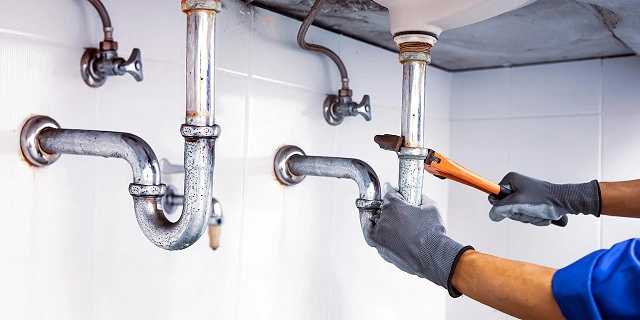
In modern construction and infrastructure development, plumbing systems play a critical role in ensuring buildings operate safely, efficiently, and sustainably. While structural frameworks and architectural aesthetics often receive the most attention, plumbing infrastructure is equally vital for the functionality of residential, commercial, and industrial properties.
For engineers, contractors, and project managers, plumbing planning begins long before pipes are installed. It requires careful coordination with architectural designs, structural layouts, and building codes. When done correctly, well-designed plumbing systems help prevent costly delays, structural damage, and long-term maintenance issues.
Recent construction trends emphasize integrated building systems where plumbing, electrical, and mechanical components are designed together. According to a report by Forbes on infrastructure modernization, https://www.forbes.com/sites/forbestechcouncil/2023/05/17/how-smart-infrastructure-is-changing-cities/, smart building technologies and efficient utility networks are becoming central to sustainable development.
Why Plumbing Planning Must Start During the Design Phase
Many construction issues arise when plumbing systems are treated as secondary considerations rather than core infrastructure elements. Early plumbing integration during the design phase ensures:
- Efficient pipe routing within structural elements
- Compliance with local building regulations
- Proper water pressure and drainage systems
- Reduced construction rework and cost overruns
In large infrastructure projects, plumbing coordination is typically managed through Building Information Modeling (BIM). BIM allows engineers and contractors to visualize pipe networks alongside structural and electrical systems, preventing clashes and improving project timelines.
For residential and small commercial construction projects, working with experienced service providers such as Military Plumbing Services ensures that installations follow industry standards and local code requirements while supporting long-term reliability.
Key Plumbing Components That Impact Building Performance
Modern plumbing systems involve more than simple water supply and drainage. They include multiple interconnected components that influence building performance and occupant safety.
Water Supply Systems
Water supply systems distribute potable water throughout a building. Key design considerations include:
- Pipe sizing and pressure balancing
- Material selection such as PEX, copper, or PVC
- Cross-connection prevention
- Water efficiency technologies
Properly designed water systems also help reduce energy consumption by minimizing pumping requirements and heat loss.
Drainage and Waste Systems
Drainage systems remove wastewater safely and prevent contamination within a structure. Engineers must design drainage systems that support gravity flow while maintaining proper venting.
Critical elements include:
- Vent stacks for air pressure balance
- Proper slope for drainage pipes
- Backflow prevention devices
- Access points for maintenance
A poorly designed drainage system can lead to persistent odors, slow drains, and even structural damage due to leaks.
Stormwater and Environmental Management
Stormwater management is increasingly important in urban construction projects. Infrastructure must manage rainwater runoff effectively to prevent flooding and environmental damage.
Cities worldwide are adopting green infrastructure solutions such as permeable pavements, rainwater harvesting systems, and underground drainage networks. The BBC has highlighted the importance of resilient urban infrastructure to manage climate-related weather patterns:
https://www.bbc.com/news/science-environment-58863041
Plumbing System Materials Used in Modern Construction
Material selection significantly affects the durability, efficiency, and safety of plumbing systems. Construction professionals typically choose materials based on cost, performance, and building type.
| Material | Common Use | Key Advantages |
| Copper | Water supply lines | Durable, corrosion resistant |
| PEX | Residential plumbing | Flexible, easy installation |
| PVC | Drainage systems | Lightweight, cost-effective |
| Cast Iron | Commercial drainage | Strong and sound-reducing |
Each material must comply with regional plumbing codes and building standards to ensure safety and regulatory approval.
Common Plumbing Challenges in Construction Projects
Construction professionals frequently encounter plumbing challenges that can disrupt project timelines. These issues often result from poor coordination or inadequate planning.
Some common challenges include:
- Conflicts between plumbing and structural elements
- Insufficient pipe clearances in tight building designs
- Incorrect slope in drainage systems
- Delayed inspections and permit approvals
To avoid these problems, construction teams must integrate plumbing design into the early project workflow and ensure clear communication between architects, engineers, and plumbing specialists.
The Role of Skilled Plumbing Contractors in Construction
Even with advanced design tools and building models, the quality of plumbing installation ultimately depends on experienced contractors. Skilled plumbing professionals ensure that systems are installed according to design specifications, local codes, and safety standards.
Experienced contractors provide expertise in areas such as:
- System layout and pipe routing
- Fixture installation and water efficiency solutions
- Leak detection and pressure testing
- Long-term system maintenance planning
In residential and commercial projects alike, working with knowledgeable plumbing teams ensures that infrastructure performs reliably throughout the building’s lifecycle.
The Future of Plumbing in Smart and Sustainable Buildings
As construction continues to evolve, plumbing systems are becoming smarter and more efficient. Smart water monitoring, leak detection sensors, and automated shut-off systems are increasingly integrated into modern buildings.
Emerging plumbing innovations include:
- Smart water meters and monitoring platforms
- Greywater recycling systems
- Touchless and sensor-based fixtures
- High-efficiency water heating technologies
These advancements not only improve operational efficiency but also support sustainability initiatives by reducing water waste and energy consumption.
For the construction industry, integrating these technologies into early project planning will be essential in meeting future environmental regulations and infrastructure demands.
Modern buildings rely on well-designed plumbing systems as a foundational component of safe, efficient infrastructure. When integrated early in the construction process and supported by experienced professionals, plumbing systems contribute significantly to the durability, sustainability, and overall performance of any built environment.