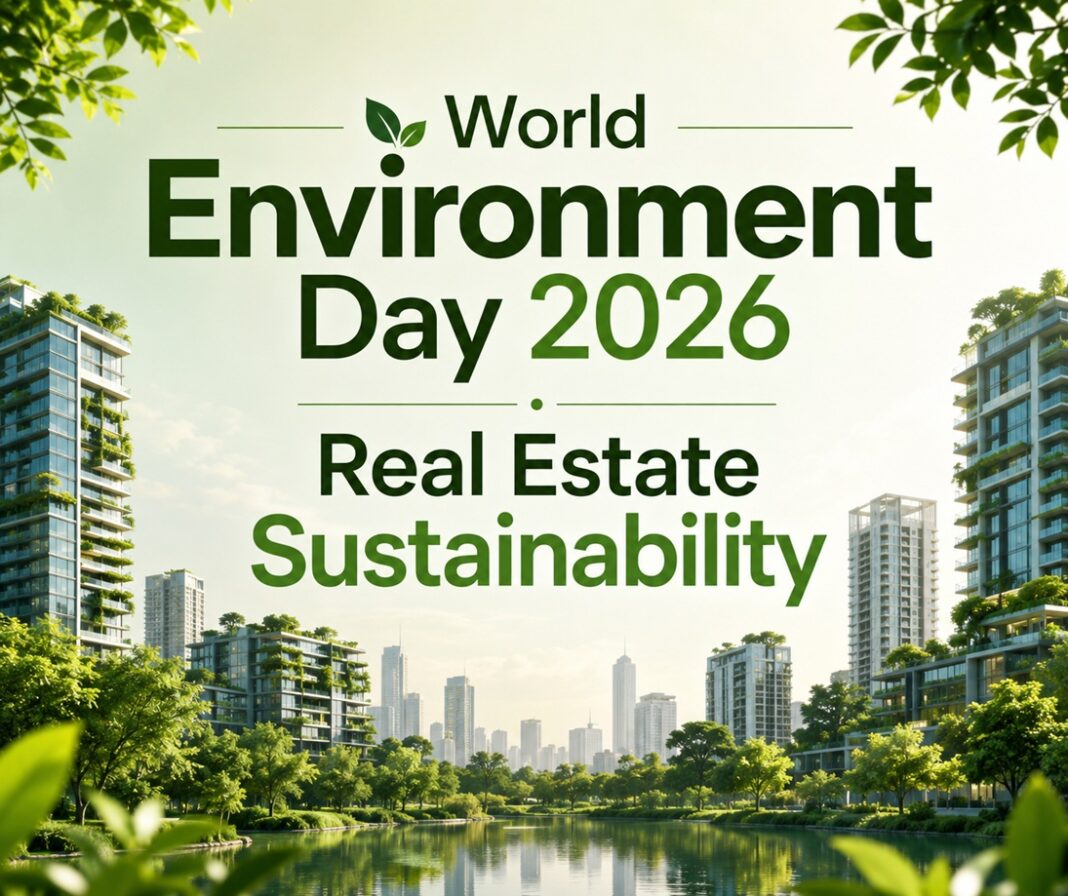
Sustainability in real estate development has moved from being an optional design consideration to a core requirement in modern urban planning. As cities continue to expand and environmental pressures increase, developers are expected to create buildings and communities that use resources efficiently while improving quality of life. This shift reflects a broader understanding that long-term urban growth must be balanced with environmental responsibility. Sustainable planning now focuses on integrating energy efficiency, water conservation, and climate-responsive design from the very beginning of a project.
The built environment plays a crucial role in shaping how people live, work, and interact with their surroundings. Developers are increasingly being encouraged to adopt practices that reduce environmental impact while enhancing livability. Features such as natural ventilation, daylight optimization, and green infrastructure are becoming standard expectations rather than premium additions. This evolution is also driven by rising awareness among homebuyers, who now seek healthier and more future-ready living spaces.
Ultimately, sustainability in real estate is about creating lasting value for both communities and the environment. It is no longer limited to individual green features but extends to entire ecosystems of responsible design, construction, and operation. The focus is shifting toward long-term resilience, ensuring that urban development supports both present needs and future generations.
Industry Experts Opinions
Mr. Aakash Patel, Director, Atul Projects
“The World Environment Day is a reminder that sustainability within the built environment goes beyond having green features. It starts with good planning and design. As the world continues to urbanize and environmental problems become more apparent, developers are tasked with creating spaces where residents can use fewer resources while enjoying a higher quality of life. Things like natural ventilation, maximizing natural light, and integrating features like rainwater tanks, energy-efficient utilities, water-saving plumbing fixtures are now expected to be included in a developer’s plans as well as the greater landscape. Sustainable development can reduce the environmental impact and reduce the cost of operating a community; at the same time, it helps create a more liveable and resilient urban community. The future of real estate is going to be defined by how we manage growth and the environment with a focus on both long-term sustainability.”
Mr. Parvinder Singh, CEO, Trident Realty
“The real estate sector is evolving and witnessing a significant shift towards more responsible and sustainable development. Today, sustainability goes far beyond incorporating green features into projects. It is about adopting a responsible approach at every stage from design and construction to long-term community living. Developers must create spaces that use resources efficiently and protect the environment. Green spaces, sustainable practices and infrastructure are no longer additions to a project; rather, they have become essential elements of development.”
Mr. Aman Sharma, Managing Director & Founder, Aarize Group
“The conversation around sustainability in real estate has evolved from compliance to conscious value creation. Today’s homebuyers are not just investing in a residence they are seeking healthier, more efficient, and future-ready communities that support long-term well-being. On World Environment Day, it is important to recognise that sustainability is no longer a differentiator, it is an expectation. From energy-efficient design and water conservation systems to expansive green spaces and climate-resilient infrastructure, environmental responsibility must be integrated into every stage of development. As developers, we have a responsibility to create spaces that enhance quality of life while minimising environmental impact. The decisions we make today will influence how future generations live, work, and interact with their surroundings. Building sustainably is not only about protecting the environment; it is about creating enduring value for communities and ensuring a better future for our cities.”
Mr. Ashish Agarwal, Director, AU Real Estate
“As India’s real estate sector continues to grow rapidly, this growth must be guided by responsibility and long-term vision. Sustainability has become central to modern development, with a clear focus on improving resource efficiency, reducing environmental impact and enhancing the quality of urban living. Sustainable design and construction practices are increasingly being adopted not only to meet environmental goals but also to create lasting value through efficiency and lower operating costs. As India advances its climate commitments, the focus must remain on balancing growth with environmental responsibility and long-term resilience.”
Mr. Dikshu C. Kukreja, Managing Principal, C.P. Kukreja Architects (CPKA), Architect, Urban Planner & Environmentalist.
“The environmental issue of our time isn’t just about conservation; it’s about how we redefine the link between human progress and the natural systems that support us. For way too long, development was all about what we could take, use, and build. Moving forward, though, it’ll be about crafting economies, cities, and structures that work inside ecological boundaries while making life better for people. Taking care of the environment isn’t some sideline issue; it’s central to having a responsible society. On World Environment Day, we’re reminded that resilience, prosperity, and sustainability go hand in hand, and the decisions we make now will decide the planet’s condition for future generations.”
Way Forward
Sustainability has become a defining factor in the future of real estate development, shaping how cities are planned, built, and experienced. It goes beyond environmental compliance to influence long-term value creation, operational efficiency, and quality of life for residents. As developers and stakeholders align with climate goals and evolving consumer expectations, the focus will remain on building resilient, resource-efficient, and livable communities that support both economic growth and environmental balance.