Building a modern structure involves far more than just the visible progress of steel and glass. Beneath the surface, developers must navigate a complex web of environmental mandates and logistical hurdles that can easily derail a timeline. One of the most critical, yet frequently ignored, aspects of a successful project is the management of fouled water.
Wastewater treatment solutions are a vital necessity for standard construction sites. When a management team fails to account for water quality, the project risks heavy fines, immediate shutdowns, and lasting ecological damage. Identifying the specific moments when a site requires an on-site treatment system is often what separates a project that finishes on time from one that collapses under legal and financial pressure.
Excavating Below the Water Table
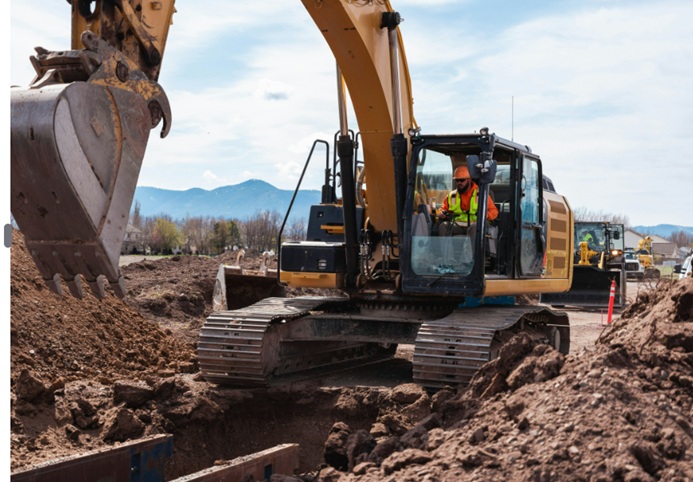
Deep foundation work often forces crews to dig well below the natural water table. As soon as an excavation pit reaches this depth, groundwater begins to seep into the work area, creating a muddy, unstable environment that halts progress. To continue working, contractors must implement dewatering strategies to pump this water out.
However, you can’t simply discharge this raw groundwater into a local storm drain or a nearby stream. Groundwater frequently carries high concentrations of suspended solids, silt, and clay that can choke local waterways and destroy aquatic habitats. In many urban areas, this water might also contain legacy contaminants from previous industrial use.
Utilizing an on-site water treatment system allows the crew to filter out sediments and neutralize chemical imbalances before the water leaves the site, ensuring the project remains compliant with local environmental permits.
Managing these complexities effectively requires specialized equipment and technical oversight. To ensure your site remains compliant and your dewatering process stays efficient, it is essential to work with reputable wastewater treatment solution providers like PR Water, who offer the technical expertise and robust systems needed to handle high-volume filtration and contaminant removal in challenging environments.
Managing Stormwater Runoff
A heavy rainstorm can transform a tidy construction site into a major source of pollution in a matter of minutes. When rain hits disturbed soil that lacks vegetation or pavement, it picks up massive amounts of grit, oil, and debris. This runoff flows downhill, picking up speed and volume until it threatens to overwhelm the surrounding infrastructure.
Simply relying on silt fences or straw bales is often insufficient for large-scale developments. In these cases, project managers must set up dedicated treatment trains that may incorporate dissolved air flotation units to efficiently separate suspended solids and oils from stormwater before it leaves the site. By proactively treating stormwater, a construction firm prevents the chocolate milk appearance of local rivers, which is a visual red flag that often triggers immediate inspections and hefty citations from environmental agencies.
Cleaning Equipment and Vehicles
Construction machinery is constantly in contact with mud, grease, and hydraulic fluids. To prevent the tracking of dirt onto public roads and to maintain the longevity of the equipment, sites often feature dedicated wash racks. The water used to spray down a fleet of excavators and dump trucks becomes a cocktail of hydrocarbons and heavy metals. Letting this wash water soak into the ground or run into a ditch is a direct violation of most environmental codes.
Establishing a closed-loop system for vehicle wash stations, a key practice in modern waste management, relies on chemical treatment to break down oils and strip out heavy metals. This allows the site to recycle the water, which saves on utility costs while simultaneously keeping solids under control. This practice keeps the surrounding neighborhood clean and demonstrates a commitment to professional site management.
Remediation of Brownfield Sites
Building on land that previously housed factories, gas stations, or dry cleaners presents a unique set of challenges. These brownfield sites often have soil and groundwater saturated with volatile organic compounds, heavy metals, or petroleum hydrocarbons. When construction begins, any water that enters the site or is pumped out of the ground must be treated as hazardous waste until proven otherwise.
Standard filtration isn’t enough in these scenarios; the project requires sophisticated wastewater treatment facilities equipped with technologies such as activated sludge systems for biological treatment of organic contaminants, alongside aerobic treatment processes that use oxygen to accelerate the breakdown of harmful compounds. Where conditions make oxygen introduction impractical, anaerobic treatment offers an alternative pathway for breaking down stubborn pollutants. In cases where dissolved contaminants remain after biological stages, reverse osmosis membranes can provide a final polishing step to ensure discharge water meets the strictest standards.
Because the legal liability for spreading contamination is so high, wastewater treatment plants serving these sites become a mandatory safeguard for both the developer and the community.
Working Near Protected Waterways
When a construction project sits adjacent to a sensitive lake, a protected wetland, or a coastal area, the margin for error disappears. Regulatory bodies often impose much stricter discharge limits for projects in these high-stakes zones, and regulatory compliance with those limits isn’t optional. A single exceedance can trigger stop-work orders and significant fines. Even a minor increase in turbidity or a slight shift in the pH level of the discharge can lead to an immediate halt.
In these situations, relying on luck or basic settling ponds is a gamble that rarely pays off. Advanced treatment facilities provide the precision needed to meet these stringent standards. Contractors can work confidently alongside delicate ecosystems without fear of causing an environmental catastrophe by monitoring the water quality in real-time and adjusting the treatment process accordingly.
Final Thoughts
Whether a crew is fighting a rising water table, restoring a contaminated industrial plot, or protecting a local stream from a sudden downpour, effective wastewater treatment solutions act as a necessary safeguard. Integrating these systems into the early stages of a build protects the developer’s budget, their professional standing, and the local natural resources. Ultimately, a clean and compliant site reflects the quality of the builder, proving that a commitment to responsible water management is an essential part of the construction process.