I recently walked through a newly built coastal home in Newcastle where the architect had treated the mudroom, laundry, and alfresco kitchen as afterthoughts. The result was wet shoes piled on engineered timber, a dryer venting into the ceiling cavity, and an outdoor BBQ positioned so smoke funnelled into the main bedroom.
Each problem was avoidable with a simple shift in thinking. Storage and outdoor cooking areas need to be treated as working zones, built for daily movement, Australian weather, and current code requirements.
When these spaces are planned around workflow first, the payoff is practical. You get fewer redraws, less site rework, and rooms that stay useful long after handover.
Key Takeaways
Good utility spaces work because layout, services, and materials are resolved in the right order.
- Task mapping beats ad hoc cabinetry. Sketch micro-tasks first, such as drop, rinse, store, prep, cook, and host, then arrange fixtures so each step is one movement away. This removes dead zones and wasted joinery spend.
- NCC 2022 energy targets now reach utility spaces. The Whole-of-Home rating checks fixed appliances against an annual energy budget, so your outdoor fridge, pool pump, and dryer choice all matter at compliance stage.
- Outdoor siting must respect shade, wind, and BAL. Bushfire Attack Level, or BAL, ratings guide material and clearance choices near flame sources, while orientation and cover shape heat, glare, and smoke behaviour.
- Services decide feasibility more than aesthetics. Safety-switch-protected power, licensed gasfitting under AS/NZS 5601.1, weather-sealed electrical enclosures, and WELS water-efficiency ratings must be resolved before a single cabinet is ordered.
- The engineered stone ban now shapes benchtop choices. From 1 July 2024 manufacture and supply were prohibited, and from 1 January 2025 engineered stone became a prohibited import. Porcelain and sintered stone are now the leading replacements for outdoor and utility surfaces.
What Modern Home Utility Spaces Actually Mean
Modern utility spaces earn their footprint by handling repeat tasks cleanly, safely, and efficiently.
A utility space is any zone designed around repeated daily tasks under Australian climate and compliance conditions. Entry mudrooms handle the drop-and-sort cycle. Laundries manage moisture and chemicals. Pantries control inventory. Outdoor kitchens combine prep, cooking, and hosting in a weather-exposed environment.
What unites them is throughput. People, gear, food, and waste move through these spaces constantly, so layout tolerances matter more here than in a living room. NCC 2022 lifts the minimum thermal performance for new homes to 7-star NatHERS, Australia’s home energy rating system, and adds a Whole-of-Home annual energy budget for fixed appliances. That means every rangehood, fridge, and dryer specified in a utility zone feeds into the compliance model.
A few terms are worth defining early. BAL measures bushfire risk from BAL-Low to BAL-FZ and guides material choices. WELS is Australia’s mandatory water-efficiency labelling scheme, rating regulated taps and appliances from zero to six stars. IP rating describes how well an electrical enclosure resists dust and water, which matters for every outdoor GPO and light fitting.
Workflow Mapping Before Drawings
Map the sequence of tasks before you size cabinets or order fixtures.
Before you open CAD, list every micro-task the space must support. A coastal family’s afternoon pattern might run like this: return from the beach, rinse feet at the external tap, drop bags on the bench, slot shoes into the rack, hang towels, then shower. A weeknight cooking pattern might run: pick herbs, prep at the bench, cook at the grill, plate, serve, wash at the sink, and sort waste.
A simple A3 adjacency diagram works well, with circles for tasks, lines for movement, and distances in millimetres. The output becomes the joinery schedule, the general power outlet, or GPO, setout, and the plumbing rough-in drawing. NCC 2022 introduced mandatory liveable housing requirements based on the Livable Housing Australia Silver standard, including wider circulation paths. Build at least 1000 mm of clear passage into the diagram from the start and you avoid expensive reframing later. A roll of masking tape on the slab can test those clearances before framing begins.
Storage Blueprint: Principles That Scale
Storage works better when every item stays visible, ventilated, and easy to reach.
Visibility beats volume. A deep cupboard where items disappear behind each other wastes more time than a shallow drawer where everything is visible at a glance. Full-extension runners, pull-out hampers, and open pantry shelving all follow this rule.
Ventilate anything that gets wet. Leave 20 to 30 mm breathing gaps behind wet-area doors, use mesh-backed panels on shoe cubbies, and ensure dryer exhaust routes outside. Allocate a quarantine bin near the entry for sandy or damp items so moisture never migrates into finished storage. Toe-kick drawers under bench seats capture soft goods without consuming wall space.
Group storage by dirt level and frequency of use. Put everyday shoes, school bags, and pet leads between knee and shoulder height. Reserve high shelves for backup linens, seasonal gear, or pantry stock that turns over slowly.
Entry Shoe Storage That Holds Up Under Daily Use
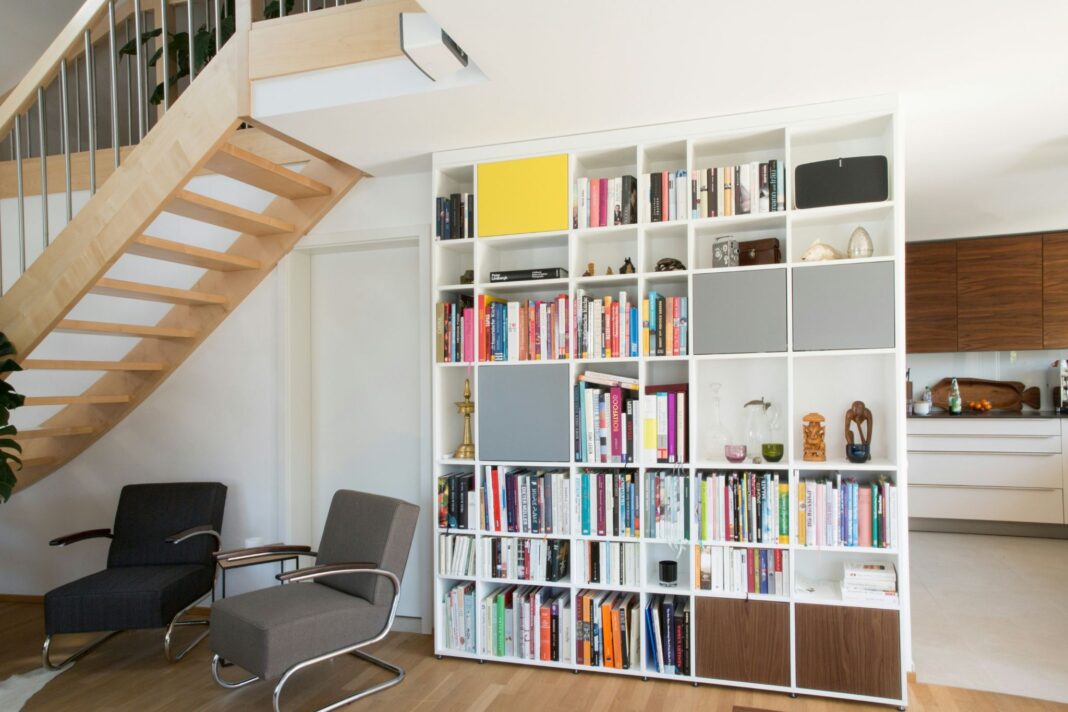
Entry shoe storage should clear the floor, dry quickly, and protect hallway width. In practical terms, the rack needs to manage wet pairs, keep circulation clear for bags and bodies, suit the bench height, and match nearby joinery, which is why many homeowners compare sizes, finishes, and shelf spacing before choosing a stylish shoe stand for your home for a fit-out that needs to do more than look neat.
A narrow-depth rack beside the entry bench is one of the simplest upgrades with daily payoff. When pairs are visible at a glance, the morning rush loses a common point of friction and floors dry faster because shoes sit on open rails instead of piling on timber.
In coastal and subtropical climates, ventilation matters even more. Look for slatted tiers that let air move around wet soles. Stainless steel or powder-coated frames resist salt corrosion in beachside suburbs, while timber-look finishes suit warmer interiors. Measure depth against hallway clearance. The most useful racks sit between 280 mm and 350 mm deep, which helps keep passage widths above the 1000 mm accessibility benchmark. Match the finish and height to nearby joinery so the rack reads as part of the cabinetry run, not as an afterthought.

Services First: Electrical, Water, and Ventilation
If power, water, and ventilation are wrong, the nicest cabinet layout will still fail.
Resolve power, water, gas, and ventilation paths before you specify a single cabinet module. Outdoor electrical equipment must be weather protected, IP-rated for the environment, and RCD-protected under AS/NZS 3000. A practical baseline is IP56 for any GPO under a roofed alfresco and IP66 for fully exposed locations.
Gas cooking releases nitrogen dioxide and carbon monoxide, so exhaust is not optional. In NSW, gasfitting requires a licensed gasfitter under the Gas and Electricity Consumer Safety Act, and other states apply similar licensing rules. AS/NZS 5601.1 governs gas installations, and manufacturer clearances must be followed to the millimetre. For water, specify WELS-rated tapware on every outdoor and laundry sink. Outdoor use can account for about 40 percent of household water demand, so efficient fixtures make a real difference.
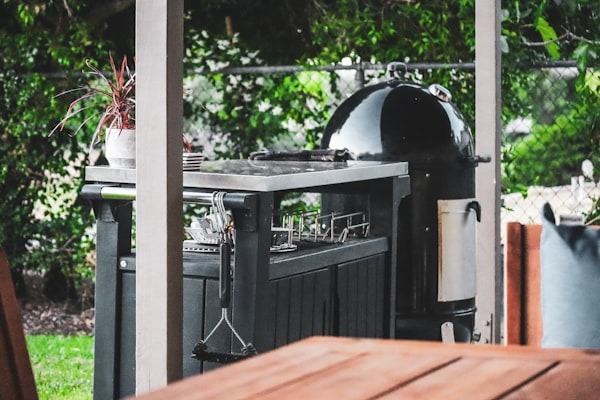
Outdoor Kitchen Siting, Layout, and Materials
Outdoor kitchens last longer when siting and materials respond to sun, wind, moisture, and fire risk.
Place cooking where sun and breeze work for you. For most of Australia, north is the preferred glazing orientation, and covered outdoor living areas can shade and cool incoming air. A north-east bias suits alfresco kitchens because it captures morning sun while fixed eaves or adjustable screens block harsh western light later in the day. Site the grill downwind of seating and away from bedroom windows to keep smoke under control.
Separate the hot, wet, cold, and prep zones. A 900 to 1200 mm prep run beside the grill, with landing space on both sides, keeps workflow tight. Rubbish and recycling bins belong under the bench at the prep end. Lighting should layer task, ambient, and step illumination on separate circuits.
Material choice decides longevity. With the engineered stone ban now fully in effect, porcelain and sintered-stone slabs dominate outdoor benchtop specification because both resist UV fade, heat, and staining. Use 316-grade stainless steel for hardware and sinks within five kilometres of the coast. Powder-coated aluminium or compact laminate carcasses outperform MDF in exposed settings. Slip resistance on alfresco paving is classified under AS 4586, with wet surfaces commonly targeting P4 to P5 depending on use. Specify baffle-filter rangehoods rated for outdoor use and keep duct runs short and straight so extraction stays effective.
Compliance Snapshot
A short compliance checklist prevents expensive fixes at inspection stage.
- Gas: Licensed gasfitter required. Installation per AS/NZS 5601.1. Compliance certificate on completion.
- Electrical: RCD-protected circuits and IP-rated enclosures per AS/NZS 3000. Pool pumps can be among the largest electricity users in a home, so factor them into Whole-of-Home energy calculations.
- Water: WELS-registered tapware and appliances. Sinks connected to sewer, not greywater.
- Slip Resistance: Alfresco paving tested to AS 4586. Specify the P-rating on drawings.
- Bushfire: Confirm BAL rating. Non-combustible materials are required near flame sources in BAL-29 and above zones.
- Accessibility: Minimum 1000 mm passage widths under NCC 2022 liveable housing requirements.
Budgeting, Procurement, and Commissioning
Spend early on structure and services, then value-engineer the finishes around them.
Lock the services envelope and structural cover first, then value-engineer benchtops and door fronts. Modular cabinet systems help control cost because they reduce custom fabrication. Invest in quality hinges and drawer runners. These parts handle tens of thousands of cycles, and their failure is the warranty call that appears most.
Stage work in a logical sequence: cover or pergola, services rough-in, cabinets and benches, appliances, then paving. Issue a tight tender package that includes a joinery schedule with carcass material, edge specification, and finish, plus an appliance list with outdoor ratings, a services diagram, and tolerance callouts for benchtop fabricators. Comparable scopes produce comparable quotes.
Check lead times before locking finishes. Outdoor-rated fridges, sinks, and powder-coated modules can take longer than standard indoor equivalents, and one late appliance can hold up stone templating, electrical fit-off, and final certification. At commissioning, test everything that moves, drains, or extracts. Run appliance burn-in cycles, verify rangehood capture with smoke, leak-check water connections, trip-test every RCD, and collect the gas compliance certificate. Seal grout and stone seams, then issue a stainless-steel maintenance plan, especially in coastal zones where tea-staining, the light brown surface marking seen on neglected stainless steel, can appear within months.
Sourcing Outdoor Kitchen Modules Without Guesswork
Good suppliers shorten lead times and reduce site errors, which is why it pays to compare local outdoor kitchen options only after the specification is clear.
Once services, BAL rating, shade design, cabinet modules, benchtop spans, appliance packages, lead times, finish options, service penetrations, weatherproof ratings, and warranty expectations are confirmed, you can benchmark local options on a like-for-like basis instead of reacting to showroom styling. That is the point where it really makes sense to find outdoor kitchen suppliers in Australia before tendering, because the schedule is finally clear enough for a fair comparison.
Once the design is locked and services are confirmed, start sourcing cabinetry, appliances, and benchtop modules from firms that understand Australian conditions. Local manufacturers usually offer faster lead times, BAL-appropriate material options, and warranty support that offshore suppliers may not match. Modular systems are especially useful for controlling cost and timeline because components arrive site-ready with service penetrations already planned.
When the services layout, BAL rating, and shade strategy are fixed, compare modules against your schedule rather than against showroom styling. Benchmark cabinet widths, benchtop spans, and appliance packages before you issue a tender. Early comparison helps expose specification gaps before they turn into site delays.
Mini Case Walkthrough: Coastal Townhouse
Tight sites perform well when every material and movement path is chosen with climate in mind.
A recent three-storey townhouse project in Wollongong shows how these principles come together under real constraints. Salt air and a narrow 4.2-metre floor plate drove every decision. The entry received compact laminate wall lining to 1200 mm, a slatted timber bench, and a slim open shoe rack with 316-grade stainless fasteners. A mesh-backed quarantine bin catches wet swim gear before it reaches the laundry one floor up.
The rooftop alfresco used porcelain slab benchtops, powder-coated aluminium carcasses, and a wind-screened BBQ bay oriented north-east. WELS five-star tapware on the outdoor sink reduced water demand, and a hose bib with a floor waste at the rooftop threshold made washdown easier after storms. Wall-hung garage storage kept tools and sports gear off the slab, and a sealed chemical cabinet met AS requirements. Total rework on that project was zero site variations against the original services drawing.
FAQ
These quick answers cover five specification questions that commonly stall decisions.
Is Porcelain or Natural Granite Better for Outdoor Benchtops?
Porcelain and sintered stone outperform natural granite outdoors because they resist UV fade, heat marking, and staining without annual sealing. Granite still works, but it needs more maintenance in exposed settings and adds more weight, which affects structural support on elevated decks.
Must Outdoor Fridges Be Specifically Outdoor-Rated?
Yes. Outdoor-rated fridges use corrosion-resistant cabinets, wider operating temperature ranges, and weatherproof seals. A standard indoor fridge placed under an alfresco roof is likely to fail within one or two seasons because of humidity and temperature swings.
What Does BAL Mean for Outdoor Kitchen Cabinetry?
BAL determines the radiant heat and ember exposure your structure must withstand. At BAL-29 and above, non-combustible cladding is required near flame sources. That usually rules out timber-look melamine and standard MDF, pushing the specification toward aluminium, stainless steel, or compact laminate carcasses.
Can I Use a Gas Cooktop Outdoors Without Special Licensing?
No. Gas installations require a licensed gasfitter in every Australian state and territory. The work must comply with AS/NZS 5601.1, and a compliance certificate must be issued on completion. DIY gas connections are illegal and uninsurable.
How Do I Align WELS-Rated Tapware With a Modern Design Aesthetic?
Most leading tapware brands now offer four- to six-star WELS-rated mixers in contemporary finishes including matte black, brushed nickel, and gunmetal. Specify the WELS rating on the fixture schedule, then select from current architectural ranges. Compliance and clean design no longer sit in conflict.