
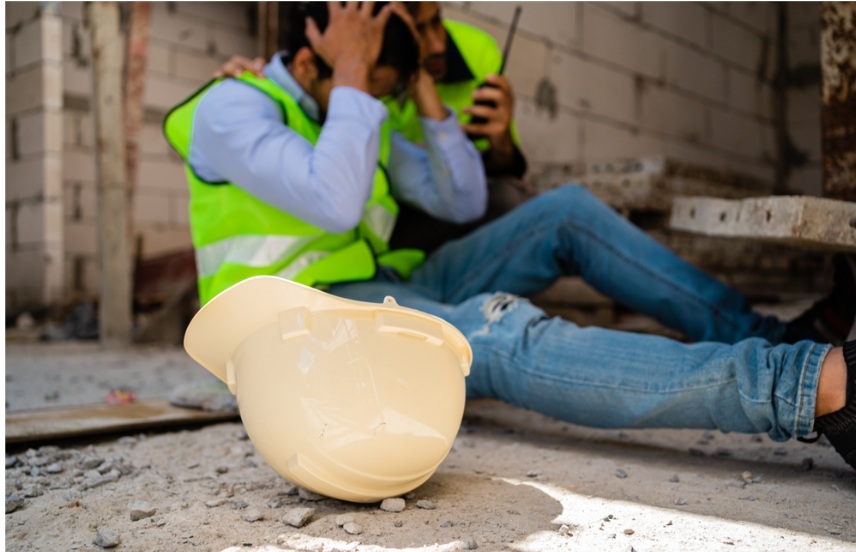
A construction project can involve dozens of people, yet no single person controls every safety decision. One crew installs wiring, another moves materials, and a supervisor checks whether work stays on schedule. If someone gets hurt, the first explanation may blame the worker closest to the accident. But the real cause could involve a decision made days earlier by someone else.
Finding fault means looking beyond the mistake. Poor planning, missing safeguards, defective tools, and unclear instructions can all play a part. A construction site injury lawyer can help carefully examine who had the duty to prevent the danger and whether that duty was ignored. The answer matters because different parties may have different legal responsibilities after an injury.
Who May Be Responsible for a Construction Site Injury?
Construction Companies and Employers
Employers are generally expected to provide appropriate training, protective equipment, and reasonable safety measures. For example, a company that sends an untrained employee to operate heavy machinery may create a preventable risk. A supervisor who knows a guardrail is missing but allows work to continue may also contribute to unsafe conditions.
However, an employer’s safety duties do not automatically mean an injured employee can sue that employer. Workers’ compensation rules often affect which claims are available.
General Contractors and Subcontractors
Several companies may share a worksite without sharing the same responsibilities. A general contractor might coordinate the project, while subcontractors handle roofing, electrical work, or concrete pouring.
Consider an electrician injured after another crew leaves materials across a walkway. Investigators would need to determine who created the obstruction, who controlled that area, and whether anyone had been warned. A contractor’s job title alone does not establish fault. Its actual role and conduct matter.
Property Owners
Owning the land does not necessarily make someone responsible for every accident on it. The owner’s involvement, knowledge of hazards, and control over the property can affect liability.
For instance, an owner who knows about an unsafe access route but fails to address or disclose it may face questions about responsibility. On the other hand, if a contractor independently controls a task, the owner’s legal duties may be more limited. The precise rules vary by jurisdiction.
Equipment Manufacturers and Suppliers
Sometimes the problem begins before a machine reaches the site. A tool may have a defective part, an inadequate warning, or a design that creates an unreasonable danger.
Suppose a properly maintained lift fails during ordinary use. Inspectors may examine its design, manufacturing records, maintenance history, and operating instructions. A product defect might support a claim against a manufacturer or another responsible business. But ordinary wear, poor maintenance, or incorrect use could point toward a different cause.
Other Workers and Outside Parties
Not everyone on a construction site works for the same company. Delivery drivers, independent vendors, and visiting service crews may introduce hazards that affect others.
A delivery vehicle entering a work area without following site directions, for example, could cause an injury. The investigation should consider the driver’s choices, traffic arrangements, and supervision. Responsibility may be shared if several failures contributed to the event.
How Do Investigators Work Out Who Was at Fault?
A fair assessment starts with facts, not assumptions. The most useful evidence often shows both what happened and who had the power to prevent it.
- Scene evidence: Photos, video, equipment condition, and the position of nearby materials can help explain the hazard.
- Witness accounts: Coworkers may describe earlier complaints, directions from supervisors, or changes to the work area.
- Records: Training logs, inspection reports, maintenance records, and work schedules may reveal ignored problems.
- Control and safety duties: Investigators consider who managed the task and whether relevant rules were followed.
Evidence should be preserved as soon as safely possible. Reports made soon after an accident may capture details that become harder to confirm later. More than one party can share fault, and local law determines how that affects a claim.
What Legal Options Might an Injured Worker Have?
Workers’ compensation may cover eligible medical expenses and part of lost wages without requiring proof that an employer was negligent. The available benefits and procedures depend on applicable law.
A separate personal injury case may be possible if a negligent third party, such as an outside contractor or equipment manufacturer, contributed to the injury. These claims usually require evidence of legal responsibility and causation.
A construction site injury lawyer can review employment relationships, contracts, and accident records to identify possible paths forward. Reporting the injury promptly, obtaining medical care, and keeping copies of documents can also protect important information. Deadlines may apply to both types of claims.
Getting Answers Starts With Looking Beyond the Obvious
Construction accidents rarely tell the full story at first glance. The person nearest the hazard is not always the person legally responsible for creating or ignoring it. Careful investigation can reveal overlooked warnings, divided responsibilities, or a defective product.
If you were injured, avoid assuming that blame has already been settled. Keep records, ask for copies of reports, and seek qualified legal advice about your options. Taking those steps can help you make informed decisions based on evidence rather than guesswork.






