
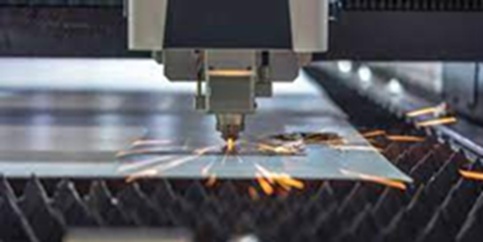
In the world of modern construction and metalwork, precision and efficiency are crucial. That’s why more professionals are choosing advanced tools like the Dowell steel laser cutting machine to meet growing demands for accuracy, speed, and adaptability. With construction timelines tightening and design complexity increasing, smart fabrication methods are stepping in to deliver consistent results and reduce waste—laser cutting being one of the most trusted among them.
The Rise of Precision Fabrication
Steel is the backbone of infrastructure. From bridges and commercial buildings to intricate architectural elements, it’s used in nearly every type of structure. But as designs evolve and engineering standards rise, cutting steel isn’t just about brute force—it’s about finesse.
That’s where laser cutting comes in. Compared to traditional techniques like oxy-fuel, plasma, or mechanical sawing, laser cutting offers unmatched precision. A high-powered beam, guided by digital software, allows for exact cuts down to fractions of a millimeter. This level of detail is particularly important in structural steel applications, where components must fit together seamlessly for both safety and aesthetics.
When using a Dowell steel laser cutting machine, the advantage lies in its ability to produce these precise cuts at high speed, often with little or no finishing required afterward.
Why Accuracy Matters in Modern Construction
In today’s building environment, even a minor misalignment can cause delays, cost overruns, or compromise structural safety. Steel components, once cut, are often delivered directly to a site for immediate assembly. If measurements are off, the entire process halts—leading to downtime and additional labor.
Laser cutting’s digital integration reduces human error by relying on computer-aided design (CAD) systems that feed directly into the machine. This means what’s drawn on the screen is exactly what gets cut. For builders and fabricators, this precision reduces rework, minimizes material waste, and ensures the final product matches engineering specifications.
Speed and Consistency
One of the key reasons professionals lean toward laser technology is speed. A laser cutting machine works quickly without sacrificing detail, which is vital for projects operating under strict timelines. Large steel sheets can be processed in minutes, and because the technology is programmable, identical parts can be reproduced with 100% accuracy.
This level of consistency is particularly useful for modular construction, where prefabricated steel components are manufactured off-site. Consistent quality ensures those modules come together as planned, reducing the need for adjustments during installation.
Design Flexibility
Beyond speed and accuracy, laser cutting offers another valuable asset: freedom of design. Steel is not just a structural material—it’s also used for decorative and functional elements. Facades, railings, supports, signage, and architectural accents often involve complex shapes and detailed patterns.
Using traditional tools to create these elements would be time-consuming and often imprecise. A Dowell steel laser cutting machine, however, handles complex geometries with ease. This gives architects and engineers more room to experiment creatively without compromising manufacturability.
Laser cutters can also work with various steel thicknesses, making it possible to complete all parts of a job—from intricate sheets to load-bearing beams—using the same equipment.
Cleaner Cuts, Less Waste
Efficiency isn’t just about speed—it’s also about how well a material is used. Laser cutting is known for its narrow kerf (the width of material removed during cutting), which means less steel is wasted during each cut. This is an important factor, both from an environmental and financial standpoint.
Moreover, laser cutting typically doesn’t require additional finishing. Unlike traditional methods that leave behind burrs or rough edges, the laser delivers a smooth, clean cut. That means fewer man-hours spent on grinding or sanding, and a quicker move from fabrication to assembly.
Less waste, less labor, and higher accuracy lead to cost savings that benefit both builders and clients.
Safer and Smarter Workflows
Workplace safety is always a priority in fabrication environments. Traditional cutting methods can be hazardous—sparks, fumes, heavy equipment, and physical strain all increase the risk of injury. Laser cutting machines, particularly automated or semi-automated systems, reduce the need for manual handling.
These machines often operate in enclosed systems with exhaust filtration and safety interlocks, keeping workers safer from heat, fumes, and moving parts. This safety advantage also makes laser cutting an appealing option in facilities focused on maintaining strict safety protocols and reducing on-site injuries.
Automation also means fewer operators are needed for complex jobs, which can help address the growing labor shortage in manufacturing and skilled trades.
Supporting Sustainability in Steel Use
Sustainability in construction isn’t a trend—it’s becoming a requirement. Builders are under increasing pressure to reduce their environmental impact, and fabrication practices play a big role in that.
Laser cutting is inherently more sustainable than older methods. By optimizing material usage, reducing energy consumption, and cutting down on waste, it aligns with green building principles. Additionally, many laser cutting systems now integrate energy-efficient technologies and intelligent sensors that further reduce resource use without compromising performance.
Steel itself is a highly recyclable material, and when it’s processed efficiently, its environmental footprint becomes even smaller.
The Bottom Line
The decision to use advanced laser cutting in steel fabrication isn’t just about keeping up with technology—it’s about working smarter. Whether building bridges, manufacturing equipment, or designing modern structures, builders need solutions that combine speed, accuracy, safety, and sustainability.
A Dowell steel laser cutting machine meets all these demands. It allows builders to execute complex designs, reduce waste, and deliver projects on time with minimal rework. In a fast-paced industry where every detail matters, that kind of reliability is not just helpful—it’s essential.
As construction standards continue to rise and demands grow, smart steel fabrication powered by laser cutting is no longer optional. It’s the new standard.






