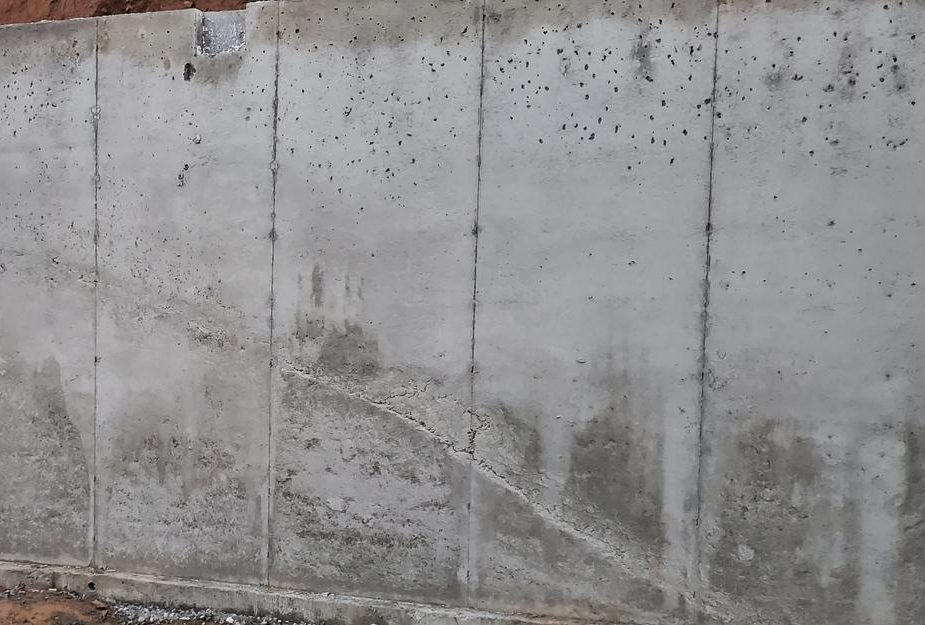
Concrete is one of the most widely used construction materials in the world due to its strength, durability, and versatility. However, its performance largely depends on proper placement and curing practices. One common issue that affects concrete structures is the formation of a cold joint. If not handled correctly, cold joints can weaken the structure, affect durability, and lead to long-term maintenance problems.
What Is a Cold Joint in Concrete?
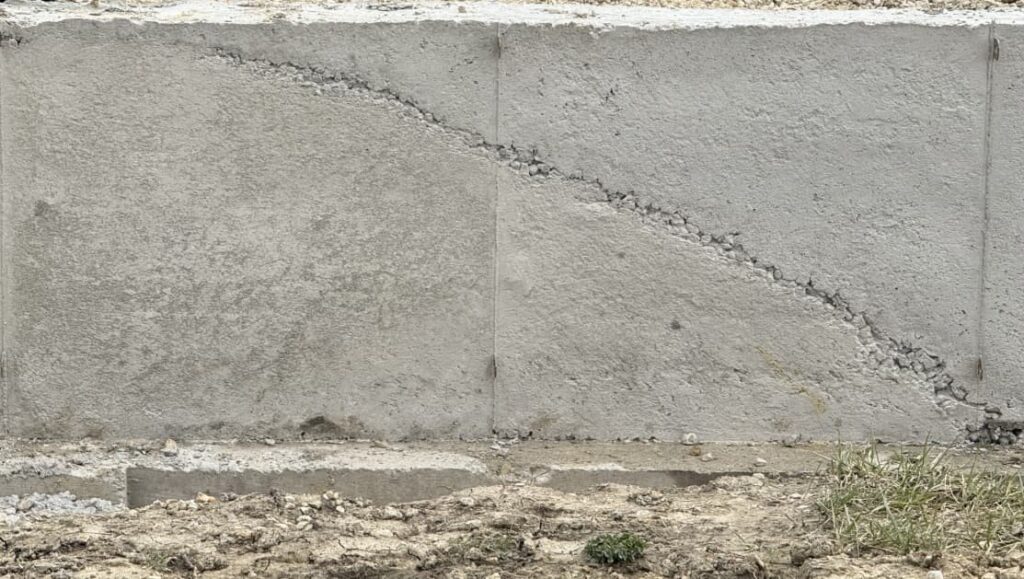
A cold joint is a visible or structural separation that occurs when fresh concrete is poured against previously placed concrete that has already begun to set. Instead of forming a monolithic (single, unified) structure, the two layers fail to bond properly.
Concrete gains strength through a chemical reaction called hydration. If the second batch of concrete is poured after the initial layer has lost its plasticity (workability), the chemical bond between the two layers becomes weak. This creates a joint that may look like a line or seam across the surface.
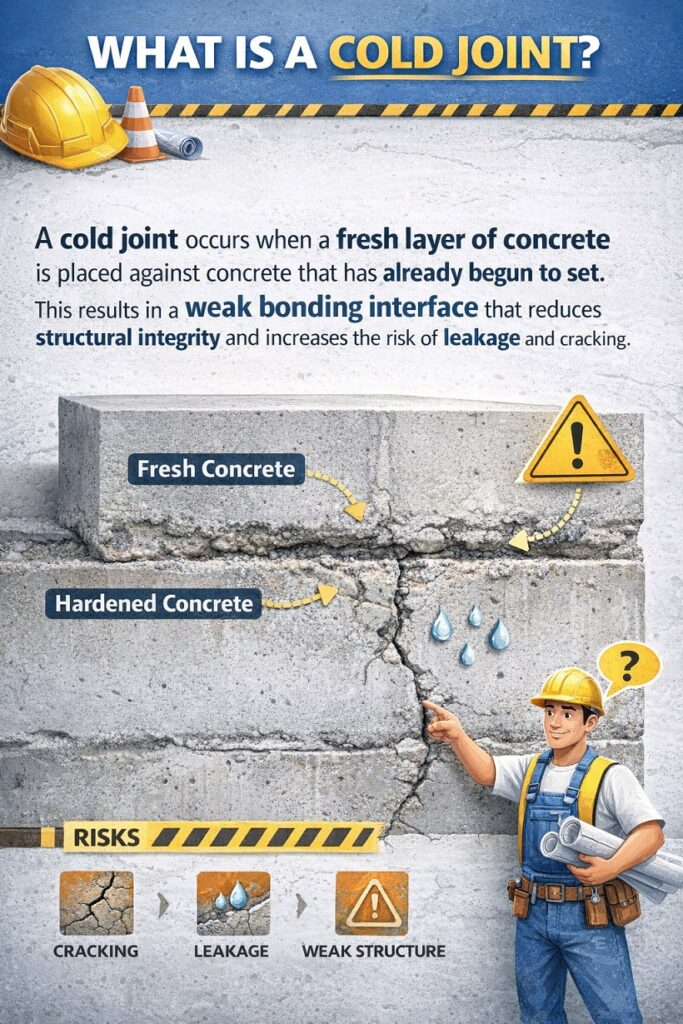
Cold joints commonly occur in:
- Large slabs
- Raft foundations
- Retaining walls
- Columns and beams
- Shear walls
- Industrial floors
While some joints in concrete are intentional (such as construction joints, expansion joints, and control joints), cold joints are generally unplanned and undesirable.
How Does a Cold Joint Form?
Cold joints typically form when there is a delay between concrete pours. For example:
- The first layer of concrete is poured.
- Due to equipment failure, labor issues, traffic delays, or supply shortages, the next batch arrives late.
- The first layer begins to set.
- Fresh concrete is poured on top of partially hardened concrete.
- The bond between the two layers is weak.
The result is a discontinuity in the structure that may compromise strength and durability.
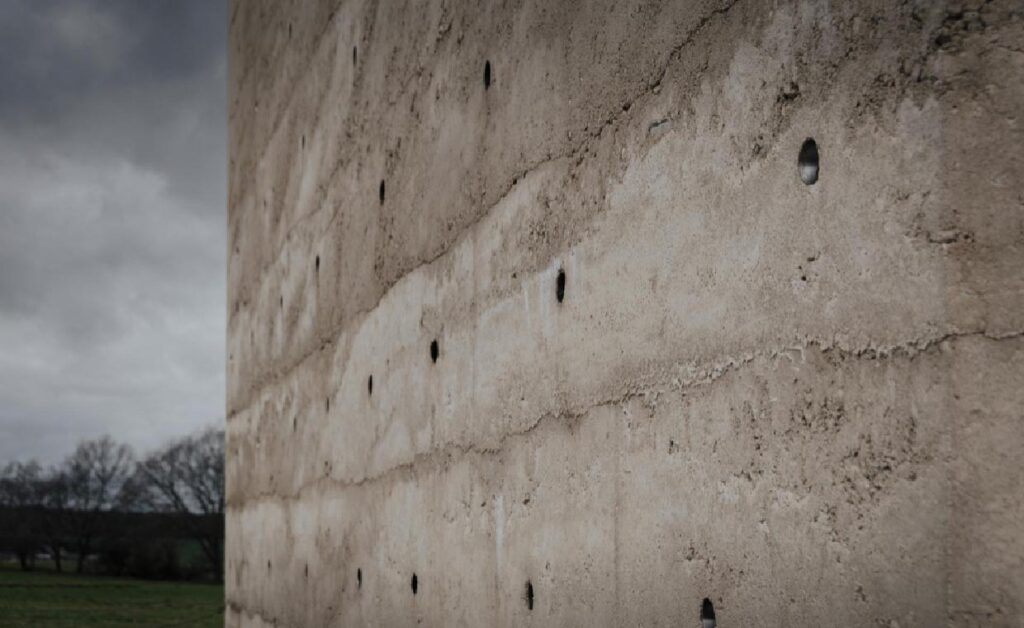
Main Causes of Cold Joints in Concrete
Understanding the causes is the first step in prevention. Below are the most common reasons cold joints develop:
1. Delay Between Concrete Pours
The most common cause is excessive time between successive pours. Concrete typically begins to set within 30 to 90 minutes depending on temperature and mix design. If the next layer is added after this window, bonding becomes difficult.
2. Poor Planning and Scheduling
Inadequate coordination between batching plant, transportation, and on-site teams often results in interruptions during placement.
3. Hot Weather Conditions
High temperatures accelerate the hydration process. In hot climates, concrete can lose workability much faster, increasing the risk of cold joints.
4. Inadequate Workforce or Equipment
Insufficient manpower, pump breakdown, or improper vibration can slow down placement and compaction.
5. Improper Surface Preparation
When resuming a concrete pour, if the previously hardened surface is not cleaned, roughened, or treated with bonding agents, proper adhesion may not occur.
6. Improper Mix Design
Concrete mixes with low workability or insufficient retarders may set too quickly.
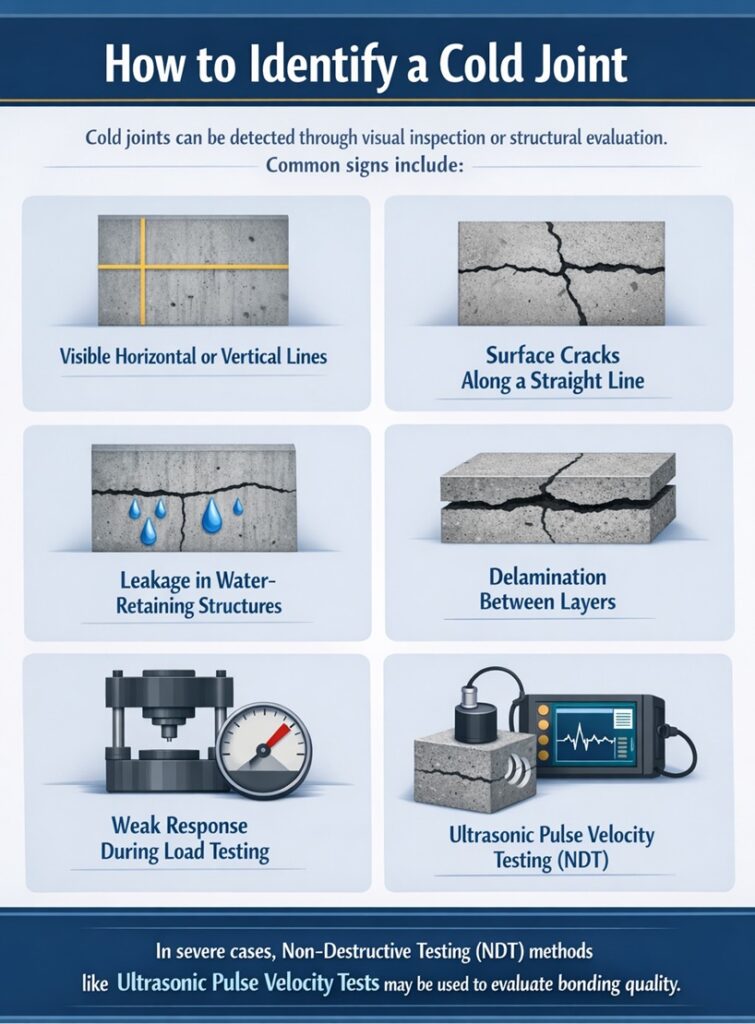
Risks and Structural Implications of Cold Joints
Cold joints are more than just cosmetic defects. They can lead to serious structural and durability issues.
1. Reduced Structural Strength
The lack of proper bonding reduces shear strength and load transfer capacity between layers.
2. Water Seepage
Cold joints create pathways for water ingress, especially in basements, retaining walls, and water tanks.
3. Corrosion of Reinforcement
Water entering through cold joints can reach reinforcement bars, leading to corrosion and long-term deterioration.
4. Cracking and Delamination
Differential movement and stress concentration along the joint may cause cracking.
5. Reduced Durability
Exposure to chemicals, freeze-thaw cycles, and environmental conditions can worsen the damage.
In critical structural elements such as shear walls or foundations, cold joints can significantly affect performance and safety.
Cold Joint vs Construction Joint: Understanding the Difference
It is important to distinguish between a cold joint and a construction joint.
| Cold Joint | Construction Joint |
|---|---|
| Unplanned | Planned |
| Occurs due to delay | Designed intentionally |
| Weak bonding | Proper bonding treatment applied |
| Undesirable | Structurally acceptable |
Construction joints are intentionally located and treated using shear keys, bonding agents, or dowel bars to maintain structural integrity. Cold joints, however, form unintentionally and often lack proper preparation.
Prevention of Cold Joints in Concrete
Preventing cold joints requires proper planning, execution, and quality control. Below are effective prevention methods:
1. Proper Planning and Scheduling
- Estimate total concrete volume accurately.
- Ensure continuous supply from the batching plant.
- Coordinate manpower and equipment.
- Avoid unnecessary interruptions during pouring.
Planning is the most effective way to eliminate cold joints.
2. Maintain Continuous Concrete Placement
Concrete should be placed in layers and vibrated properly to ensure bonding. The time gap between layers should not exceed the initial setting time.
In large pours, divide the structure into planned construction joints rather than risking cold joints.
3. Use Retarding Admixtures
Chemical retarders slow down the setting time, especially in hot weather. This gives more working time and reduces the risk of premature setting.
Retarders are particularly useful in:
- Large foundation pours
- Mass concrete works
- Hot climatic regions
4. Proper Surface Preparation (If Delay Occurs)
If a delay is unavoidable:
- Roughen the surface of hardened concrete.
- Clean dust and debris.
- Apply bonding agents or cement slurry.
- Ensure proper vibration during the new pour.
This improves mechanical interlocking and adhesion.
5. Temperature Control Measures
In hot weather:
- Use chilled water or ice in the mix.
- Schedule pours during early morning or evening.
- Provide shading and windbreaks.
Controlling temperature slows down hydration and extends workability.
6. Adequate Vibration and Compaction
Proper vibration ensures:
- Removal of air voids
- Improved bonding between layers
- Enhanced density and strength
Insufficient compaction increases the risk of weak joints.
7. Quality Supervision and Inspection
Continuous monitoring during concrete placement helps identify delays or inconsistencies early.
Site engineers should:
- Track setting time
- Monitor batch arrival intervals
- Inspect surface condition before next pour
Repair Methods for Cold Joints
If a cold joint has already formed, repair measures depend on severity.
1. Surface Sealing
For minor joints, epoxy injection or surface sealants can prevent water ingress.
2. Epoxy Bonding
Structural epoxy adhesives can restore bonding between layers.
3. Grouting
Pressure grouting helps fill voids and improve strength.
4. Structural Strengthening
In severe cases, external reinforcement or jacketing may be required.
Timely detection and corrective action prevent long-term damage.
Best Practices for Contractors and Engineers
To avoid cold joints in construction projects:
- Conduct pre-pour meetings
- Prepare contingency plans for delays
- Maintain backup equipment
- Use proper mix design based on weather conditions
- Ensure clear communication between batching plant and site team
Professional management and disciplined execution are critical for high-quality concrete work.
Conclusion
A cold joint in concrete is a common but preventable issue that occurs when fresh concrete is poured against partially hardened concrete without proper bonding. Although it may initially appear as a simple line or seam, its structural and durability implications can be significant.
However, with proper scheduling, use of admixtures, temperature control, and quality supervision, cold joints can be effectively prevented. When they do occur, timely repair methods such as epoxy injection and grouting can restore structural integrity.
Concrete construction demands precision and coordination. By understanding the risks and applying preventive measures, engineers and contractors can ensure durable, strong, and long-lasting concrete structures.