
The construction industry is undergoing a significant transformation driven by the demand for energy efficiency, sustainability, and occupant comfort. Modern buildings are no longer evaluated solely on structural integrity or architectural aesthetics; instead, performance-driven design has become a key priority.
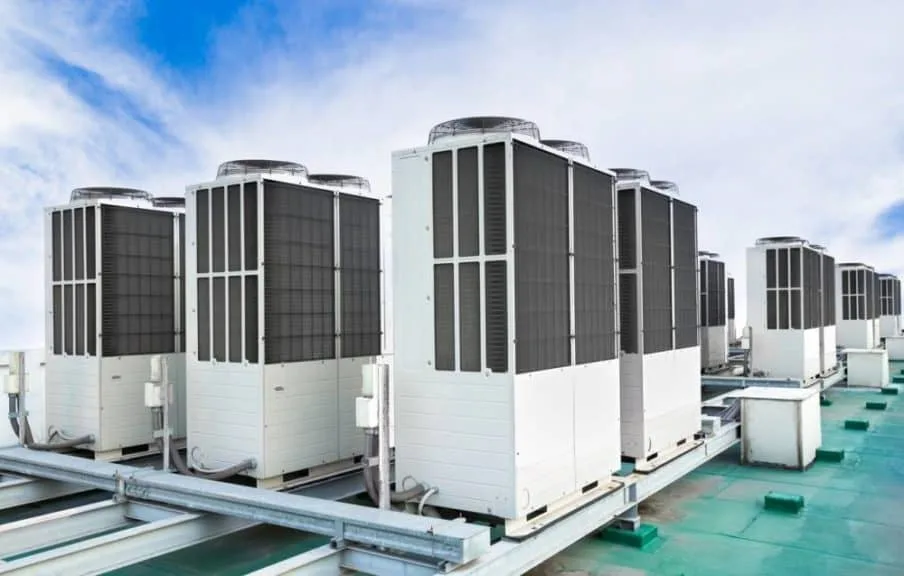
Among the various systems integrated into contemporary buildings, central HVAC systems play a critical role in ensuring optimal indoor environmental conditions. These systems are no longer treated as auxiliary components but are now central to building performance, influencing energy consumption, indoor air quality, and long-term operational efficiency.
As construction practices evolve, HVAC integration is increasingly considered at the early design stage rather than as a post-construction addition.
Understanding HVAC Systems in Construction
Heating, ventilation, and air conditioning (HVAC) systems are responsible for regulating indoor temperature, humidity, and air quality. These systems are essential for maintaining comfortable and healthy indoor environments across residential, commercial, and industrial structures.
From a technical perspective, HVAC systems function through a combination of:
- Air handling units
- Ductwork distribution systems
- Heating and cooling equipment
- Control and automation systems
These components work together to maintain consistent environmental conditions, which is critical for occupant comfort and building functionality. HVAC systems are designed to control temperature, airflow, and humidity to ensure suitable indoor conditions year-round.
Integration of HVAC in Building Design
Early Planning and System Coordination
In modern construction, HVAC systems must be integrated during the design phase. Early coordination between architects, mechanical engineers, and contractors ensures efficient system layout and reduces conflicts with structural and electrical components.
Key considerations during planning include:
- Building orientation and heat load calculations
- Space allocation for ducts and equipment
- Integration with electrical and plumbing systems
- Energy efficiency targets
Failure to incorporate HVAC planning at an early stage often leads to inefficiencies, increased costs, and compromised system performance.
Load Calculation and System Sizing
Accurate load calculation is fundamental to HVAC design. It involves determining the heating and cooling requirements of a building based on factors such as:
- Building envelope characteristics
- Occupancy levels
- Internal heat gains (lighting, equipment)
- Climatic conditions
Improper sizing can lead to:
- Overloaded systems (high energy consumption)
- Undersized systems (poor performance)
Engineering standards emphasize the importance of balancing and commissioning to ensure system efficiency and optimal performance.
Energy Efficiency and Sustainability
Growing Importance of Energy-Efficient Systems
Energy consumption in buildings accounts for a significant portion of global energy use. HVAC systems alone can contribute a major share of this consumption, making efficiency a critical factor in system selection.
Modern central systems are designed to:
- Reduce energy wastage
- Optimize operational performance
- Support sustainable building certifications
Technological advancements such as variable-speed drives, smart thermostats, and automated controls enable systems to operate more efficiently under varying conditions.
Alignment with Green Building Standards
Sustainable construction practices emphasize the use of energy-efficient systems that minimize environmental impact. HVAC systems are integral to achieving certifications such as:
- LEED (Leadership in Energy and Environmental Design)
- IGBC (Indian Green Building Council)
- BREEAM
Centralized systems contribute to sustainability by reducing redundant equipment and improving energy distribution efficiency.
Impact on Indoor Air Quality
Indoor air quality (IAQ) is a critical parameter in modern buildings, particularly in urban environments where air pollution levels are high.
Centralized HVAC systems improve IAQ through:
- Filtration of airborne contaminants
- Controlled ventilation
- Regulation of humidity levels
Mechanical ventilation systems are widely used in high-rise and enclosed structures where natural ventilation is insufficient.
Maintaining proper IAQ not only enhances occupant comfort but also contributes to health and productivity.
Technological Advancements in HVAC Systems
Smart HVAC Systems
The integration of smart technologies has significantly improved HVAC system functionality. Modern systems can now be monitored and controlled using digital platforms, enabling:
- Remote system management
- Predictive maintenance
- Real-time performance monitoring
Smart HVAC systems also integrate with building management systems (BMS), allowing centralized control of multiple building functions.
Automation and Data-Driven Performance
Automation has enabled HVAC systems to adapt dynamically to changing environmental conditions. Sensors and data analytics allow systems to:
- Adjust airflow based on occupancy
- Optimize energy usage
- Detect faults before failure
These advancements improve operational efficiency and reduce maintenance costs.
Construction Challenges and Solutions
Space Constraints and Duct Design
One of the primary challenges in HVAC integration is the allocation of space for ductwork and equipment. In high-density urban construction, space optimization becomes critical.
Solutions include:
- Compact duct designs
- Modular HVAC systems
- Prefabricated components
Installation and Coordination Issues
Improper coordination between construction teams can lead to installation challenges such as:
- Clashes with structural elements
- Inefficient duct routing
- Increased installation time
The use of Building Information Modeling (BIM) has significantly improved coordination by allowing accurate visualization and planning.
Economic Considerations in HVAC Implementation
Initial Investment vs Lifecycle Cost
While centralized systems may require a higher initial investment, they offer significant long-term benefits, including:
- Reduced energy costs
- Lower maintenance requirements
- Extended system lifespan
Lifecycle cost analysis is essential for evaluating the true value of HVAC systems in construction projects.
Procurement and Supplier Selection
Selecting the right supplier is crucial for ensuring system quality and reliability. Contractors and developers often rely on platforms such as Home Outlet Direct to explore available systems and compare specifications based on project requirements.
Access to a wide range of equipment options enables better decision-making and ensures compatibility with project goals.
Role of HVAC in Future Construction Trends
Smart Buildings and Integrated Systems
The future of construction is closely linked with smart building technologies. HVAC systems will play a central role in this transformation by integrating with:
- IoT devices
- Energy management systems
- Renewable energy sources
Climate-Responsive Design
As climate conditions become more unpredictable, HVAC systems must adapt to varying environmental demands. Modern systems are being designed to handle extreme weather conditions while maintaining efficiency.
Industry trends indicate a growing focus on systems that are easier to install, more efficient, and adaptable to different building types.
Maintenance and Operational Efficiency
Regular maintenance is essential for ensuring the longevity and performance of HVAC systems. Maintenance practices include:
- Filter replacement
- System inspection
- Performance testing
Preventive maintenance reduces the risk of system failure and ensures consistent performance over time.
Conclusion
The integration of centralized HVAC systems in modern construction is no longer optional—it is a necessity driven by the demand for efficiency, sustainability, and occupant comfort.
From design and planning to installation and operation, HVAC systems influence every stage of a building’s lifecycle. Their impact extends beyond temperature control, affecting energy consumption, indoor air quality, and overall building performance.
As construction technologies continue to evolve, the role of HVAC systems will become even more significant, shaping the future of smart, sustainable, and high-performance buildings.






