I replaced a budget split-system air conditioner three times in eight years. The reverse-cycle unit before it, sized correctly and installed by a licensed technician, ran quietly for twelve years on the original compressor.
Same house, same climate, very different results.
That gap shows what durability means in real homes. Good specs and good installation beat a low sticker price every time.
Energy bills keep rising across Australia, older housing stock needs smarter upgrades, and cheap replacements create waste you pay for twice. Homeowners, renovators, landlords, and specifiers all face the same question: what will still work well a decade from now?
A practical checklist helps. Look at performance labels, climate fit, serviceable parts, repair access, and the full cost of ownership before you buy.
That approach turns everyday purchases into defensible decisions, not guesses shaped by marketing claims or rushed replacements.
Key Takeaways
Use a few measurable checks, and durable choices become much easier to spot.
- Use total cost of ownership, or TCO, instead of upfront price alone. Purchase cost, installation, energy use, maintenance, and service life all belong in the same calculation.
- Size reverse-cycle air conditioners with a room load calculation, not floor area alone. Then compare models with the Zoned Energy Rating Label for your climate.
- Specify LEDs by lumens, colour temperature, and colour rendering index. These details affect brightness, comfort, and how long the fitting performs well.
- Check Water Efficiency Labelling and Standards, or WELS, stars on regulated tapware and showers. Unregistered regulated products should not be supplied.
- Treat heat pump water heaters as a high-impact upgrade in electric homes. They can cut one of the largest household energy loads.
- Use material tests, such as Janka hardness for timber and wall thickness for cookware, to predict daily wear. Simple specifications tell you a lot about long-term performance.
What Are Durable Home Essentials?
Durable essentials keep comfort high for years with fewer failures and lower running costs.
“Durable” does not mean indestructible. It means a product keeps working through normal use, can be repaired with available parts, and meets Australian schemes such as Energy Rating or WELS where those rules apply.
I use a simple total cost of ownership formula for major purchases: purchase price plus installation, energy, and maintenance, minus resale, divided by expected years of service. That number makes a cheap short-life product look expensive very quickly.
Australian Consumer Law also matters. Goods must be of acceptable quality and durable, regardless of a short written warranty, so receipts, service logs, and model numbers are worth keeping.
3 Big Benefits Of Buying For Durability
Upfront price matters, but failure risk and running cost matter more over time.
Three gains usually justify the extra spend.
Lower Total Cost Of Ownership
LEDs use about 75 percent less energy than halogens and usually last five to ten times longer. That cuts both power use and replacement labour, which matters in homes with hard-to-reach fittings.
Heat pump water heaters can use around 30 percent of the energy of conventional electric storage systems. In electric-only homes, where water heating can take about 23 percent of total energy use, that saving is hard to ignore.
Fewer Comfort Failures And Safer Homes
Correctly sized heating, ventilation, and air conditioning systems avoid short-cycling, which is the start-stop pattern that wears compressors early. A unit that runs steadily at lower intensity usually lasts longer and sounds quieter.
Installation quality matters just as much. In Australia, anyone handling fluorocarbon refrigerant must hold an ARC Refrigerant Handling Licence through the Australian Refrigeration Council, and poor drainage or bad circuit protection can turn a small defect into a major repair.
Smaller Footprint And Better Resale
Efficient essentials cut water and energy use every day. They also signal a well-kept property to buyers, valuers, and tenants, especially when the upgrades are documented and still under support.
Choosing A Qualified Air Conditioning Installer
A good installation protects performance, noise levels, and service life better than a famous badge alone.
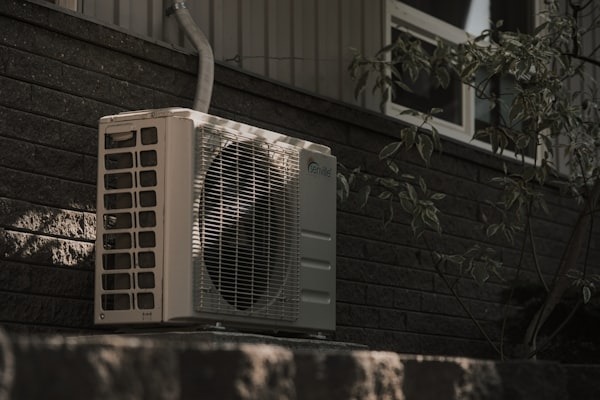
Air conditioners are installed systems, not shelf products. In Melbourne’s changeable climate, correct sizing, sensible outdoor-unit placement, insulated pipe runs, and reliable condensate drainage all affect how the unit will perform through summer heat and cold winter mornings.
A proper quote starts with a room load calculation, not a guess from floor area. It should also confirm the installer’s ARC licence, electrical isolation method, line-set length, wall-penetration sealing, and the location of the outdoor unit so neighbours and bedrooms are not exposed to avoidable noise.
If you want a benchmark for what that scope should include, review a specialist air conditioning installation service that explains load checks, licensed refrigerant handling, zoning, and commissioning before the job begins. That kind of detail is the difference between a system that quietly lasts and one that short-cycles, leaks, or loses warranty support.
What To Prioritise So Comfort Lasts
Durability improves when you compare the few specifications that directly affect wear, efficiency, and repairability.
These checks help you shortlist products you can justify to clients, tenants, or your future self.
Heating And Cooling
Reverse-cycle air conditioners, also called heat pumps, are the most efficient option for combined heating and cooling in most Australian homes. Use the Zoned Energy Rating Label, or ZERL, to compare performance in your climate zone rather than relying on a national average.
Rules of thumb based on square metres can point you in the right direction, but they miss ceiling height, window area, shading, insulation, and air leakage. A room load calculator, such as AIRAH’s FairAir tool, gives a much safer starting point, and the quote should confirm ARC-licensed refrigerant handling and commissioning.
Air con installation in Melbourne
For Melbourne’s temperate climate and mixed housing stock, correct load calculation, ARC-licensed workmanship, neat pipework runs, and careful commissioning are what separate quiet, efficient comfort from a noisy power-hog over years of daily use. For a local benchmark on scope, documentation, and code-compliant outcomes, Savage Air shows what to expect from professional air con installation in Melbourne.
Air Quality
For smoke events and allergy seasons, a portable air purifier with a high-efficiency particulate air, or HEPA, filter rated at H13 or higher is a solid choice. Match the clean air delivery rate to the room volume and check the replacement filter cost before buying.
A poor seal around the filter frame lets dirty air bypass the media, so build quality matters as much as the headline rating.
Hot Water
Water heating is one of the biggest energy loads in the home, so upgrade it early if your current system is old or electric resistance only. Size a heat pump water heater to household occupancy and peak draw, then check cold-climate performance and condensate routing.
Set the cylinder to 60 degrees Celsius for hygiene and use a mixing valve to deliver 50 to 55 degrees at fixtures for comfort.
Lighting
Specify LEDs by lumens for brightness, colour temperature of 2700 to 3000 kelvin for living areas, and a colour rendering index, or CRI, of 90 or higher where accurate colour matters. Driver quality affects flicker, dimming behaviour, and lifespan.
Declared lifetime, such as L70 at 25,000 to 50,000 hours, and a clear warranty are better buying signals than vague claims about premium chips.
Flooring
Janka hardness measures the force needed to dent timber. Australian hardwoods such as Spotted Gum at roughly 11 kN and Blackbutt at roughly 9 kN resist dents better than common softwoods in hallways, kitchens, and entry zones.
On slabs, use the correct moisture barrier and allow the boards to acclimatise before installation, or even a hard species can cup or gap.
Cooking And Cookware
Good cookware should hold heat evenly, survive repeated use, and be easy to maintain. A cast-iron Dutch oven is useful for braises, soups, bread, and one-pot meals, while stainless tri-ply pans cover faster weekday cooking.
For cast iron, look for even wall thickness, a tight lid, oven-safe hardware above 200 degrees Celsius, and clear care instructions. Avoid sudden temperature changes and refresh the seasoning when food starts to stick.
Where To Buy So You Get Quality That Lasts
The seller matters because after-sales support is part of the product.
Trade suppliers and specialist showrooms are usually the safest choice for installed systems such as air conditioning, hot water, and flooring. You can check installer credentials, service areas, lead times for spare parts, and the quality of the handover documents before you commit.
For appliances and cookware, combine independent testing with the manufacturer’s own specifications. Check the Energy Rating database or WELS registration where relevant, and ask how long key spare parts are kept locally.
How To Track Your Indoor Comfort ROI
A simple record system turns a home upgrade into a measured investment.
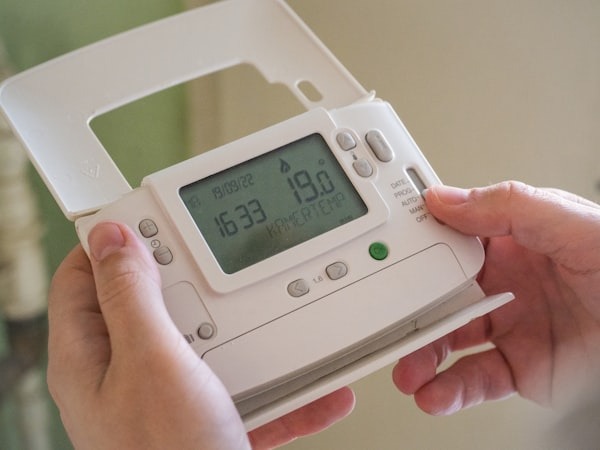
Start with the last twelve months of energy bills and note the dates of any major weather events. Then log room temperature, humidity, and noise in the spaces that matter most before and after an upgrade.
Keep a folder with receipts, serial numbers, installer licence numbers, commissioning reports, and photos of nameplates. Maintenance dates for filters, descaling, anode checks, and firmware updates help you spot whether a product is still earning its place.
If you manage a rental, these records also make owner approvals and future replacement decisions faster.
Picking A Dutch Oven For Decades Of Use
Shape, weight, and hardware tell you more than colour or trend.
An oval Dutch oven suits whole roasts, chicken frames, and longer cuts that do not fit neatly in a round pot. For most households, a five to seven litre capacity is large enough for family meals without becoming awkward to lift.
Browse oval dutch oven options
If you want a real-world comparison point for capacity, lid fit, enamel finish, and oven-safe hardware, compare models that publish clear specifications rather than relying on colour or trend alone. For family meals, longer roasts, and oven-to-table serving, Ironclad Pan offers a useful benchmark when you need clear dimensions, weight guidance, and care details before you browse oval dutch oven options with capacity notes, lid construction, and knob ratings in view.
A heavy pot is not automatically better. The best piece is the one you can move safely from hob to oven, use every week, and re-season or maintain without fuss.
Store it fully dry, avoid thermal shock, and use wood or silicone utensils on enamel to reduce chips around the rim.
Make Durable Choices Work For You
Consistency beats impulse buying when you maintain a home over many years.
Standardise the products and consumables that perform well in your property, then record why they worked. That simple log stops decision drift when a fitting fails during a busy week or a tenant needs a quick replacement.
Reorder proven filters, lamps, and seals on a schedule, and book annual heating and hot-water checks before peak season. Each logged choice makes the next purchase faster and more defensible.
FAQ
A few technical checks answer most buying questions before money is spent.
Which Upgrades Usually Pay Back First?
In most Australian homes, the fastest wins come from a correctly sized reverse-cycle split system, LED replacements in high-use fittings, heat pump hot water in electric homes, and WELS-rated showers. These upgrades cut the largest running costs without requiring a full renovation.
How Do I Avoid Oversizing A Split System?
Start with a room load tool such as AIRAH FairAir, then confirm the result with an on-site visit from a licensed installer. Do not use extra capacity as a substitute for poor sealing, weak insulation, or unshaded west-facing glass.
Which LED Specifications Matter Most For Comfort?
Lumens control brightness, colour temperature sets the feel of the room, CRI affects how colours look, and driver quality shapes flicker and dimming. In living areas, 2700 to 3000 kelvin and low flicker are usually the safest targets.
How Long Should A Dutch Oven Last?
A good cast-iron Dutch oven should last for decades with basic care. Enamel chips may shorten the perfect appearance, but they do not automatically end the pot’s useful life if the body remains sound and rust is controlled.
What Records Protect My Consumer Rights?
Keep the quote, receipt, serial number, installer licence details, commissioning report, and photos of the nameplate. Those records support any claim about acceptable quality, durability, or incorrect installation under Australian Consumer Law.