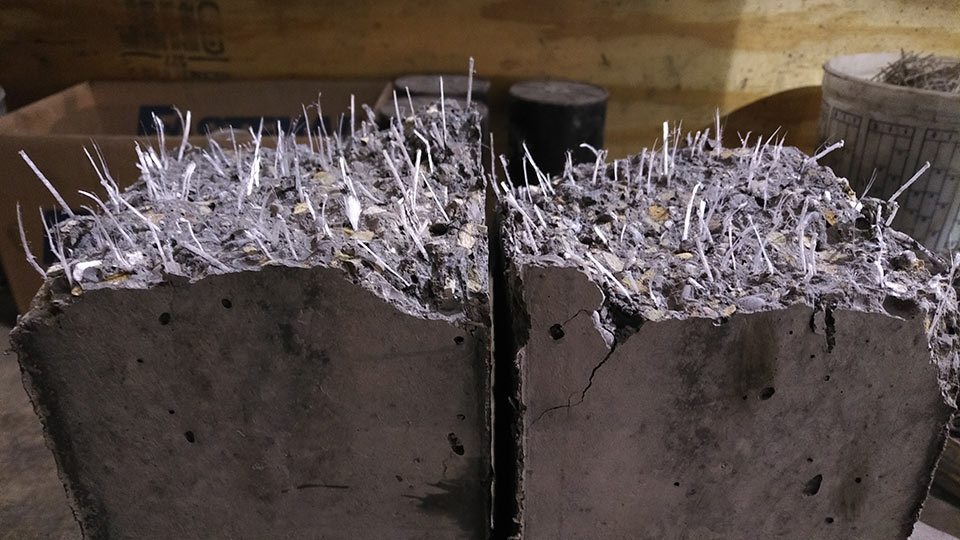
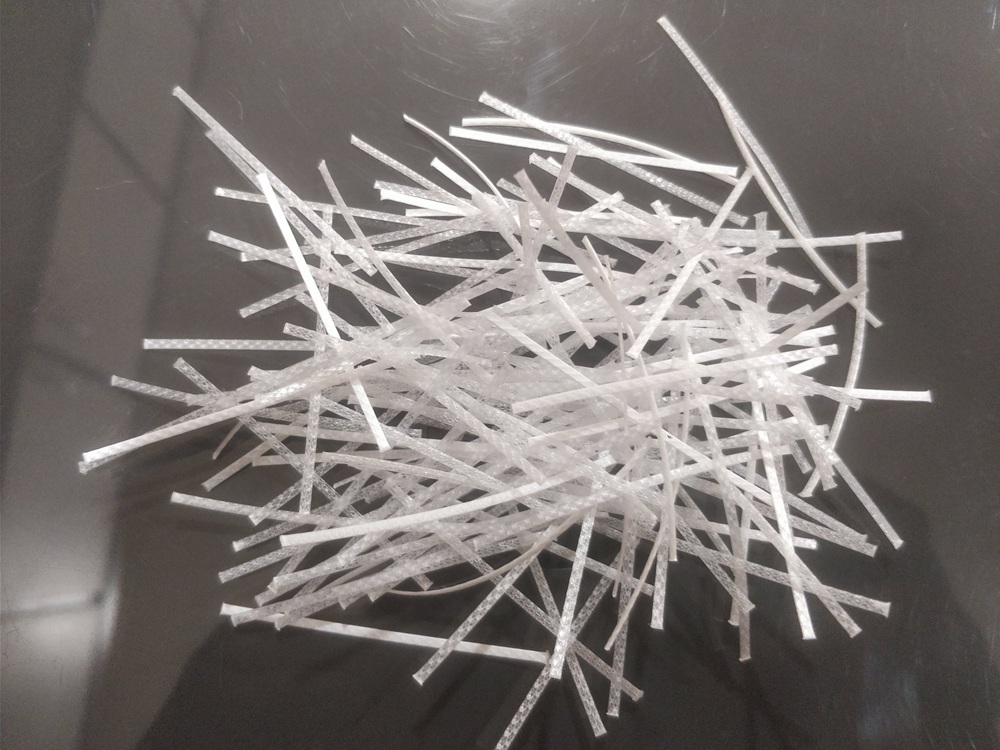
Synthetic macro fibres are produced from polymers like polypropylene or polyethylene, that are added to concrete to improve its mechanical properties. Unlike micro fibres, which are mainly used to control plastic shrinkage cracking, macro fibres are larger and designed to provide structural reinforcement.
These fibres are uniformly distributed throughout the concrete mix, forming a three-dimensional reinforcement system. This ensures that the concrete gains enhanced toughness, ductility, and resistance to cracking.
Composition and Types
Synthetic macro fibres are generally manufactured from:
- Polypropylene (PP): The most commonly used material due to its cost-effectiveness, durability, and chemical resistance.
- Polyethylene (PE): Known for higher tensile strength and improved bonding characteristics.
- Blended polymers: Designed to optimize performance for specific applications.
Based on their structure, they can be classified as:
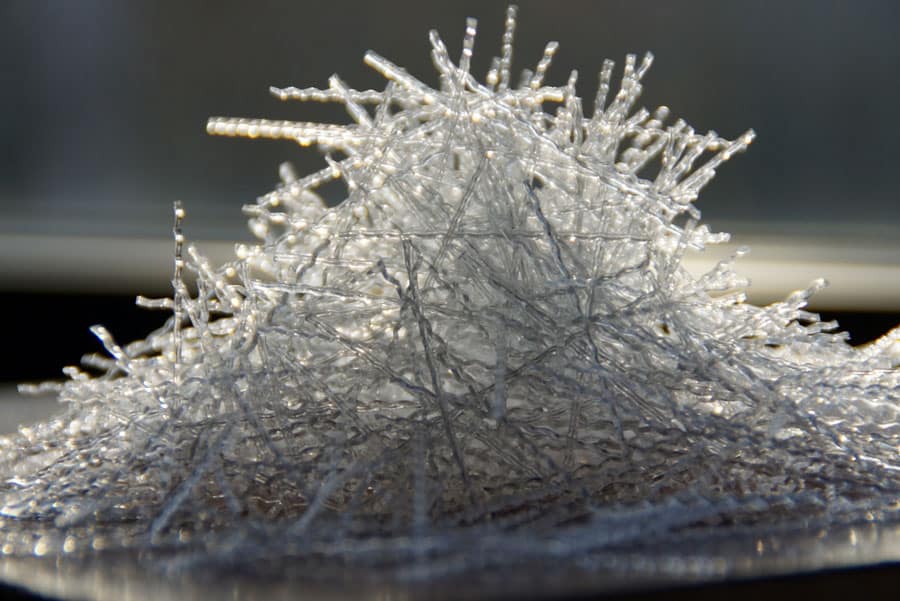
- Fibrillated fibres: Net-like structure that opens up during mixing for better bonding.
- Monofilament fibres: Single strands with consistent diameter and high tensile strength.
- Embossed or crimped fibres: Designed with surface texture to improve mechanical anchorage in concrete.
How They Work in Concrete
Concrete is inherently strong in compression but weak in tension. Cracks develop due to shrinkage, temperature changes, and applied loads. Synthetic macro fibres help address these weaknesses by:
- Bridging cracks: Fibres span across cracks and hold the concrete together, preventing crack propagation.
- Distributing stress: Load is distributed more evenly across the concrete matrix.
- Enhancing post-crack performance: Even after cracking, the fibres provide residual strength.
This results in improved toughness and ductility, making the concrete more resilient under dynamic and heavy loads.
Key Benefits
1. Crack Control
One of the most significant advantages is the ability to control both plastic and hardened concrete cracking. This leads to longer-lasting structures and reduced maintenance costs.
2. Improved Durability
Synthetic macro fibres enhance resistance to:
- Impact and abrasion
- Freeze-thaw cycles
- Chemical exposure
This makes them ideal for harsh environments such as industrial floors and marine structures.
3. Corrosion Resistance
Unlike steel reinforcement, synthetic fibres do not corrode. This is particularly beneficial in environments exposed to moisture, salts, or chemicals.
4. Cost Efficiency
While the initial material cost may seem higher than traditional methods, overall project costs often decrease due to:
- Reduced labour (no need for steel mesh installation)
- Faster construction timelines
- Lower maintenance and repair costs
5. Safety and Handling
Synthetic fibres are lightweight and easy to transport and handle. They eliminate risks associated with handling heavy steel reinforcements and reduce on-site injuries.
Applications in Construction
Synthetic macro fibres are widely used across various construction segments:
Industrial Flooring
One of the most common applications is in industrial floors, where durability and load-bearing capacity are critical. Fibres help reduce joint spacing and improve wear resistance.
Pavements and Roads
In road construction, fibres enhance fatigue resistance and reduce cracking, leading to longer service life and lower maintenance requirements.
Precast Elements
Used in precast concrete products such as pipes, panels, and segments, fibres improve structural integrity and simplify production processes.
Tunnels and Shotcrete
In tunnelling applications, fibre-reinforced shotcrete provides immediate ground support and reduces the need for traditional reinforcement.
Residential and Commercial Slabs
Fibres are increasingly used in slabs-on-grade for homes and commercial buildings, offering a cost-effective alternative to steel mesh.
Airports and Heavy-Duty Surfaces
Runways, taxiways, and port pavements benefit from fibre reinforcement due to high load and impact resistance requirements.
Design Considerations
When using synthetic macro fibres, proper design and engineering are essential. Key considerations include:
- Dosage rate: Typically measured in kg per cubic meter of concrete, depending on application.
- Mix design: Adjustments may be needed to maintain workability.
- Performance requirements: Load-bearing capacity, crack width control, and durability goals must be defined.
- Compliance with standards: Ensure adherence to local and international guidelines.
Advanced design methods, such as performance-based specifications, are often used to determine the appropriate fibre type and dosage.
Challenges and Limitations
Despite their advantages, synthetic macro fibres come with some challenges:
- Initial perception: Some stakeholders still prefer traditional steel due to familiarity.
- Design complexity: Requires expertise in fibre-reinforced concrete design.
- Surface finish: Improper finishing techniques can lead to visible fibres on the surface.
- Quality control: Uniform distribution in the mix is crucial for optimal performance.
These challenges can be effectively managed through proper training, design, and quality assurance practices.
Installation and Best Practices
To achieve the best results, the following practices should be followed:
- Proper Mixing: Add fibres gradually to avoid clumping.
- Adequate Workability: Use admixtures if needed to maintain flow.
- Correct Finishing: Ensure proper finishing techniques to avoid fibre exposure.
- Curing: Follow standard curing practices to maximize performance.
- Testing: Conduct performance tests to validate design assumptions.
Future Trends
The use of synthetic macro fibres is expected to grow significantly in the coming years due to:
- Increasing demand for durable infrastructure
- Advancements in fibre technology
- Growing focus on sustainability
- Adoption of performance-based design standards
Innovations such as hybrid fibre systems (combining micro and macro fibres) and smart fibres with enhanced properties are also gaining traction.
Conclusion
Synthetic macro fibres represent a significant advancement in construction materials, offering a practical and efficient alternative to traditional reinforcement methods. Their ability to improve crack resistance, durability, and overall performance makes them an attractive choice for a wide range of applications.
While they may not completely replace steel in all scenarios, their role in modern construction is undeniably growing. With proper design, implementation, and quality control, synthetic macro fibres can deliver long-lasting, cost-effective, and sustainable construction solutions. As the industry continues to evolve, embracing such innovative materials will be key to building resilient infrastructure that meets the demands of the future.