The construction industry is changing fast. Energy efficiency is no longer a bonus feature. It is now a core requirement. Solar power is leading this shift. Yet many projects still treat solar as an add-on instead of a starting point. This approach creates higher costs, design limitations, and missed opportunities.
Integrating solar from day one changes everything. It allows architects, developers, and realtors to design smarter buildings that perform better over time. When solar is planned early, it fits naturally into the structure. Roof angles, electrical systems, and energy flow are all aligned. This reduces waste and improves long-term value.
I once worked with a development team that added solar late in the process. They had to redesign roof sections, move vents, and adjust wiring paths. The result was a delay of six weeks and a cost increase of nearly 18 percent. In contrast, projects that plan solar early often reduce installation costs by up to 25 percent and improve energy efficiency significantly.
The key lesson is simple. Solar is not just a feature. It is part of the foundation. When teams treat it that way, projects become more efficient, more valuable, and more future-ready.
Designing With Solar in Mind From the Start
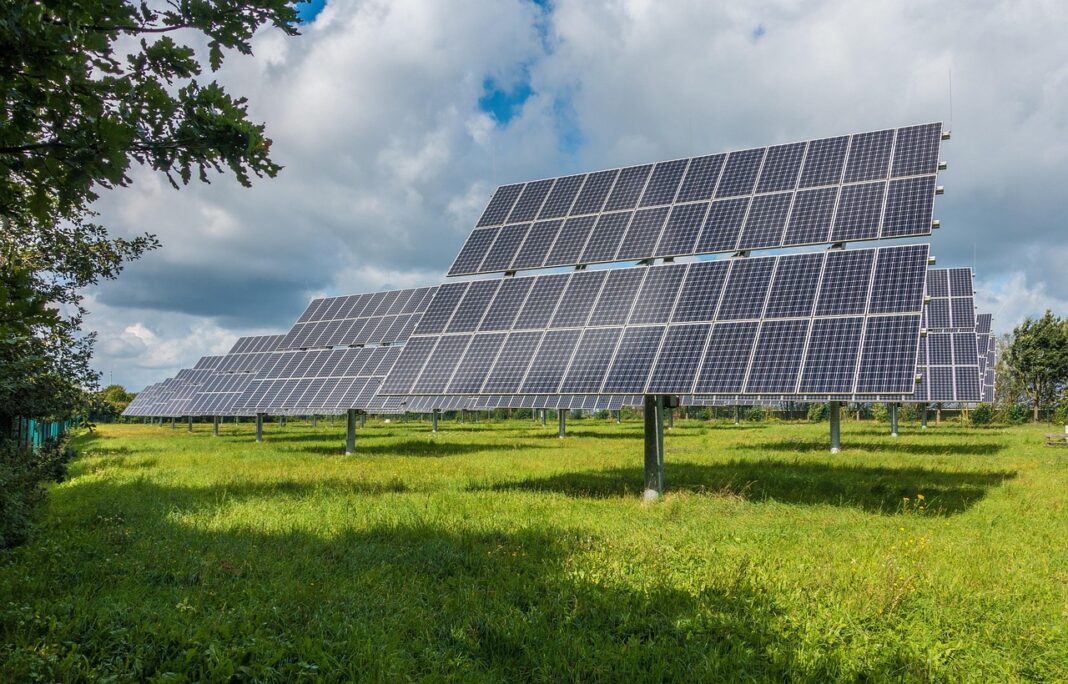
Early design decisions have a major impact on solar performance. Roof orientation, building shape, and material selection all influence energy output. South-facing roofs, for example, capture more sunlight in many regions. Even small adjustments in angle can increase efficiency by 10 to 15 percent.
Architects must consider solar placement before finalizing plans. This includes avoiding shading from nearby structures, trees, or design elements. Developers also need to plan space for inverters, battery storage, and electrical routing. These details are often overlooked when solar is added later.
Richard Skeoch, Director at Hyperion Tiles, highlights the importance of design integration. “In my experience, design choices affect more than aesthetics. When materials and layout are planned with energy systems in mind, the result is more cohesive and efficient. I have worked with clients who integrated solar early and achieved both visual appeal and performance. Good design supports long-term functionality.”
Interior design also plays a role. Flooring materials, insulation, and lighting choices can improve energy efficiency. When these elements align with solar systems, the building performs as a complete unit rather than separate parts.
Planning early also improves resale value. Buyers increasingly look for energy-efficient homes. Properties with integrated solar systems often sell faster and at higher prices. Realtors benefit when sustainability is built into the project from the beginning.
Structural and Electrical Planning Before Construction Begins
Solar integration is not just about panels on a roof. It requires strong structural and electrical planning. Roof load capacity must support panel weight. Electrical systems must handle energy flow safely and efficiently. These factors are easier to address before construction starts.
Developers should work closely with engineers to ensure the building can support solar infrastructure. Reinforced roofing systems, proper mounting points, and optimized wiring paths reduce future complications. Electrical panels must also be sized correctly to handle solar input and potential battery storage.
Joseph Melara, Chief Operating Officer at Truly Tough Contractors, explains this clearly. “When we integrate solar at the beginning of a project, everything becomes more efficient. I have seen projects where early planning reduced installation time by nearly 30 percent. We align roofing, electrical, and structural systems from day one. That coordination eliminates rework and improves long-term performance.”
His experience managing multi-trade projects shows how collaboration across teams drives success. Solar integration requires coordination between electricians, roofers, and construction crews. When everyone works from the same plan, results improve.
Permitting and compliance also benefit from early planning. Local regulations often require specific safety and energy standards. Addressing these requirements early prevents delays and costly redesigns later.
Safety, Compliance, and Risk Management
Safety is a critical part of solar integration. Electrical systems must meet strict standards to prevent hazards. Fire safety, in particular, requires careful planning. Solar panels introduce new considerations for emergency response and system shutdown procedures.
Lisa Clark, Director at Bell Fire and Security, emphasizes the importance of compliance. “In safety-critical environments, planning ahead is essential. I have worked with projects where early integration of energy systems improved compliance outcomes significantly. When teams consider fire safety alongside solar design, they reduce risk and protect both people and property. Clear planning leads to safer results.”
Fire access pathways, emergency shutoff systems, and proper labeling are all important. These features ensure that emergency services can respond effectively if needed. Ignoring these elements can create serious risks.
Risk management also includes system monitoring. Modern solar systems often include real-time tracking tools. These systems detect faults, performance issues, and potential hazards early. This proactive approach reduces downtime and maintenance costs.
Developers who prioritize safety build stronger reputations. Buyers and investors trust projects that meet high standards. Compliance is not just a requirement. It is a competitive advantage.
Financial Benefits and Long-Term Value
One of the strongest reasons to integrate solar early is financial performance. While initial costs may seem higher, long-term savings often outweigh them. Energy bills decrease significantly. In some cases, buildings generate excess power that can be sold back to the grid.
I worked on a residential project where early solar integration reduced annual energy costs by over 40 percent. Within five years, the system paid for itself. After that, the savings continued. This kind of return makes solar a smart investment.
Developers also benefit from incentives. Many regions offer tax credits, rebates, and grants for renewable energy projects. These programs often require early planning to qualify. Missing these opportunities can reduce potential savings.
Realtors play a key role in communicating value to buyers. Energy-efficient homes appeal to modern consumers. Buyers understand that lower utility costs and sustainable features improve long-term affordability.
Joseph Melara adds another perspective. “We see strong demand for properties that include solar from the start. Buyers recognize the value immediately. When systems are fully integrated, they perform better and require less maintenance. That creates confidence and drives higher property value.”
Collaboration Across Teams Drives Success
Successful solar integration depends on collaboration. Architects, developers, engineers, and contractors must work together from the beginning. Clear communication ensures that every detail aligns.
Projects that operate in silos often face challenges. Misaligned plans lead to delays, added costs, and reduced performance. In contrast, integrated teams create smoother workflows and better outcomes.
Richard Skeoch notes the importance of alignment. “When design and construction teams collaborate early, the results are stronger. I have seen projects where small design adjustments improved both efficiency and visual appeal. Collaboration creates balance between form and function.”
Technology also supports collaboration. Digital tools allow teams to share plans, track progress, and identify issues in real time. These tools improve accuracy and reduce errors.
Lisa Clark highlights the role of communication in safety. “Clear communication across teams ensures that safety standards are met consistently. When everyone understands their role, projects run more smoothly. This approach protects both workers and future occupants.”
Conclusion: Building Smarter From the Ground Up
Integrating solar into construction projects from day one is no longer optional. It is essential for efficiency, safety, and long-term value. Early planning allows systems to work together seamlessly. It reduces costs, improves performance, and creates stronger outcomes.
Joseph Melara demonstrates how coordination across trades drives efficiency. Richard Skeoch shows how design choices support energy systems. Lisa Clark emphasizes the importance of safety and compliance. Together, their insights reveal a clear path forward.
The key takeaway is simple. Solar integration starts with mindset. When teams treat it as part of the foundation, not an afterthought, they unlock its full potential. Buildings become smarter, safer, and more sustainable.
As the industry continues to evolve, those who plan early will lead the way. Integrating solar from the beginning is not just about energy. It is about building better for the future.