Waterproofing in tall structures is mainly about controlling water entry over time. These buildings face continuous exposure, wind-driven rain, temperature changes, and pressure differences which increase the chances of leakage. Unlike smaller buildings, once water enters, it can spread across multiple levels and become harder to trace and fix.
In most projects, issues don’t come from lack of systems, but from how waterproofing is planned and executed. It works better when treated as part of the overall building system coordinated with structure, façade, and drainage rather than as a separate layer added later.
Where Waterproofing Needs More Attention
Different areas behave differently, so the risk is not the same across the building:
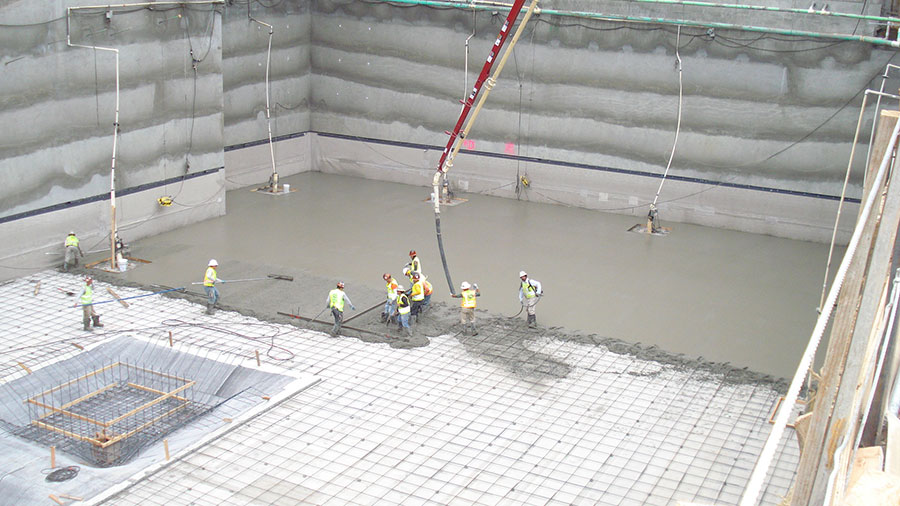
- Basements – Constant groundwater pressure and seepage risk
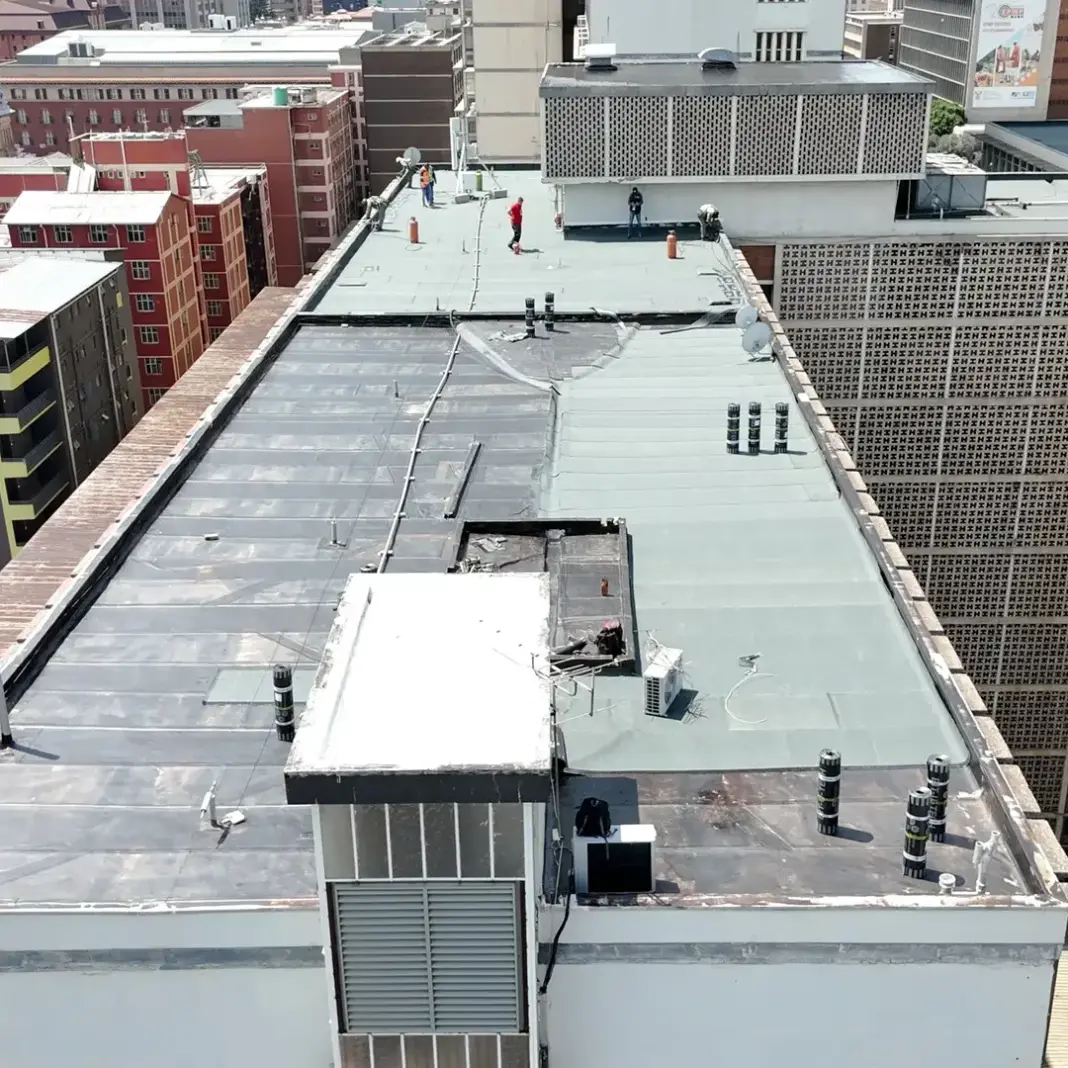
- Roofs – Direct exposure to rain, sunlight, and water stagnation
- Façades – Wind-driven rain entering through small cracks
- Wet Areas – Internal leakage affecting finishes and services
- Joints – Movement zones where cracks and failures are common
Common Waterproofing Systems (Based on Use)
Selection usually depends on surface condition, exposure, and expected movement. In tall structures, higher wind pressure and building movement mean the system needs to handle thermal stress, pressure differences, and long-term wear.
Liquid-Applied Systems
Used where detailing is complex or surfaces are uneven. They form a seamless layer, which helps reduce issues at joints. Often preferred in exposed areas because of better adhesion and faster curing.
Sheet Membranes
Preferred for larger, flat areas with uniform application. They give consistent thickness and coverage, but joints need proper attention, especially in high-rise conditions where water can get pushed through laps.
Crystalline / Integral Systems
Added within concrete to reduce permeability. These work from inside by blocking capillary pores and can self-seal minor cracks over time. Common in foundations and basements where pressure is constant.
Elastomeric Coatings
Used where expansion and contraction are expected. Their flexibility helps handle structural movement and temperature variation, which is usually higher at upper levels.
Cement-Based Coatings
Used mostly in internal or lower-risk areas. Easy to apply and suitable for wet zones like bathrooms, but not as flexible as other systems.
Waterproofing Systems Comparison for Quick Selection
| Criteria | Liquid Membrane | Sheet Membrane | Crystalline System |
| Application | Brush or spray | Laid as sheets | Mixed with concrete |
| Joints | Seamless | Joints present | No external layer |
| Crack Handling | Flexible | Moderate | Limited (self-sealing micro cracks) |
| Suitable Areas | Roofs, terraces | Basements, roofs | Foundations |
| Skill Requirement | High | Moderate | Low |
| Durability Under Movement | High | Moderate | Low |
| Resistance to Water Pressure | Moderate | High | High |
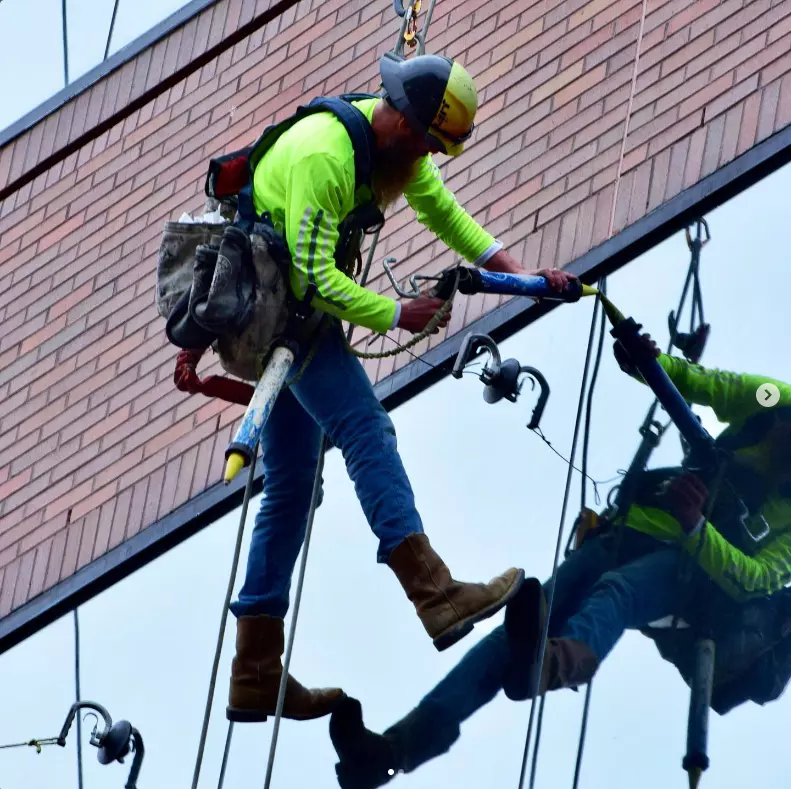
Additional Systems Used in Tall Structures
In high-rise projects, a single system is rarely sufficient. Additional systems are often combined based on exposure and structural conditions:
- HDPE Membranes – Used in deep basements to resist high hydrostatic pressure and prevent water migration.
- Bentonite Systems – Expand when in contact with water, closing cracks in below-grade applications.
- Polyurethane / Polyurea Coatings – Used in podiums, decks, and exposed areas where high flexibility is needed.
- Modified Bituminous Membranes (APP/SBS) – Common for roofs due to durability and weather resistance.
- Facade Rainscreen Systems – Help in controlling rain driven by wind by regulating pressure instead of completely preventing water.
This combination approach improves performance by addressing different types of water exposure across the building.
Design Points That Help Avoid Issues
Many failures can be reduced at the design stage itself:
- Provide proper slope (around 1–2%) for drainage
- Detail all service penetrations properly
- Consider thermal and structural movement
- Plan drainage layers and backup outlets
- Coordinate between structural, MEP, and façade teams
What Matters During Execution
Even a good design won’t work if site practices are weak:
- Ensure surface is clean and prepared before application
- Maintain uniform thickness across the area
- Protect finished layers during other site activities
- Test critical zones (ponding or flood testing)
- Follow system specifications as recommended
Waterproofing of Tall Structures: What Makes the Difference
In tall structures, waterproofing is less about adding more layers and more about doing it right the first time. Right material selection, proper detailing, and consistent site execution usually decide how well the system performs over time.
Image Credit: waterproofingnearme.co.za, waterproofmag.com, facadetoday.com,