As energy demand continues to rise across the globe, the need for smarter, more sustainable building practices has become increasingly urgent. One of the most effective approaches to reducing energy consumption in buildings is passive design – a strategy that leverages natural resources such as sunlight, wind, and thermal mass to maintain comfortable indoor conditions with minimal reliance on mechanical systems.
What is Passive Design?
Passive design refers to a set of architectural principles that aim to optimize a building’s performance by harnessing natural energy flows. The goal is to reduce or eliminate the need for artificial heating, cooling, and lighting.
These techniques are integrated into the building’s layout, orientation, materials, and envelope from the initial design stage. When implemented effectively, passive design can reduce energy use by up to 30–50%, making it a cornerstone of sustainable architecture.
Benefits of Passive Design
1. Reduced Energy Consumption
Passive buildings significantly lower electricity usage by minimizing dependence on HVAC systems.
2. Cost Savings
Although initial design planning may require expertise, long-term savings on energy bills are substantial.
3. Improved Comfort
Natural lighting, ventilation, and stable temperatures create a healthier indoor environment.
4. Environmental Impact
Lower energy consumption leads to reduced carbon emissions, contributing to sustainability goals.
5. Increased Building Value
Energy-efficient buildings are more attractive to buyers and tenants.
Applications of Passive Design
- Residential buildings for energy savings and thermal comfort
- Commercial buildings to reduce lighting and HVAC energy use
- Educational institutions for better daylight and ventilation
- Healthcare buildings for improved air quality and patient comfort
- Industrial buildings for heat control and efficient airflow
- Public buildings like airports and stations for lower energy demand
- Urban planning to improve microclimate and reduce heat island effect
Key Principles of Passive Design
1. Building Orientation
Orientation is one of the most fundamental aspects of passive design. It determines how much sunlight and heat a building receives throughout the day.
- In hot climates, buildings are typically oriented to minimize direct solar gain, especially from the east and west.
- In colder climates, maximizing southern exposure helps capture sunlight for natural heating.
Proper orientation reduces the need for artificial lighting and cooling, enhancing overall energy efficiency.
2. Building Envelope Optimization
The building envelope includes walls, roofs, windows, and doors that separate the indoor environment from the outside.
- High-performance insulation minimizes heat transfer
- Airtight construction reduces energy loss
- Reflective roofing materials lower heat absorption
A well-designed envelope acts as a barrier against unwanted heat gain or loss, maintaining stable indoor temperatures.
3. Natural Ventilation
Natural ventilation uses wind and pressure differences to circulate fresh air through a building.
- Cross ventilation: Openings on opposite sides allow air to flow through
- Stack ventilation: Warm air rises and exits through high openings, pulling cooler air inside
This reduces reliance on air conditioning systems and improves indoor air quality.
4. Daylighting
Maximizing natural light reduces the need for artificial lighting during the day.
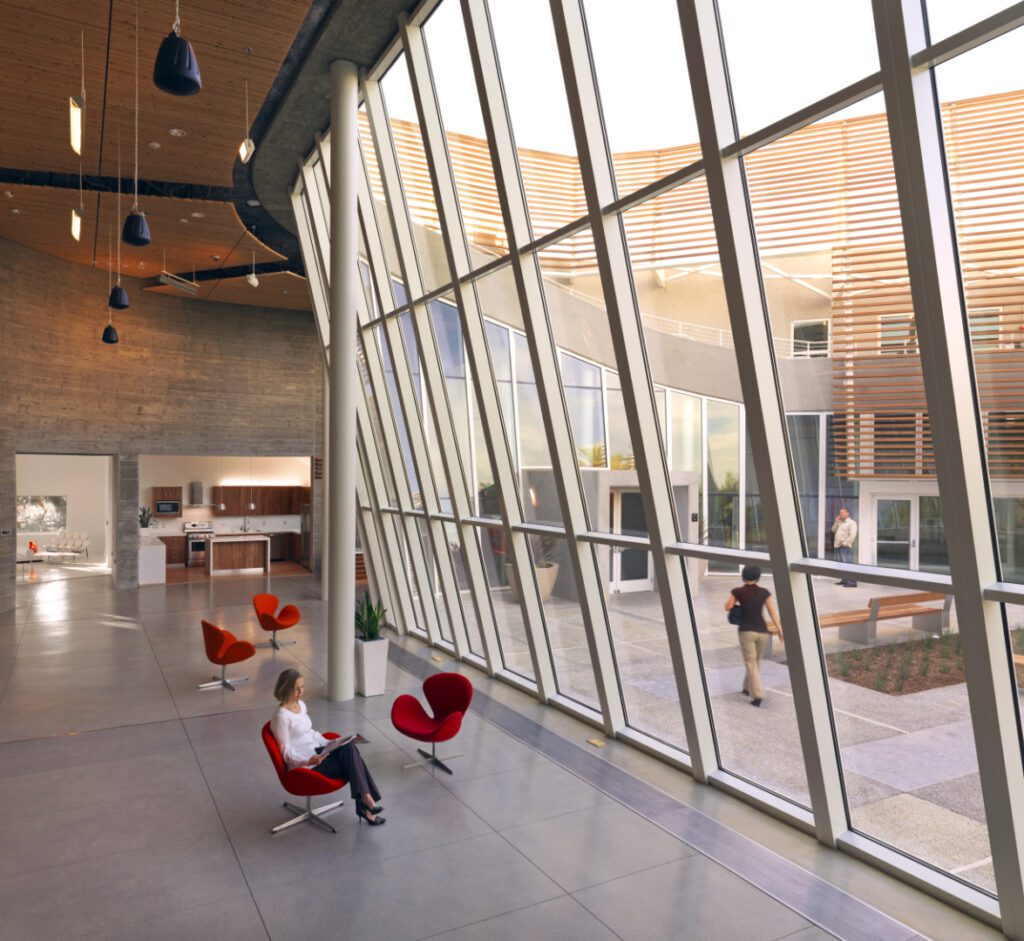
- Large windows, skylights, and light shelves help distribute daylight
- Proper glazing reduces glare and heat gain
- Reflective interior surfaces enhance light penetration
Daylighting not only saves energy but also improves occupant well-being and productivity.
5. Thermal Mass
Thermal mass refers to materials that can absorb, store, and release heat over time.
- Materials like concrete, brick, and stone help stabilize indoor temperatures
- During the day, they absorb excess heat
- At night, they release stored heat when temperatures drop
This technique is particularly effective in regions with high day-night temperature variation.
6. Shading Devices
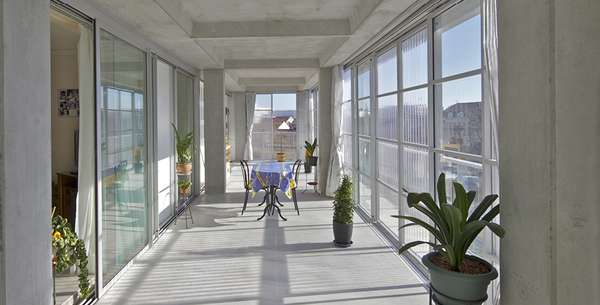
Shading is essential for controlling solar heat gain, especially in warm climates.
- Overhangs, louvers, and pergolas block direct sunlight
- Vegetation like trees and green facades provide natural shading
- Adjustable shading devices allow seasonal flexibility
Effective shading reduces cooling loads and enhances comfort.
7. Insulation and Materials
Choosing the right materials plays a crucial role in passive design.
- Insulated walls and roofs reduce heat transfer
- Double or triple-glazed windows improve thermal performance
- Low-emissivity (Low-E) coatings reflect heat while allowing light
Material selection directly impacts energy efficiency and building durability.
8. Landscape Integration
The surrounding environment can significantly influence a building’s performance.
- Trees provide shade and reduce ambient temperature
- Water bodies help cool the surrounding air
- Windbreaks protect against cold winds
Landscape design complements architectural strategies for better energy performance.
Passive Design Strategies for Different Climates
Hot and Dry Climate
- Thick walls with high thermal mass
- Small windows to reduce heat gain
- Courtyards for cooling
Warm and Humid Climate
- Elevated structures for airflow
- Large openings for ventilation
- Lightweight materials
Composite Climate
- Combination of shading, insulation, and ventilation
- Flexible design to adapt to seasonal changes
Cold Climate
- Compact building form
- South-facing windows for solar gain
- High insulation levels
Challenges in Implementing Passive Design
While passive design offers numerous advantages, it also presents certain challenges:
- Requires careful planning at the early design stage
- Climate-specific strategies may limit design flexibility
- Initial costs can be slightly higher due to specialized materials
- Lack of awareness and skilled professionals in some regions
However, these challenges can be overcome through proper education, policy support, and technological integration.
Passive Design in the Indian Context (Elaborated)
India’s diverse climate makes it highly suitable for implementing passive design strategies. Traditional Indian architecture has long used climate-responsive techniques to maintain indoor comfort without mechanical systems.
- Courtyards in Rajasthan homes promote natural cooling, ventilation, and shaded open spaces
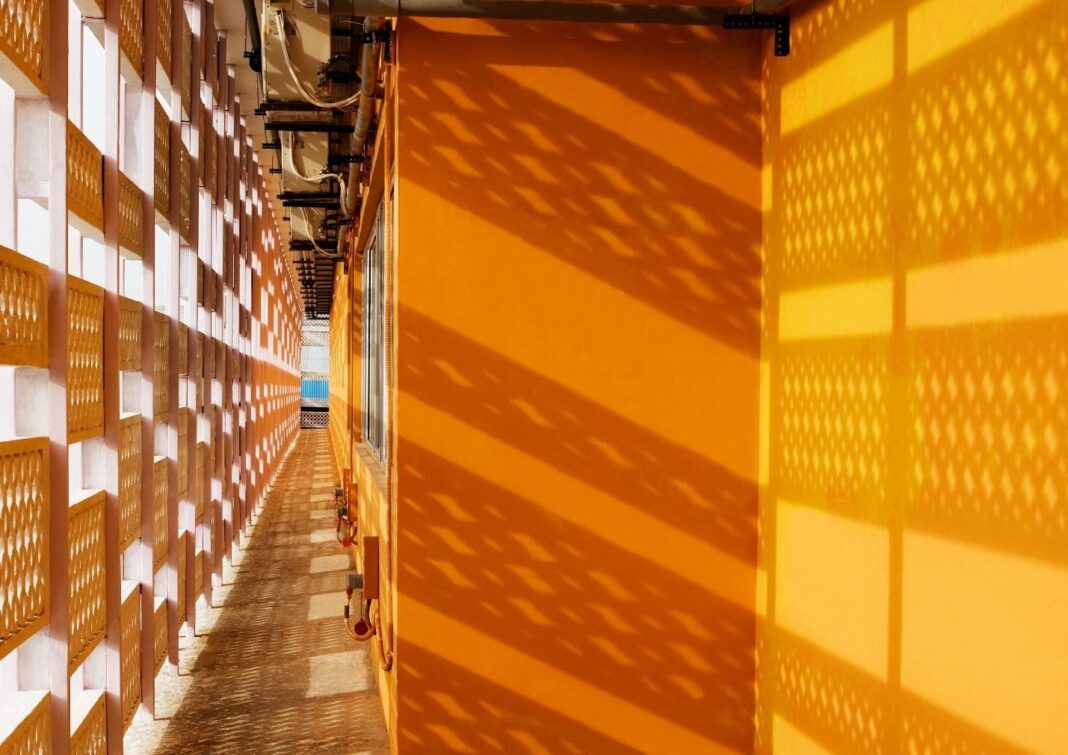
- Jali screens allow airflow while reducing heat gain, glare, and maintaining privacy
- Thick stone and adobe walls act as thermal mass to regulate indoor temperatures
- High ceilings in traditional homes help hot air rise and improve cooling
- Verandahs and shaded corridors reduce direct solar heat entering living spaces
- Water bodies like stepwells and courtyard ponds help in evaporative cooling
- Small, strategically placed windows minimize heat gain in hot-dry regions
- Earth-sheltered or semi-buried structures improve thermal stability
- Use of locally available materials reduces environmental impact and improves climate response
Modern architects are now combining these traditional passive strategies with contemporary technologies such as advanced glazing, insulation systems, and smart shading solutions to create energy-efficient buildings.
Government initiatives and green building certifications are also promoting the adoption of passive design across residential and commercial projects, making it a key part of sustainable construction in India.
Future of Passive Design
With the rise of climate change concerns and energy shortages, passive design is becoming increasingly important. Emerging trends include:
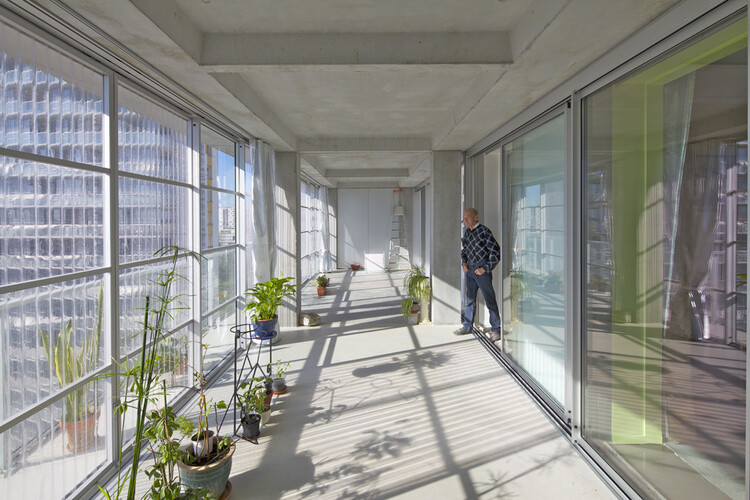
- Integration with smart building technologies
- Use of advanced simulation tools for design optimization
- Hybrid systems combining passive and active strategies
- Net-zero and energy-positive buildings
Passive design is no longer optional—it is becoming a necessity for sustainable development.
Conclusion
Passive design techniques offer a powerful, cost-effective way to enhance energy efficiency in buildings. By harnessing natural resources and aligning design with climate conditions, architects can create spaces that are comfortable, sustainable, and environmentally responsible.
As the construction industry moves toward greener practices, passive design will play a central role in shaping the future of architecture. Whether through improved orientation, natural ventilation, or smart material choices, these strategies demonstrate that sustainability begins at the design stage itself.
Image Credit: morphogenesis.org, archdaily.com, futurearchitectureplatform.org, hmcarchitects.com