
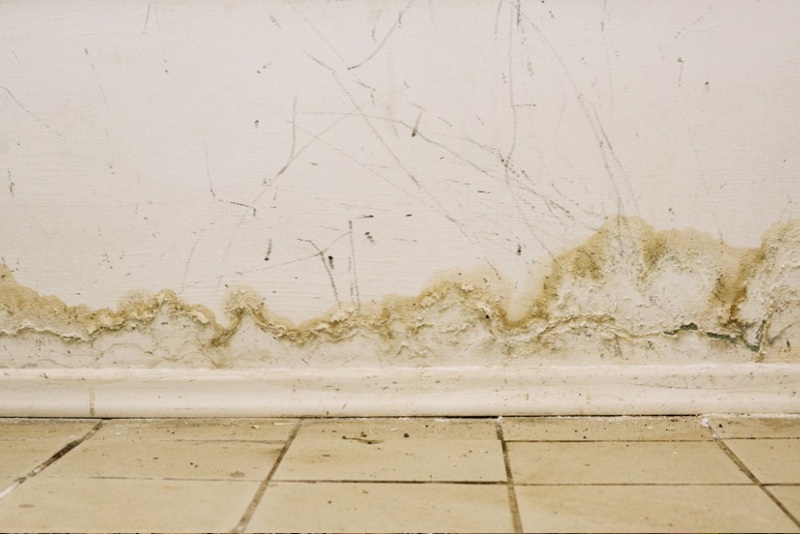
Floodwater does not stop causing damage when the water disappears. Moisture stays trapped inside walls, flooring, insulation, and air systems long after visible drying begins.
That hidden moisture creates the perfect environment for mold growth. Fast remediation helps control contamination before structural damage and indoor air quality problems spread further.
Why Mold Develops Quickly After Flooding
Flooding creates moisture conditions mold spores need to grow. Companies offering mold remediation Henderson, NV respond quickly because delayed drying often leads to contamination inside hidden building materials.
- Wet drywall absorbs moisture rapidly
- Insulation traps water deep inside walls
- Humidity rises throughout the property
- Organic materials support mold growth
- Poor ventilation slows evaporation
- Hidden moisture spreads behind surfaces
- Delayed cleanup increases contamination risks
Common Areas Where Mold Spreads After Flooding
Floodwater rarely damages only one visible surface. Moisture travels through structures faster than many property owners expect.
1. Behind Drywall and Wall Cavities
Drywall absorbs water quickly because of its porous structure. Once moisture enters wall cavities, airflow becomes limited and drying slows significantly.
Hidden dampness creates ideal growth conditions. Wall cavity moisture often remains unnoticed until staining, odors, or structural deterioration appear later.
2. Under Flooring Materials
Water moves beneath flooring within hours. Carpet padding, laminate seams, and hardwood planks trap moisture underneath the visible surface.
Subfloors often stay wet long after cleanup begins. Trapped floor moisture can lead to swelling, separation, and microbial contamination below finished materials.
3. Inside HVAC Systems
Flooding and high humidity affect indoor air systems. Moisture inside ducts and vents allows spores to circulate throughout the building quickly.
This increases contamination across unaffected rooms. Airborne mold particles can spread through ventilation systems if remediation starts too late.
4. Around Insulation Materials
Insulation holds moisture for long periods because airflow remains limited inside enclosed walls and ceilings after water exposure.
Wet insulation loses effectiveness and supports contamination growth. Saturated insulation often requires removal to prevent ongoing moisture retention.
5. Ceiling Cavities and Attics
Roof leaks and upper floor flooding may trap water above ceilings. Moisture slowly spreads through insulation, joists, and hidden overhead spaces.
These areas are difficult to inspect visually. Overhead moisture buildup can remain active long after surface drying appears complete.
6. Around Wood Framing
Wood framing absorbs moisture during flooding events. Prolonged exposure causes swelling, weakening, and conditions favorable for microbial activity.
Professional drying helps stabilize structural materials. Moisture saturated wood becomes harder to restore when remediation is delayed too long.
Health Risks Linked to Mold Exposure After Flooding
Mold affects more than building materials. Indoor exposure may create health concerns, especially for people with respiratory conditions or allergies.
The CDC and EPA both warn against prolonged exposure inside contaminated environments.
1. Respiratory Irritation
Mold spores affect breathing quality indoors. Some occupants experience coughing, throat irritation, congestion, or sinus discomfort after exposure.
These symptoms often worsen in poorly ventilated spaces. Indoor air contamination becomes more severe as mold colonies continue spreading unchecked.
2. Increased Allergy Symptoms
Flood related mold exposure may trigger allergic reactions in sensitive individuals. Sneezing, watery eyes, and skin irritation are common complaints.
Spores remain airborne during active contamination. Allergen exposure increases when mold disturbed during cleanup spreads through indoor spaces.
3. Asthma Complications
People with asthma often react more strongly to microbial contamination. Damp environments may increase breathing difficulties and respiratory stress.
The EPA recommends immediate moisture control after flooding. Asthma sensitivity often worsens when contaminated materials remain untreated indoors.
4. Risks for Children and Older Adults
Young children and older adults may experience stronger reactions because of weaker immune or respiratory systems during prolonged exposure periods.
Flood damaged homes create unpredictable indoor conditions. Vulnerable occupants require safer indoor environments during restoration and remediation work.
5. Exposure to Contaminated Floodwater
Floodwater itself may contain bacteria, sewage, chemicals, or debris depending on the source and surrounding environmental conditions.
This contamination increases microbial risks inside buildings. Unsanitary water exposure requires specialized remediation and protective safety procedures during cleanup.
6. Long Term Indoor Air Quality Problems
Moisture problems that remain unresolved often create persistent odors and recurring mold growth months after the original flooding event.
This affects comfort and property value. Lingering contamination becomes harder and more expensive to remove once colonies spread extensively.
Why Immediate Mold Remediation Matters After Flooding
Timing changes the outcome of water and mold related losses. Fast remediation limits damage before contamination spreads deeper into the structure.
1. Rapid Moisture Removal Stops Growth
Mold needs moisture to survive. Professional drying systems lower humidity and remove trapped moisture from structural materials quickly.
Industrial equipment speeds up stabilization. Humidity reduction interrupts the conditions mold requires for continued growth and spread.
2. Containment Prevents Cross Contamination
Remediation teams isolate affected areas using containment barriers and negative air pressure systems during cleanup procedures.
This prevents spores from spreading elsewhere indoors. Containment procedures help protect unaffected rooms from secondary contamination during restoration.
3. Air Filtration Improves Indoor Safety
HEPA filtration systems capture airborne particles released during demolition and remediation activities inside contaminated environments.
Air filtration protects occupants and workers. HEPA air scrubbing improves indoor conditions while active mold remediation work continues.
4. Damaged Materials Are Removed Safely
Some materials cannot be restored after extensive contamination. Porous materials may require controlled removal to eliminate active growth sources.
Technicians follow IICRC remediation standards carefully. Controlled demolition reduces unnecessary exposure during the cleanup process.
5. Moisture Testing Verifies Drying Progress
Professional remediation teams monitor moisture levels throughout the drying process using specialized detection and measurement tools.
This confirms proper stabilization before repairs begin. Moisture verification helps reduce the chance of recurring contamination after restoration work.
6. Reconstruction Starts Faster
Early remediation allows rebuilding work to begin sooner because contractors are not dealing with active contamination or hidden moisture problems later.
Many property owners rely on United Water Restoration Group of Henderson to stabilize structures before repairs move forward. Restoration planning becomes easier when contamination is addressed early.
Additional Benefits of Professional Mold Remediation
Professional remediation does more than remove visible growth. The process protects structural integrity, indoor safety, and long term property conditions.
1. Faster Recovery After Flooding
Flood losses already disrupt daily life. Delayed cleanup extends downtime and increases restoration complexity across the property.
Professional response teams streamline recovery. Efficient remediation helps occupants return to safer indoor conditions sooner.
2. Better Documentation for Insurance Claims
Insurance providers often require detailed records of moisture conditions, affected materials, and remediation procedures during flood related claims.
Professional documentation supports claim clarity. Loss documentation helps reduce confusion during insurance review and restoration planning.
3. Reduced Structural Damage
Moisture weakens materials over time. Delayed remediation often increases repair costs because more structural components become unsalvageable.
Fast action limits deeper deterioration. Structural preservation improves when drying and remediation begin immediately after flooding.
4. Better Odor Control
Persistent moisture often creates musty indoor odors. Those odors usually signal hidden contamination inside walls, flooring, or ventilation systems.
Professional drying addresses moisture sources directly. Odor reduction improves once contaminated materials and trapped humidity are removed properly.
5. Safer Cleanup Procedures
Flood related contamination may expose occupants to bacteria, debris, or microbial growth during cleanup if safety steps are ignored.
Professional teams use protective equipment and containment methods. Safe remediation practices reduce unnecessary exposure during restoration work.
6. Long Term Prevention Strategies
Professional remediation teams often identify drainage, ventilation, or humidity issues contributing to recurring moisture problems inside buildings.
Addressing those conditions reduces future risks. Preventive moisture control helps property owners avoid repeated contamination after repairs finish.
What Property Owners Should Do Immediately After Flooding
Quick decisions help reduce contamination risks before professional crews arrive at the property. Early action also helps limit moisture spread, protects unaffected materials, and creates a safer environment for both occupants and restoration teams during the cleanup process.
- Shut off water sources if possible
- Avoid entering unsafe flooded areas
- Remove valuables from wet spaces
- Increase airflow when conditions allow
- Document visible damage with photos
- Avoid disturbing visible mold growth
- Contact remediation professionals quickly
Conclusion
Flooding creates the perfect conditions for mold growth when moisture remains trapped inside building materials for too long. Fast remediation limits contamination, protects indoor air quality, and reduces long term structural damage before the situation becomes harder to control. Immediate mold remediation helps property owners recover more safely while supporting cleaner indoor environments and more efficient restoration after serious water damage.






