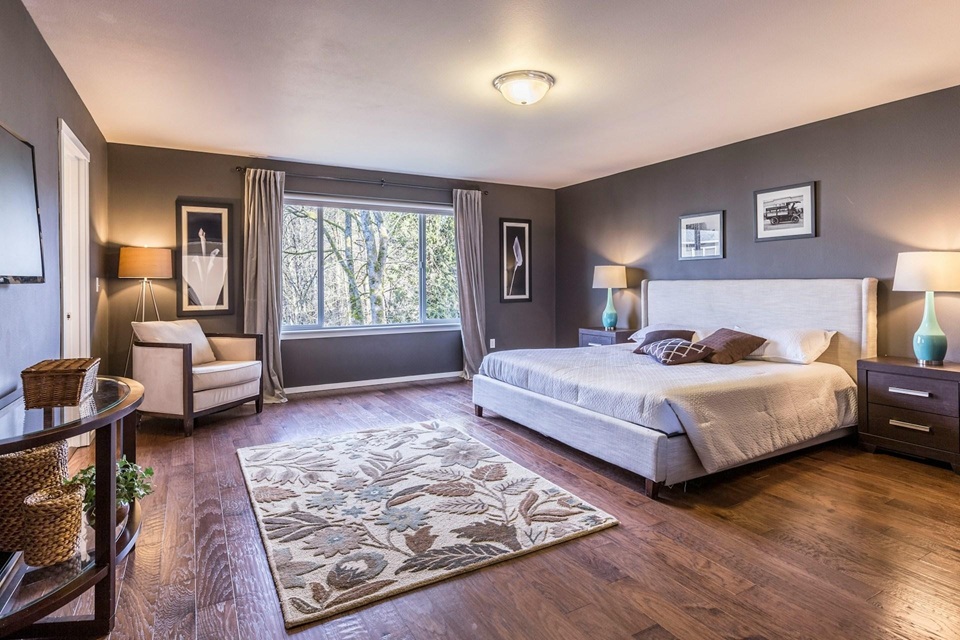
Choosing a rug involves many decisions that are easy to see, like color, pattern, size, and how it fits with the rest of the room. But texture is the characteristic that determines how the rug actually lives in the space, how it feels underfoot every morning, how it holds up to a household that actually uses it, and how much effort it takes to keep it looking the way it did on day one.
Getting the texture right means thinking about both comfort and cleanability at the same time, because those two qualities are more connected than most people realize when they are standing in a showroom running their hand across a sample.
What Rug Texture Actually Means
The texture of a rug refers to the construction of the pile, the surface layer of fibers that a person sees and touches. Pile height, fiber type, and the way the rug is woven or tufted all contribute to the overall texture. A high-pile shag rug and a flat-weave kilim are both rugs, but they behave in entirely different ways when it comes to comfort, durability, and maintenance.
Low-Pile Rugs
Low-pile rugs have a flat, dense surface with short fibers. They are easy to vacuum, resist trapping dirt and debris, and hold up well in high-traffic areas. The trade-off is that they offer less cushioning underfoot and a more utilitarian feel than their higher-pile counterparts.
Medium-Pile Rugs
Medium-pile rugs strike a balance that works well in most living spaces. They offer enough softness to feel comfortable underfoot without the maintenance demands of a deep pile. For households with kids or pets, a medium pile tends to be the practical sweet spot.
High-Pile Rugs
High-pile and shag rugs offer the most luxurious underfoot experience available in rug form. Sinking into a thick, plush pile feels genuinely different from walking across a flat weave, and in the right space, that softness adds a real sensory warmth to a room.
The trade-off is maintenance. Deep-pile traps dirt, crumbs, pet hair, and debris far more readily than shorter pile, and vacuuming requires more effort and more frequent passes to keep it clean.
How Fiber Type Interacts With Texture
Pile height tells part of the texture story. Fiber type tells the rest. The material a rug is made from affects how the pile feels, how it responds to foot traffic over time, and critically, how it handles spills and cleaning.
Wool Rugs
Wool rugs have a natural resilience that allows the fibers to spring back after compression. They feel substantial underfoot, hold their texture well over years of use, and have a natural resistance to soiling. The trade-off is that wool requires more careful cleaning and doesn’t always respond well to harsh cleaning products or excessive moisture.
Synthetic Rugs
Synthetic fibers like polypropylene and nylon are engineered for durability and stain resistance. They can mimic the softness of natural fibers reasonably well, and they handle spills and cleaning far more forgivingly. For households where cleanability is a primary concern, a well-constructed synthetic rug often outperforms natural fiber options in practical day-to-day use.
Cotton Rugs
Cotton rugs tend to be flat or low-pile and are among the easiest to clean, with many being machine washable. The comfort level is more modest than wool or thick synthetic pile, but the maintenance simplicity is hard to beat.
Washable Rugs
The maintenance conversation has shifted considerably in recent years as washable rugs have become more widely available and far better looking than their early iterations. The original washable rug was a purely functional object. The current generation combines genuine design quality with the practical reality that a rug in a lived-in home is going to encounter spills, tracked-in dirt, and the general chaos of daily life.
For households with young children, pets, or simply a preference for low-maintenance home goods, a washable rug or home textiles that are built for real life represent a meaningful upgrade over the traditional choice between a beautiful rug that is difficult to clean and an easy-to-clean rug that sacrifices style.
Matching Texture to the Room
Different rooms make different demands on a rug. An entryway or kitchen needs something flat, durable, and easy to wipe down. A living room can support more softness and visual texture since foot traffic is moderate and the goal is comfort as much as function. A bedroom is where high pile and plush texture genuinely earn their place, since the floor contact there is often bare feet first thing in the morning.
Thinking through those room-specific demands before choosing a texture saves a significant amount of frustration later. A rug that feels like a wonderful choice in the store can become a maintenance burden in the wrong location. Matching the texture to the actual conditions of the space is the decision that holds up over time.