
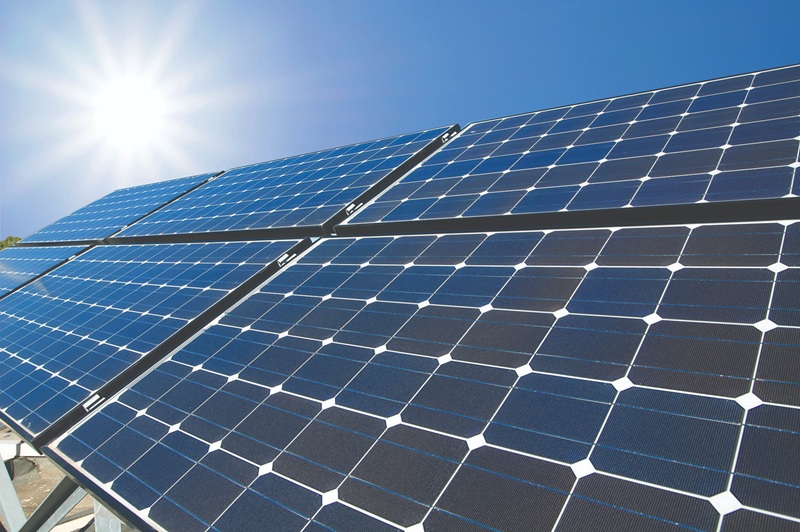
The integration of solar energy into building construction and facility management has moved well beyond the pilot project phase. Across commercial, industrial, and institutional sectors, solar is now being incorporated into facility design as a functional infrastructure component, not a sustainability add-on. For construction professionals and facility managers, understanding how solar fits into the broader built environment is becoming an essential part of delivering and operating high-performance buildings.
The drivers are both regulatory and economic. Green building certification frameworks, including LEED and BREEAM, reward on-site renewable energy generation with credits that meaningfully influence project scoring. Local building codes in many major markets have begun mandating solar readiness or solar installation on new construction above certain thresholds. And the operating cost benefits of solar are increasingly being modeled in building proformas and facility energy budgets, shifting the conversation from capital expenditure to long-term asset performance.
Solar in the Construction Workflow
For construction teams, the most significant shift in recent years has been the move toward treating solar as a systems integration challenge rather than a subcontractor add-on. When solar is coordinated through the design-build process from the outset, structural, electrical, and envelope teams can optimize their work around the solar installation rather than accommodating it after the fact.
Roof structure is one of the most common coordination points. Standard commercial roof designs may not account for the additional dead load of a rooftop solar array, which typically adds three to five pounds per square foot depending on system density and racking type. Identifying this early allows structural engineers to incorporate the load into their calculations without costly redesign or post-construction reinforcement.
Electrical infrastructure is another major coordination area. A commercial solar system requires a dedicated interconnection point with the building’s main electrical panel, appropriate conduit routing, and in many cases a utility interconnection agreement that must be applied for and approved before the system can be energized. Construction teams that initiate the utility interconnection process early avoid the common frustration of a completed solar installation that cannot be activated because the utility application is still in review.
For large-scale projects, building information modeling (BIM) has become a valuable tool for solar integration. Embedding the solar array into the BIM model allows design teams to identify conflicts with mechanical equipment, HVAC penetrations, and fall protection systems before construction begins. Several major solar installers now offer BIM-compatible system models that can be imported directly into standard design software, streamlining this coordination process.
Facility Management Implications
For facility managers inheriting a solar-equipped building, understanding the system’s capabilities and maintenance requirements is as important as understanding any other major building system. A commercial solar installation includes the panels themselves, the racking and mounting hardware, one or more inverters, a monitoring system, and the electrical connection to the building’s distribution panel. Each component has its own maintenance schedule and performance indicators that should be incorporated into the facility’s preventive maintenance program.
Inverters are the component most likely to require attention during a system’s operational life. String inverters typically carry 10-year warranties and may need replacement before the panels themselves reach the end of their useful life. Microinverters and power optimizers, used in systems where shading or complex roof geometry is a factor, generally carry longer warranties but represent a higher per-watt cost at installation. Facility managers should ensure they have clear documentation of the inverter type, warranty terms, and manufacturer support contact for any solar installation in their portfolio.
Monitoring is one of the most valuable tools available to facility managers overseeing solar assets. Most modern systems include real-time production monitoring that allows facility teams to track daily, monthly, and annual generation, compare actual production to modeled projections, and identify performance issues at the panel or string level. A system producing consistently below its modeled output may indicate a soiling issue, shading from new vegetation or equipment, a failing inverter, or a wiring fault — all of which are addressable if caught early.
Andrew Hoesly, General Manager of SolarTech, said, “The facility managers who get the most value from their solar assets are the ones who treat the system like any other major building infrastructure. That means understanding what normal performance looks like, having a maintenance plan in place, and knowing who to call when something falls outside of expected parameters. Solar is a remarkably low-maintenance technology, but low maintenance is not the same as no maintenance.”
Looking Ahead: Solar and the Energy-Resilient Facility
The next significant evolution in commercial and institutional solar is the integration of battery storage into facility energy management strategies. Solar-plus-storage systems allow facilities to capture excess daytime solar generation, store it, and deploy it during peak rate periods or grid outages. For facilities with critical operations, manufacturing processes, or data infrastructure that cannot tolerate power interruptions, storage-backed solar represents a meaningful step toward energy resilience.
Industry guidance from organizations like the U.S. Green Building Council increasingly reflects the growing role of on-site renewable generation in high-performance building certification. For construction and facility management professionals, staying current with these standards is as important as understanding the technology itself.
As energy costs continue to rise and grid reliability becomes a more prominent concern for facility operators, solar’s role in the built environment will only expand. For construction and facility management professionals, the question is no longer whether solar belongs in high-performance buildings. It is how to integrate it most effectively from the first day of design through the full operational life of the asset.






