
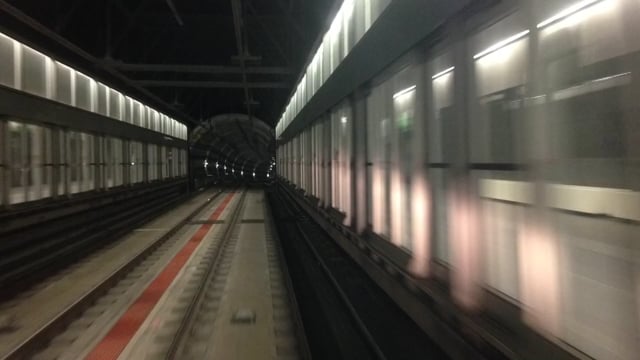
The Assam Government has announced plans to explore the feasibility of developing a metro rail system alongside the proposed 121-km Guwahati Ring Road. The initiative aims to integrate mass rapid transit with one of the state’s largest road infrastructure projects, supporting long-term urban mobility and planned expansion of the city.
Presenting the Assam Budget in the State Assembly, Finance Minister Jayanta Malla Baruah stated that the government will commission a detailed feasibility study to assess the technical, financial, and operational viability of introducing a metro corridor along or above the proposed Ring Road. The study will evaluate whether the project can be integrated into the road network during the planning and construction stages.
The proposed metro system forms part of the government’s broader vision to improve transportation infrastructure while encouraging the development of satellite townships around Guwahati. By extending urban growth beyond the existing city limits, the government aims to reduce congestion in the city centre and promote balanced regional development.
The Guwahati Ring Road project is a major infrastructure initiative designed to improve connectivity across the region. It includes a 55-km greenfield northern bypass, a six-lane, 3-km bridge across the Brahmaputra River, and the widening of National Highway-27 to six lanes. These components are expected to ease traffic movement, reduce travel time, and strengthen connectivity between different parts of the city and surrounding areas.
Integrating a metro corridor with the Ring Road is expected to create a multimodal transport network that combines road and rail infrastructure. Planning both projects together could improve transport efficiency, provide better public transit options, and support the city’s future mobility requirements as population and economic activity continue to grow.
The proposed feasibility study will determine the practicality of the metro project, including alignment options, construction requirements, investment needs, and expected passenger demand. Based on the findings, the government will decide the next course of action for implementing the integrated transport network.






