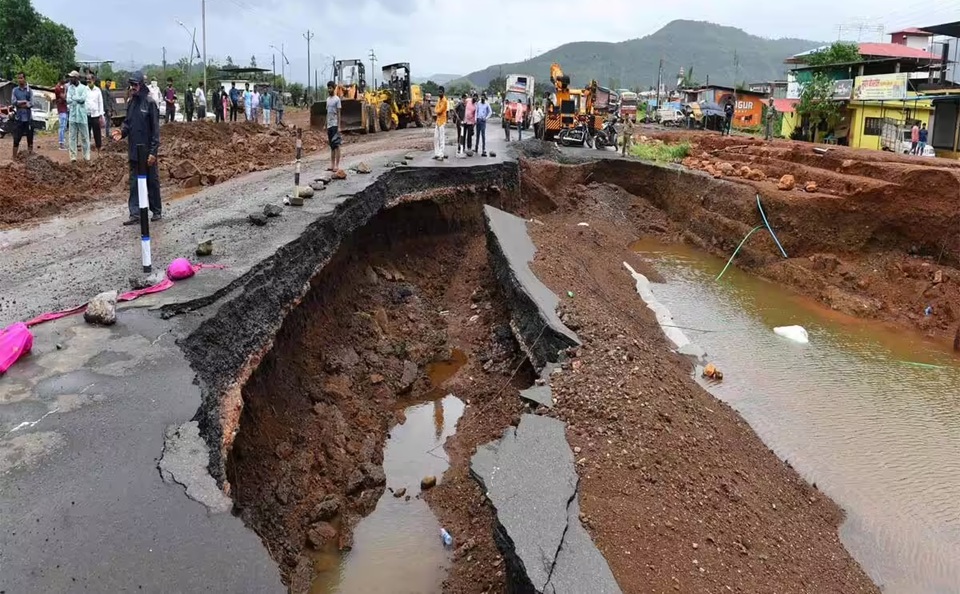
Floods are among the most destructive natural disasters affecting transportation infrastructure. Roads, highways, bridges, and pavements often suffer severe damage due to prolonged water exposure, erosion, washouts, and weakening of the subgrade. Flood-damaged roads not only disrupt transportation and economic activities but also create safety hazards for commuters and emergency services. Effective road repair techniques are essential to restore connectivity, improve durability, and reduce the risk of future failures.
Modern road rehabilitation methods combine engineering assessment, drainage improvement, pavement restoration, and resilient construction materials to ensure long-term performance. Proper repair strategies with right equipments can significantly extend pavement life while reducing maintenance costs.
Causes of Flood Damage in Roads
Floodwater affects roads in several ways depending on the pavement type, traffic load, soil condition, and drainage efficiency. The major causes of road deterioration after floods include:
- Saturation of pavement layers
- Weakening of subgrade soil
- Erosion of shoulders and embankments
- Scouring around culverts and bridges
- Pothole formation
- Cracking and rutting
- Surface stripping and loss of aggregates
- Collapse of drainage systems
Continuous water infiltration reduces the load-bearing capacity of the pavement structure and accelerates pavement distress.
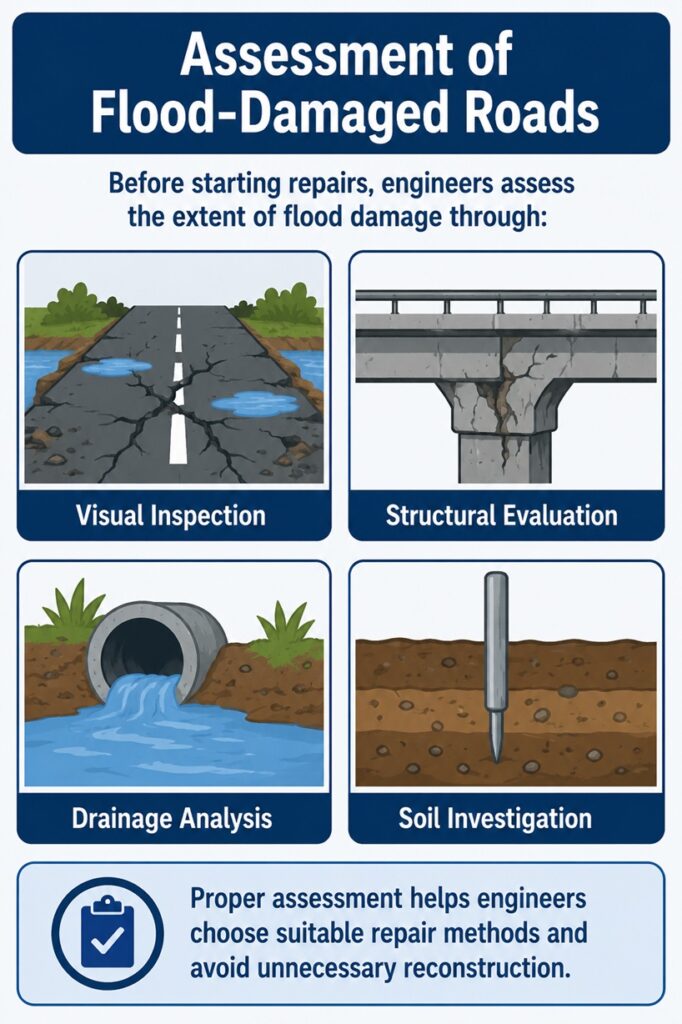
Repair Techniques
Immediately after flooding, temporary repairs are carried out to restore traffic movement and improve safety.
Pothole Patching
Floodwater commonly creates potholes by weakening asphalt layers. Temporary patching involves:
- Cleaning loose debris
- Filling potholes with cold mix asphalt
- Compacting the material properly
Permanent patching later replaces damaged sections with hot mix asphalt.
Gravel Backfilling
- Restoring washed-out shoulders
- Stabilizing embankments
- Using gravel or crushed stone for temporary support
Sandbag Protection
- Preventing further erosion
- Protecting vulnerable road sections
- Reducing additional flood impact
Temporary Drainage Channels
- Diverting water away from pavements
- Reducing further deterioration
- Improving water flow during emergency conditions
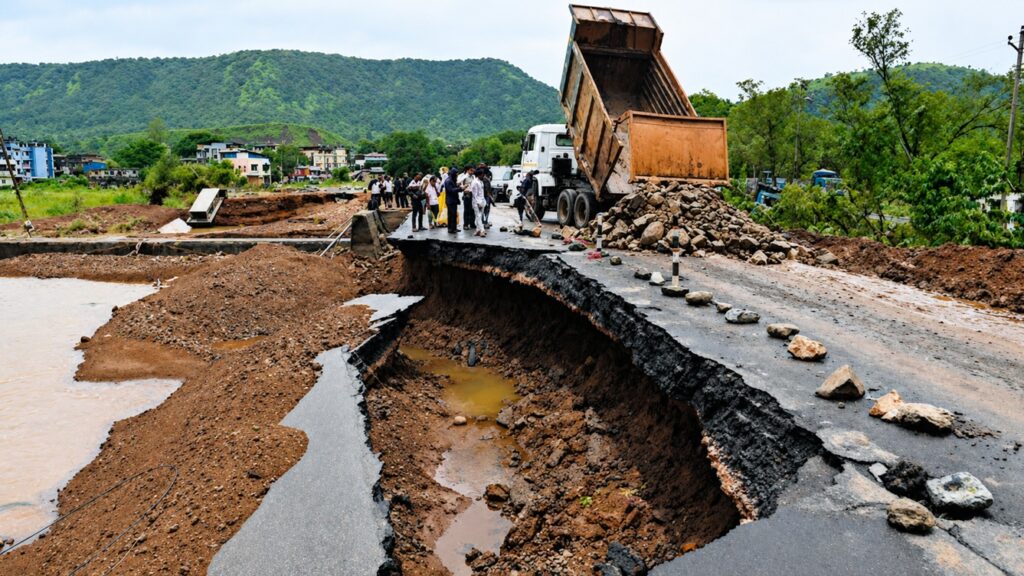
Permanent Flood-Damaged Road Repair Techniques
Long-term rehabilitation focuses on restoring structural integrity and improving flood resilience.
Full-Depth Reconstruction
Severely damaged roads often require complete reconstruction. This process includes:
- Removal of damaged pavement layers
- Excavation of weak subgrade soil
- Replacement with stabilized material
- Construction of new pavement layers
Advantages
- Restores full structural capacity
- Improves drainage performance
- Extends pavement life significantly
Limitations
- Expensive process
- Time-consuming construction
- Traffic disruptions during repairs
Partial-Depth Repair
When damage is limited to the upper pavement layer, partial-depth repair is used.
Procedure
- Remove deteriorated asphalt or concrete
- Clean the repair area
- Apply bonding material
- Place fresh repair mix
- Compact properly
This method restores ride quality and prevents further moisture intrusion.
Mill and Overlay
Milling removes the damaged surface layer, after which a new asphalt overlay is applied.
Benefits
- Restores smoothness
- Improves skid resistance
- Enhances waterproofing
- Extends pavement life
Mill and overlay is suitable where the pavement base remains structurally sound.
Crack Sealing
Floodwater enters pavements through cracks, weakening the base layers. Crack sealing prevents moisture penetration.
Process
- Clean cracks thoroughly
- Apply hot rubberized sealant
- Compact sealant into cracks
Crack sealing is a cost-effective preventive maintenance technique.
Subgrade Stabilization
Flooding weakens soil beneath the pavement. Stabilization techniques improve soil strength and durability.
Common Stabilization Methods
Lime Stabilization
- Reduces soil plasticity
- Improves strength in clayey soils
Cement Stabilization
- Increases bearing capacity
- Enhances moisture resistance
Fly Ash Stabilization
- Improves soil performance economically
- Utilizes industrial by-products effectively
Geotextile Reinforcement
- Separates weak soil from aggregates
- Improves load distribution
These methods significantly improve pavement resilience in flood-prone regions.
Drainage Improvement Techniques
Proper drainage is the most important factor in preventing future flood damage.
Side Drains
- Carry stormwater away from pavements
- Reduce water accumulation
Culvert Installation
- Allow water to pass beneath roadways safely
- Prevent overtopping of roads
Subsurface Drainage
- Remove trapped water within pavement layers
- Improve pavement durability
Cross Drainage Structures
- Improve water flow across road corridors
- Reduce flooding risks
Slope Protection
- Prevent erosion of embankments
- Stabilize roadside slopes
Improved drainage reduces water accumulation and increases pavement life.
Erosion Control Measures
Floodwater can erode road shoulders and embankments rapidly.
Riprap Protection
- Large stones resist erosion
- Protect embankments from flowing water
Retaining Walls
- Stabilize slopes
- Prevent structural collapse
Gabion Walls
- Flexible erosion control systems
- Wire mesh cages filled with stones
Vegetative Stabilization
- Grass and plants bind soil
- Reduce runoff velocity
These measures protect roads from future flood-induced failures.
Concrete Pavement Restoration
Concrete roads damaged by floods can often be repaired rather than fully replaced.
Techniques Include
- Slab stabilization
- Dowel bar retrofitting
- Diamond grinding
- Joint resealing
These methods restore ride quality and structural performance economically.
Cold In-Place Recycling
This sustainable rehabilitation method reuses existing pavement material.
Process
- Mill existing asphalt
- Mix with stabilizing agents
- Relay and compact recycled material
- Apply new surface treatment
Cold in-place recycling reduces construction costs and material consumption.
Hot In-Place Recycling
This technique heats and rejuvenates the existing asphalt surface before re-compaction.
Benefits
- Fast construction
- Reduced waste generation
- Improved pavement profile
- Cost-effective rehabilitation
It is suitable for roads with moderate flood-related surface damage.
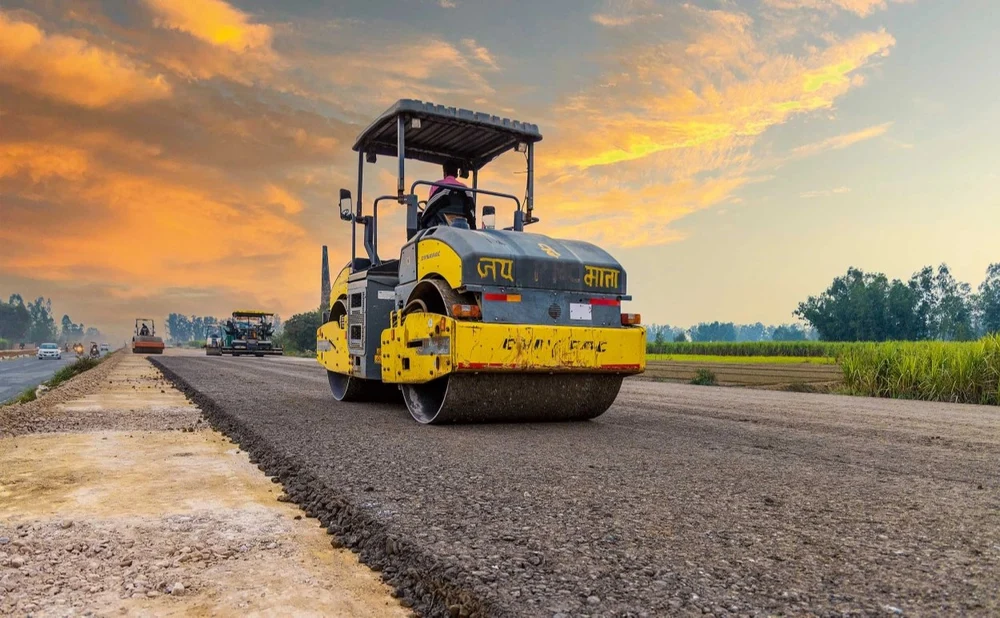
Equipment Used in Flood-Damaged Road Repairs
- Various construction equipment and machinery are used in flood-damaged road repair works to improve speed, quality, and efficiency. The type of equipment used depends on the extent of damage and the repair method adopted.
Excavation Equipment
- Excavators – Used for removing damaged pavement, debris, and weak soil layers.
- Backhoe Loaders – Suitable for digging, trenching, and loading materials in confined areas.
Earthmoving Equipment
- Bulldozers – Used for clearing mud, leveling surfaces, and pushing fill material.
- Motor Graders – Help in shaping road surfaces and maintaining proper slope and alignment.
Material Handling Equipment
- Wheel Loaders – Used for loading aggregates, gravel, and construction materials.
- Dump Trucks – Transport debris, asphalt, soil, and aggregates to and from the site.
Compaction Equipment
- Vibratory Rollers – Compact soil, gravel, and asphalt layers to improve pavement strength.
- Pneumatic Rollers – Provide smooth and uniform asphalt compaction.
- Plate Compactors – Used in narrow areas near drains and shoulders.
Asphalt Repair Equipment
- Asphalt Pavers – Lay asphalt evenly on repaired road sections.
- Milling Machines – Remove damaged asphalt layers before resurfacing.
- Bitumen Sprayers – Apply tack coat and bitumen for proper bonding between layers.
Concrete Repair Equipment
- Concrete Mixers – Prepare concrete for road slabs, drains, and culverts.
- Concrete Cutters – Cut damaged pavement sections accurately for repair work.
Drainage Equipment
- Dewatering Pumps – Remove stagnant water from flooded road sections.
- Jetting Machines – Clean blocked drains and culverts.
Soil Stabilization Equipment
- Soil Stabilizers – Mix cement or lime into weak soil to improve strength.
- Reclaimers – Recycle damaged pavement materials during rehabilitation.
Conclusion
Flood-damaged roads require immediate attention and scientifically planned rehabilitation techniques to restore safe transportation. Effective repair strategies include pothole patching, full-depth reconstruction, drainage improvement, soil stabilization, erosion control, overlays, and pavement recycling. Among all solutions, proper drainage and preventive maintenance remain the most critical factors in reducing future flood damage.
Modern engineering practices increasingly focus on climate resilience, sustainable materials, and smart monitoring technologies to improve roadway performance under extreme weather conditions. By adopting resilient repair methods and proactive maintenance programs, transportation agencies can enhance road durability, reduce lifecycle costs, and ensure uninterrupted mobility during future flood events.
Image Credit: timesofindia.indiatimes.com, hindustantimes.com,