
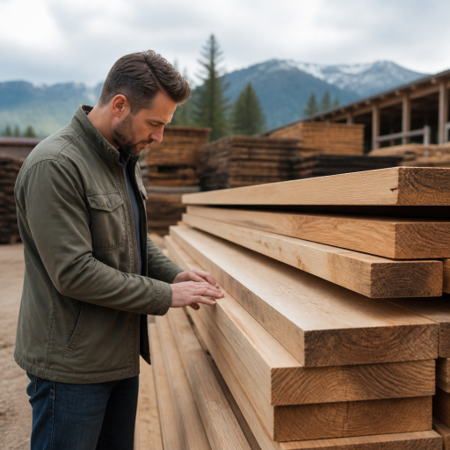
Choosing the right lumber for outdoor construction projects requires careful consideration of multiple factors including durability, aesthetic appeal, environmental resistance, and long-term maintenance requirements. Whether planning a deck, fence, pergola, or architectural accent piece, the wood species and grade you select will significantly impact both the immediate appearance and lasting performance of your project. Understanding the characteristics of different lumber options empowers homeowners and contractors to make informed decisions that balance budget constraints with quality expectations.
Understanding Wood Species for Exterior Applications
Different wood species offer distinct advantages for outdoor use. Cedar stands out as a premium choice due to its natural resistance to decay, insects, and moisture damage. The aromatic oils within cedar act as natural preservatives, allowing the wood to withstand harsh weather conditions without chemical treatment. Redwood shares similar decay-resistant properties and offers a rich, distinctive color that weathers gracefully over time. Pressure-treated pine provides a more economical alternative, having undergone chemical treatment to enhance its durability against rot and insect infestation.
Tropical hardwoods such as ipe, cumaru, and tigerwood deliver exceptional density and longevity, often lasting decades with minimal maintenance. However, these exotic species command premium prices and require specialized tools for cutting and installation due to their extreme hardness. When sourcing materials for residential projects, working with a reputable building materials supplier ensures access to properly graded lumber that meets structural and aesthetic requirements while providing expert guidance on species selection based on your specific application and regional climate conditions.
Grading Systems and Quality Indicators
Lumber grading systems provide standardized classifications that indicate the quality, appearance, and structural integrity of wood products. For cedar and redwood, grading typically focuses on the presence of knots, grain consistency, and color uniformity. Clear or select grades feature minimal knots and offer the most refined appearance, making them ideal for highly visible applications where aesthetics matter most. Construction grades contain more knots and natural variations but remain structurally sound and cost-effective for projects where appearance is secondary.
Pressure-treated lumber follows different grading standards that emphasize structural performance over appearance. Stamps on treated lumber indicate the retention level of preservative chemicals, the approved uses (ground contact versus above-ground applications), and the treating company. Understanding these markings helps ensure you select lumber appropriate for your specific installation conditions, preventing premature failure due to inadequate protection levels.
Moisture Content and Dimensional Stability
Moisture content significantly affects lumber performance in outdoor settings. Freshly milled or green lumber contains substantial moisture that will dissipate over time, causing shrinkage, warping, and gaps between boards. Kiln-dried lumber undergoes controlled drying to reduce moisture content to optimal levels, typically between 12 and 15 percent for exterior applications. This pre-drying process minimizes dimensional changes after installation, resulting in more stable and predictable project outcomes.
Even kiln-dried lumber will respond to seasonal humidity fluctuations, expanding during wet periods and contracting in dry conditions. Proper installation techniques that account for natural wood movement help prevent structural stress and maintain visual appeal throughout the year. Allowing appropriate spacing between deck boards, for example, accommodates expansion while providing drainage channels that prevent water accumulation and accelerate drying after rainfall.
Architectural Applications Beyond Standard Decking
Premium lumber serves diverse architectural purposes that extend beyond traditional deck construction. Cedar window boxes represent one elegant application where the wood’s natural beauty and weather resistance combine to create functional decorative elements that enhance home exteriors. Pergolas, arbors, and privacy screens similarly benefit from carefully selected wood species that deliver both structural integrity and visual warmth. These architectural features create defined outdoor spaces while adding character and value to residential properties.
When incorporating wood into these specialized applications, attention to joinery, fastener selection, and finish treatments becomes paramount. Stainless steel or coated fasteners prevent unsightly rust stains that can develop when standard hardware reacts with moisture and tannins in the wood. Pre-drilling pilot holes reduces splitting, especially near board ends where the wood is most vulnerable. Applying appropriate finishes—whether transparent sealers, semi-transparent stains, or solid-color paints—provides additional protection while allowing the natural beauty of quality lumber to shine through.
Sustainability Considerations in Lumber Selection
Environmental consciousness increasingly influences lumber purchasing decisions. Certification programs such as the Forest Stewardship Council provide verification that wood products originate from responsibly managed forests where harvesting practices support long-term ecological health. Choosing certified lumber supports sustainable forestry while ensuring future availability of quality wood products. Domestic species like cedar and redwood harvested from North American forests often carry lower carbon footprints compared to tropical hardwoods that require international shipping.
Reclaimed and recycled lumber options offer another environmentally responsible alternative, repurposing wood from demolished structures or industrial applications. While these materials may require additional processing to remove fasteners and prepare surfaces, they provide unique character with weathered patinas and dimensional stability that only decades of seasoning can achieve. The growing availability of thermally modified wood—lumber treated through high-temperature processes that enhance durability without chemical preservatives—presents yet another sustainable option for environmentally conscious builders.
The Liberty Cedar Commitment to Quality Materials
Sourcing premium lumber requires partnerships with suppliers who understand both material science and practical construction requirements. Liberty Cedar has established itself as a trusted resource for contractors and homeowners seeking exceptional wood products for outdoor projects. Their inventory encompasses carefully selected cedar grades alongside complementary species, providing options that accommodate diverse aesthetic preferences and budget parameters. Beyond product availability, their team offers technical expertise that helps customers navigate species selection, grade comparisons, and application-specific recommendations.
The company’s commitment extends to maintaining proper storage conditions that preserve lumber quality from mill to job site. Climate-controlled facilities and covered storage areas protect inventory from weather exposure that could compromise moisture content or introduce defects. This attention to material handling ensures that customers receive lumber in optimal condition, ready for immediate installation without the delays and complications that can arise from improperly stored wood products.
Maintenance Strategies for Long-Term Performance
Even premium lumber requires appropriate maintenance to maximize lifespan and preserve appearance. Regular cleaning removes accumulated dirt, organic debris, and mildew that can trap moisture against wood surfaces and accelerate deterioration. Annual inspections identify emerging issues such as loose fasteners, developing cracks, or areas where finish protection has degraded, allowing for timely repairs before minor problems escalate into major structural concerns.
Reapplication of protective finishes according to manufacturer recommendations maintains the barrier that shields wood from UV radiation and moisture penetration. While naturally rot-resistant species like cedar can perform adequately without finish treatment, protective coatings significantly extend the period before weathering effects become visually apparent. Property owners must balance the desire for low-maintenance solutions with realistic expectations about how unprotected wood will age and the eventual maintenance requirements that all outdoor construction inevitably demands.
Investing in quality lumber from the outset establishes a foundation for outdoor projects that deliver satisfaction for years to come. By understanding species characteristics, grading standards, moisture considerations, and sustainability factors, you can make informed decisions that align with your project requirements and personal values. Whether constructing an expansive deck, adding decorative architectural elements, or building functional outdoor structures, selecting appropriate lumber ensures your investment yields beautiful, durable results that enhance your property and outdoor living experience.






