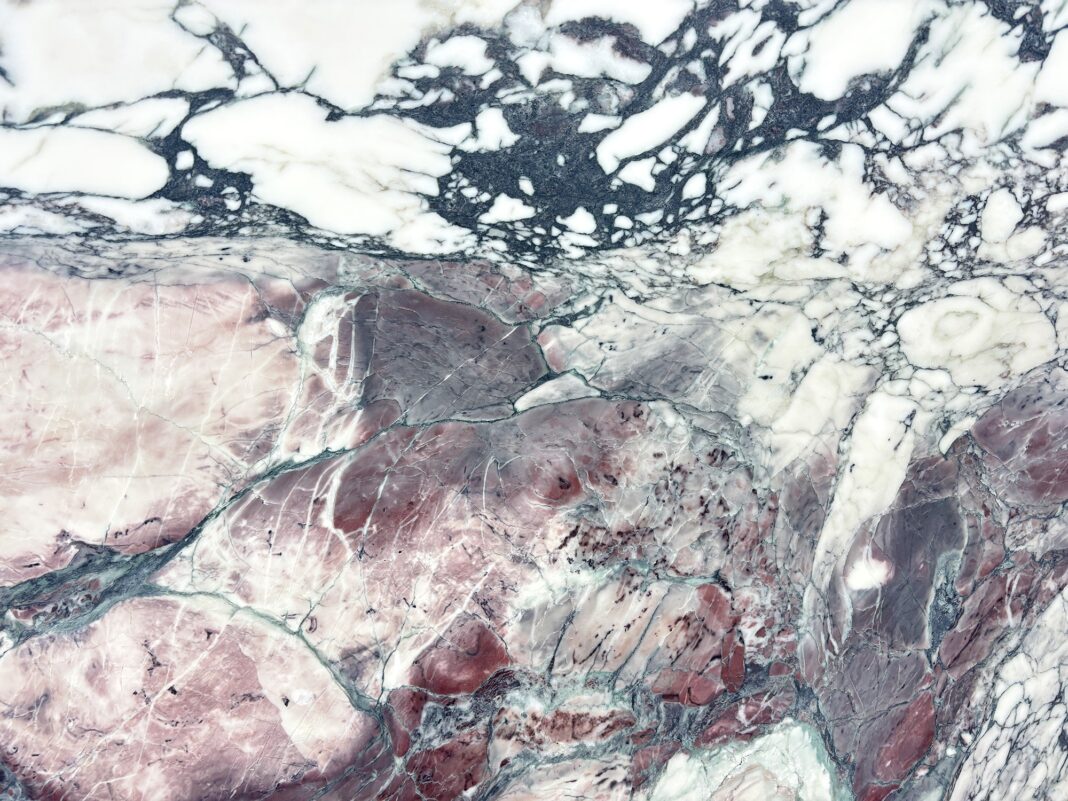
Natural stone has been a cornerstone of architectural excellence for centuries, and its role in modern Australian residential construction continues to grow. For builders, project managers, and specifiers working across Sydney and beyond, understanding how to select, source, and install natural stone is essential to delivering premium results that clients will appreciate for decades to come.
This guide covers the practical considerations behind three of the most common natural stone applications in today’s residential builds: marble slab selection, kitchen benchtops, and splashback installations.
Selecting & Sourcing Marble Slabs for Large-Scale Projects in Sydney
For any residential project where natural stone features prominently, sourcing the right material early in the construction timeline is critical. Marble remains one of the most sought-after materials in high-end Sydney builds, prized for its unique veining, luminous surface quality, and the sense of timeless sophistication it brings to a space.
When selecting marble slabs in Sydney for a large-scale project, builders should prioritise suppliers who stock full slabs on-site rather than relying solely on sample chips or digital imagery. Viewing slabs in person allows you to assess the true colour variation, veining pattern, and surface finish before committing to a purchase. This is especially important when a project calls for bookmatched slabs across a feature wall or island benchtop, where visual continuity between panels is essential.
Consider the following when sourcing marble for a residential build:
- Slab dimensions and yield: Standard marble slabs typically range from 2,900mm to 3,500mm in length and 1,650mm to 2,050mm in height, with thicknesses of 20mm being most common. Calculate your material requirements carefully, factoring in a wastage allowance of 15 to 20 percent to account for cutting, edge profiling, and any veining direction preferences.
- Finish selection: The finish you specify will affect both the aesthetic and the performance of the stone. Polished marble delivers a high-gloss, reflective surface that enhances colour depth and veining. Honed marble provides a softer, matte appearance that is well suited to contemporary interiors and tends to show fewer surface marks over time. Leathered finishes offer a textured feel that works beautifully in spaces where tactile quality matters.
- Lead times and logistics: Natural stone is a finite, natural product. Popular varieties can sell out quickly, particularly exclusive or limited-run slabs. For large-scale projects, it pays to lock in your stone selection early and coordinate delivery with your construction schedule to avoid costly delays.
Sydney’s position as a major hub for natural stone imports means that builders have access to marble sourced from renowned quarries in Italy, Greece, Spain, Turkey, and beyond. Working with a specialist supplier who handpicks slabs and maintains a well-stocked gallery ensures you are choosing from material that has already been vetted for quality, structural integrity, and visual appeal.
The Rise of Stone Kitchen Benchtops as the Premium Alternative
Over the past decade, natural stone has firmly established itself as the material of choice for premium kitchen benchtops across Australian residential projects. While engineered surfaces remain popular at certain price points, discerning homeowners and their designers increasingly prefer natural stone for one simple reason: no two slabs are alike. That uniqueness, combined with genuine durability, makes stone kitchen benchtops a compelling specification for any quality build.
The range of stone types available for benchtop applications has broadened significantly. Marble remains the classic choice, delivering elegance with its soft, gleaming surface and distinctive veining. Dolomite has emerged as a popular alternative that offers a marble-like aesthetic with enhanced hardness and improved resistance to etching. Quartzite provides exceptional durability in a wide spectrum of colours, from neutral creams and whites through to vivid blues, greens, and pinks. Granite, meanwhile, continues to be a reliable workhorse, offering superior heat and scratch resistance for kitchens that see heavy daily use.
For builders and project managers, there are several installation considerations worth noting when specifying natural stone benchtops:
- Structural support: Natural stone is heavier than most engineered alternatives. Ensure that cabinetry and supporting structures are designed to bear the load, particularly for large island benchtops or waterfall edges where the stone wraps from the horizontal surface down the sides.
- Templating accuracy: Always template after cabinetry installation is complete. Even small discrepancies between plans and as-built dimensions can result in ill-fitting stone, and recutting a natural slab is not always possible without compromising the veining pattern.
- Sealing requirements: All natural stone benchtops require sealing at installation, with resealing recommended every 12 to 18 months depending on the stone type and level of use. Brief your clients on this at handover to set clear maintenance expectations from the start.
- Coordination with fabricators: Establishing a relationship with a skilled stone fabricator early in the project ensures that edge profiling, cutouts for sinks and cooktops, and any mitred joins are executed to the highest standard.
Natural Stone Splashback Installation: Best Practices for Builders
A well-executed splashback can be the centrepiece of a kitchen, and natural stone is increasingly the material clients are requesting. Whether the brief calls for a subtle marble backdrop or a dramatic bookmatched quartzite feature, natural stone splashback installation requires careful planning, precise execution, and an understanding of how stone behaves in a kitchen environment.
- Material selection: The stone you choose for a splashback should complement the benchtop while also performing well in a zone exposed to heat, moisture, and cooking splashes. Marble and dolomite are popular choices for their refined aesthetic. Granite offers greater resistance to heat and staining. Onyx, when backlit, creates a striking statement feature but requires careful handling due to its translucent and more delicate composition.
- Clearance and compliance: Australian standards require a minimum clearance of 200mm between the nearest gas burner and any combustible splashback material. While natural stone itself is non-combustible, adhesives and substrates may have specific requirements. Confirm compliance with your certifier before installation begins.
- Substrate preparation: The wall surface behind a stone splashback must be flat, dry, and structurally sound. Any irregularities in the substrate will telegraph through to the finished stone surface, particularly with thinner slab profiles. Use a suitable waterproofing membrane in wet areas and ensure the substrate is compatible with your chosen adhesive system.
- Joining and finishing: Where multiple stone panels meet, plan your joints to align with natural features in the stone wherever possible. This minimises the visual impact of seams. Use a colour-matched, flexible epoxy at joints to allow for minor thermal movement without cracking.
- Maintenance guidance for clients: Natural stone splashbacks should be sealed at installation and resealed periodically. Advise clients to clean with a pH-neutral cleanser and to avoid abrasive pads or acidic cleaning products, which can etch and dull the stone’s surface over time. Promptly wiping away cooking splashes, particularly acidic substances like citrus or tomato, will help preserve the stone’s beauty for years to come.
Bringing It All Together
Natural stone brings a level of quality, character, and lasting value to residential construction that few other materials can match. For builders and project managers working on premium Australian homes, a strong understanding of stone selection, sourcing, and installation best practices is an investment that pays dividends on every project. Visit a specialist stone gallery, view slabs in person, and work with experts who can guide your selection from the first consultation through to final installation.