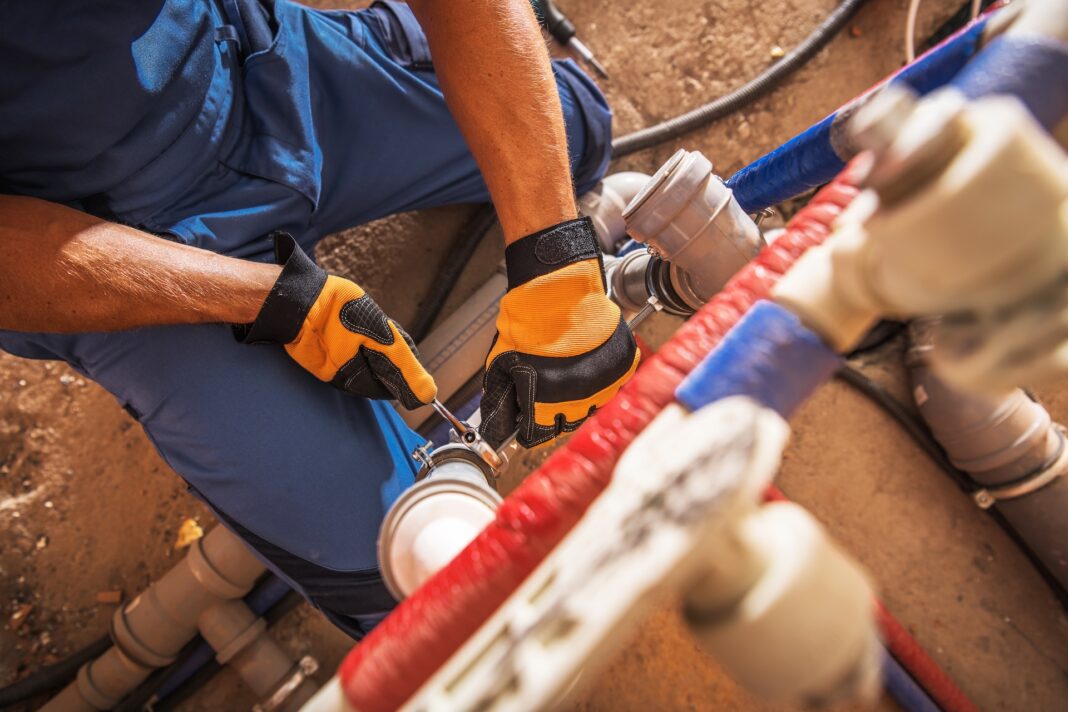
When you’re hiring someone to work on your home’s plumbing, qualifications matter. Whether it’s a leaking tap or a full system installation, choosing properly licensed plumber ensures the work is safe, compliant, and built to last.
But what does “licensed” actually mean, and what should you be looking for before hiring a plumber? Here’s a clear breakdown.
What Does It Mean to Be a Licensed Plumber?
A licensed plumber is a tradesperson who has completed the required training, certifications, and assessments to legally carry out plumbing work. Licensing ensures that the plumber understands local regulations, safety standards, and correct installation practices.
In Australia, licensing is regulated at a state level, and plumbers must meet strict criteria before they can operate independently.
Formal Training and Apprenticeship
All qualified plumbers start with structured training.
Key Requirements:
- Completion of a Certificate III in Plumbing (or equivalent)
- A multi-year apprenticeship combining practical work and classroom learning
- Supervised on-the-job experience
This combination ensures plumbers develop both technical knowledge and real-world skills.
Plumbing Licence and Registration
Once training is complete, plumbers must obtain the appropriate licence or registration to legally perform work.
Types of Licensing May Include:
- Plumbing licence (general plumbing work)
- Gas fitting licence (for gas installations and repairs)
- Drainage licence
- Roofing (stormwater) plumbing licence
Always check that your plumber holds the correct licence for the specific job you need.
Knowledge of Local Codes and Regulations
Licensed plumbers are required to follow Australian Standards and local building codes.
This includes:
- Water efficiency regulations
- Backflow prevention requirements
- Safe installation practices
- Compliance with health and safety laws
Hiring licensed plumbers ensures your work meets these standards and avoids potential legal or insurance issues.
Insurance Coverage
A qualified plumber should also carry appropriate insurance.
Important Types:
- Public liability insurance
- Workers’ compensation (if they have employees)
This protects both you and the plumber in case of accidents, damage, or unexpected issues during the job.
Experience and Specialisation
Not all plumbers have the same experience or areas of expertise.
Some may specialise in:
- Residential plumbing
- Commercial plumbing
- Emergency plumbing
- Gas fitting
- Hot water systems
- Blocked drains and sewer work
When choosing between plumbers, it’s worth asking about their experience with the specific type of work you need.
Ongoing Training and Certifications
The plumbing industry continues to evolve with new technologies, materials, and regulations.
Good plumbers stay up to date through:
- Ongoing training courses
- Manufacturer certifications (for specific products or systems)
- Compliance updates
This ensures they can handle modern systems like smart plumbing fixtures, energy-efficient hot water units, and advanced leak detection.
Ability to Provide Compliance Certificates
In many cases, licensed plumbers must provide a compliance certificate after completing certain types of work.
This document:
- Confirms the work meets required standards
- Is often required for insurance or property sales
- Provides peace of mind that the job was done correctly
If a plumber cannot provide this when required, it may be a red flag.
Why Hiring a Licensed Plumber Matters
Choosing a licensed plumber isn’t just about ticking a box, it’s about protecting your home.
A qualified professional ensures:
- Work is completed safely and correctly
- Compliance with legal standards
- Reduced risk of future issues
- Long-term reliability of your plumbing system
In many cases, using an unlicensed plumber can void warranties or insurance coverage.
Final Thoughts
When it comes to plumbing, qualifications should never be overlooked. Licensed plumbers bring the training, experience, and legal compliance needed to carry out work safely and effectively.
Before hiring, take the time to check licences, ask questions, and choose someone with the right expertise for your job. It’s a simple step that can save you time, money, and stress in the long run.