
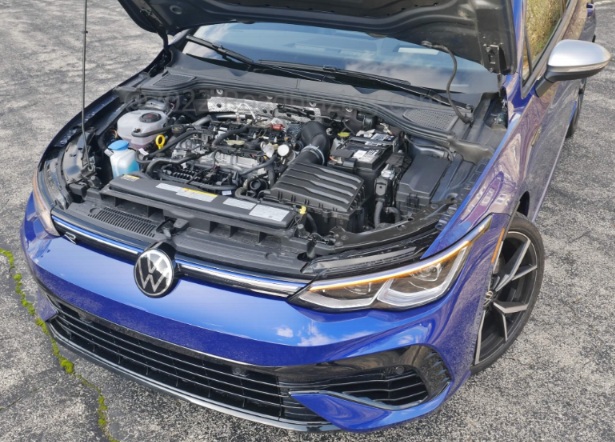
Volkswagen vehicles are known for their engineering, performance and range of advanced automotive technologies. However, like any vehicle, they require regular maintenance to remain reliable, efficient and safe to drive. Professional servicing involves more than changing engine oil or checking a few basic components. It includes a series of inspections, maintenance procedures and diagnostic checks designed to identify potential problems and ensure that the vehicle continues operating as intended.
Understanding what happens during a Volkswagen service can help owners make informed decisions about vehicle maintenance. Service requirements vary depending on the model, engine type, age, mileage and driving conditions. For drivers considering VW servicing in Mona Vale, choosing a qualified workshop familiar with Volkswagen maintenance requirements can help ensure that appropriate procedures and specifications are followed. Knowing what to expect during a professional service also makes it easier to understand maintenance recommendations and plan for future repairs.
Reviewing the Vehicle’s Service History and Maintenance Schedule
A professional Volkswagen service typically begins with reviewing the vehicle’s maintenance history and identifying the work required. Different Volkswagen models have specific servicing requirements, which may include scheduled inspections, fluid replacements and component checks at particular time or distance intervals. The mechanic may review previous service records, dashboard notifications and manufacturer maintenance information to determine which procedures are due.
The vehicle’s age, mileage and driving conditions also influence the recommended maintenance. For example, frequent short journeys, stop-start traffic and demanding driving environments may affect the condition of certain components. Mechanics may ask owners about unusual noises, warning lights, changes in performance or other concerns before beginning the inspection. This information helps identify areas requiring additional attention and ensures that the service addresses both scheduled maintenance and any reported problems.
Changing Engine Oil and Inspecting Filters
Engine oil plays an essential role in protecting internal engine components by reducing friction, managing heat and helping remove contaminants. Over time, oil can degrade and accumulate particles that affect its performance. During a routine Volkswagen service, the mechanic may replace the engine oil and oil filter according to the vehicle’s maintenance schedule. Using oil that meets the correct Volkswagen approval specification is particularly important because requirements vary between engines.
Other filters may also be inspected or replaced depending on their condition and scheduled maintenance intervals. The engine air filter helps prevent dust and debris from entering the intake system, while the cabin air filter reduces airborne particles entering the passenger compartment. Diesel models may also require fuel filter replacement at specified intervals. Maintaining these components supports engine operation, airflow and cabin comfort. Mechanics should follow the applicable manufacturer recommendations rather than assuming that every Volkswagen model requires identical filter replacement intervals.
Inspecting the Braking System and Tyres
The braking system is one of the most important safety-related areas inspected during vehicle servicing. A mechanic may examine brake pads, discs, callipers, hoses and other accessible components for signs of wear, damage or deterioration. Brake fluid condition and replacement requirements may also be reviewed. Identifying worn components early can help maintain consistent braking performance and reduce the risk of further damage.
Tyres are another important part of the inspection. Mechanics typically assess tread depth, inflation pressure, visible damage and uneven wear patterns. Uneven tyre wear may indicate issues involving wheel alignment, suspension components or incorrect tyre pressure. The condition of the spare tyre or tyre repair equipment may also be checked where applicable. Proper tyre maintenance supports handling, braking and fuel efficiency. If the inspection reveals concerns, the mechanic can recommend suitable repairs or adjustments based on the vehicle’s condition.
Checking Fluid Levels and Cooling System Components
Modern Volkswagen vehicles rely on several fluids to support safe and efficient operation. During servicing, mechanics may inspect coolant, brake fluid, windscreen washer fluid and other applicable systems. Fluid levels, visible leaks and signs of contamination can provide useful information about the condition of the vehicle. The type of fluid required depends on the model and system, so using the correct manufacturer-approved products is important.
The cooling system receives particular attention because it helps regulate engine operating temperature. Mechanics may inspect accessible hoses, connections, the radiator and expansion tank for deterioration or leakage. A coolant leak or malfunctioning cooling component can contribute to overheating and potentially serious engine damage. Transmission fluids may also require attention at specified intervals, depending on the gearbox fitted to the vehicle. Following the appropriate maintenance schedule helps reduce the likelihood of problems associated with degraded or insufficient fluids.
Performing Diagnostic Scanning and Electronic System Checks
Volkswagen vehicles contain electronic control systems that monitor engine operation, emissions, transmission performance and various safety features. During a professional service, a mechanic may use diagnostic equipment compatible with Volkswagen systems to check for stored fault codes and investigate relevant warning messages. Diagnostic scanning can provide useful information about electronic or mechanical concerns that may not be immediately apparent during a visual inspection.
However, a fault code does not automatically identify the exact component that needs replacing. It indicates a condition detected by the vehicle’s monitoring system and may require further testing to determine the underlying cause. Mechanics may review live data, inspect associated components or carry out additional diagnostic procedures when necessary. Some service procedures may also involve resetting maintenance reminders or completing relevant system checks. Appropriate diagnostic equipment and technical knowledge are valuable when working with the electronic systems found in modern Volkswagen vehicles.
Assessing Suspension, Steering and Undercarriage Components
Suspension and steering systems contribute to vehicle stability, handling and ride comfort. During servicing, mechanics may inspect accessible suspension components, steering joints, bushes and other related parts for excessive wear or damage. These components experience ongoing stress from road conditions, cornering and everyday driving. Deterioration can affect how the vehicle responds to steering inputs and how comfortably it travels over uneven surfaces.
The undercarriage may also be checked for fluid leaks, damaged protective covers, loose components or signs of corrosion. Mechanics may inspect exhaust components and other accessible areas where appropriate. Drivers who frequently encounter potholes, rough roads or uneven surfaces may experience additional wear on certain suspension parts. If the inspection identifies unusual movement, damaged bushes or other concerns, the workshop can explain whether repairs are necessary and how they may affect vehicle safety and performance.
Identifying Additional Maintenance and Future Repair Requirements
Not every component requires replacement during each Volkswagen service. Some maintenance procedures are scheduled according to time or mileage, while others depend on inspection findings and the vehicle’s condition. Depending on the model, additional work may involve spark plugs, timing belts, transmission servicing or other components. A professional mechanic should explain which tasks are due and distinguish essential maintenance from optional recommendations.
Clear communication is an important part of the servicing process. If additional repairs are identified, the workshop should explain the problem, its potential consequences and the recommended solution before proceeding with work outside the agreed service scope. Owners can also request information about upcoming maintenance requirements to help plan future expenses. Keeping accurate service records provides a useful history of completed work and may assist with vehicle resale, warranty considerations and ongoing maintenance decisions.
Conclusion
A professional Volkswagen service involves a combination of scheduled maintenance, safety inspections and diagnostic procedures. From changing engine oil and checking filters to inspecting brakes, tyres, cooling systems and electronic components, each stage contributes to maintaining the vehicle’s condition. The exact work required depends on the Volkswagen model, its service history and the manufacturer’s maintenance recommendations.
Regular servicing provides an opportunity to identify developing problems, address wear and maintain important vehicle systems before more serious issues arise. Choosing a qualified mechanic who understands Volkswagen maintenance specifications and communicates inspection findings clearly can help owners make informed decisions about their vehicles. By following the appropriate service schedule and responding promptly to recommended repairs, Volkswagen owners can support long-term reliability, safety and driving performance.






