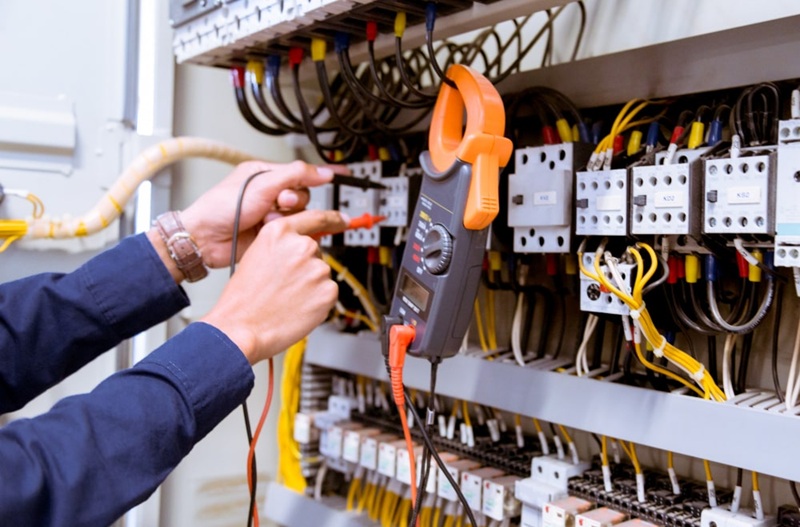
Electrical work sits inside the beating heart of every modern infrastructure project, whether it is a transit upgrade, a utility overhaul, or a citywide expansion of public facilities. People outside the industry tend to focus on the visible parts of construction, but the unseen electrical framework is what makes projects reliable, safe, and ready for long term use. Contractors who understand how much the landscape is changing can position themselves for real growth, especially as federal and state investments continue to roll out. The pace is quick, but the outlook is bright for teams that treat electrical planning as central rather than secondary.
Shaping Big Projects From the First Blueprint
Electrical contractors are stepping into earlier phases of design now that digital modeling has become standard. Engineers want electrical insight before the first trench is planned because delays usually come from power load surprises, coordination issues, or outdated drawings that leave too much guesswork. That shift has made collaboration a daily expectation instead of an occasional check in, which is good for contractors who bring a seasoned eye to the table. The sooner they are in the room, the smoother the rest of the project runs. It sets up a better workflow for field crews, and it reduces the rush that used to define late stage electrical work.
The early role also means contractors need a strong handle on different types of construction contracts, since risk allocation has changed with the rise of large scale public programs. Owners want predictability, and general contractors are more willing to bring electrical teams forward in the process when they can navigate the legal and structural side of complex builds. The contractors who understand how to manage scope creep and communicate clearly tend to become repeat partners on long projects that stretch across multiple phases.
Keeping Projects Moving With Better Communication Tools
Field leadership hinges on coordination, and a jumble of texts and spreadsheets can derail even the best crews. That is why many teams are turning to CRM for electrical contractors, not for sales flash, but for the practical payoff of tracking jobs, materials, client communication, and change orders in one place. It becomes the hub that keeps an entire operation aligned from estimating to closeout. When cities and agencies expect transparent reporting, contractors need clean systems instead of improvised tracking.
A reliable CRM also helps small and midsize contractors compete for larger projects. It shows professionalism and makes it easier to manage multiple jobs with overlapping timelines. The industry is busy enough that even well staffed companies can get tangled without a structure that everyone follows. With a CRM that fits the electrical world, decisions move faster and field teams get what they need with less frustration.
Meeting the Demands of Modern Infrastructure With Smart Tools
Infrastructure projects are getting more complex as power needs grow. New transit routes require smarter signaling systems, airports demand advanced lighting controls, and municipal buildings need integrated management platforms that talk to one another. Estimators who rely only on manual takeoffs often feel buried under that level of detail. The shift toward technology is not about replacing human judgment. It is about removing the slog so skilled estimators can focus on accuracy and strategy.
That is why many teams have adopted AI electrical estimating tools, which speed up tedious tasks that used to swallow hours of the day. These tools scan plans, identify fixtures, compare drawings, and organize quantities with a consistency that helps contractors tighten bids without losing their edge. When infrastructure spending is competitive, quality estimating becomes a real differentiator. Contractors can respond to opportunities faster and with more confidence, which opens doors to larger and more specialized projects.
The best part is that these tools give experienced estimators more time to use their knowledge instead of wrestling with repetitive work. Technology cannot replace the judgment of someone who has been in the field. It can only support it. Contractors who treat these systems as an extension of their expertise usually see stronger margins and fewer headaches during procurement.
Building Safer and More Efficient Installations
Public infrastructure brings strict safety requirements, and electrical contractors carry responsibility for everything from power distribution to life safety systems. The industry has responded with a wave of new training options and more accessible certification programs. Crews are learning to navigate energy efficient systems, advanced fault detection, and smart city integrations that connect entire districts. These upgrades raise the bar for craftsmanship, which rewards contractors who invest in long term skill development.
At the same time, efficiency matters more than ever. Cities want sustainable solutions that cut waste and operate at a lower cost. Electrical contractors are central to that effort because they are the ones who install, test, and maintain the systems that keep power flowing without unnecessary strain. When infrastructure is planned with electrical durability in mind, communities see fewer outages, lower maintenance bills, and better public safety outcomes.
Final Thoughts
Infrastructure work is expanding fast, and electrical contractors are right at the center of that momentum. They bring the precision, planning, and technical insight that turn raw construction into functioning systems capable of supporting entire cities. As projects grow in scale and complexity, the contractors who embrace collaboration, technology, and strong communication will shape the future of the industry. The work may be behind the scenes, but it drives everything that comes next.