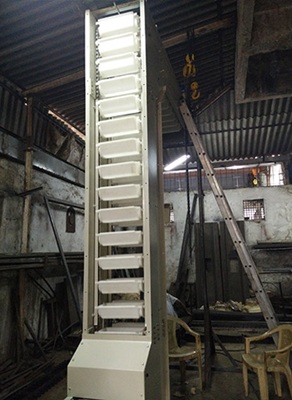
Capital upgrades in material handling are rarely impulsive decisions. They’re measured, debated, sometimes delayed longer than they should be. And understandably so. A bucket elevator sits at the heart of vertical transport in many facilities, so replacing it isn’t just a purchase. It’s a commitment.
Still, when older systems begin to show their limits, the question shifts. Not “Should we upgrade?” but “What are we losing by waiting?”
Understanding the Upgrade
A modern bucket elevator is designed with improved materials, tighter tolerances, and more efficient drive systems compared to older models, with leading manufacturers offering systems tailored to specific material handling requirements. While the basic principle remains unchanged, lifting bulk materials vertically using buckets attached to a belt or chain, the execution has evolved significantly.
Today’s systems focus on consistency, reduced wear, and better control over material flow. These improvements may seem incremental at first glance, but they tend to compound quickly in real-world operations.
Throughput That Actually Keeps Up
One of the most immediate gains comes from improved throughput.
Older elevators often struggle with capacity limitations. They may operate below rated speeds due to wear or instability, or require frequent slowdowns to prevent spillage. Over time, this creates a bottleneck that affects the entire production line.
Modern systems are built to handle higher capacities with greater stability. Improved bucket design, optimized spacing, and better drive control allow for smoother, more consistent movement of materials.
The result is straightforward. More material moved in less time, with fewer interruptions.
Energy Efficiency That Shows Up on Bills
Energy consumption is an ongoing cost that’s easy to overlook until it becomes significant.
Legacy bucket elevators often operate with outdated motors and inefficient transmission systems. Friction losses, misalignment, and worn components all contribute to higher energy use.
Modern designs address these inefficiencies directly. High-efficiency motors, improved alignment systems, and optimized mechanical components reduce energy demand without compromising performance.
Over months and years, these savings become visible. Not dramatic overnight, but steady and reliable.
Maintenance: From Reactive to Predictable
Maintenance is where many facilities feel the real burden of aging equipment.
Older bucket elevators tend to require frequent attention. Components wear unevenly, belts drift, chains stretch, and unplanned downtime becomes more common. Each interruption carries both direct repair costs and indirect production losses.
Modern systems shift this dynamic.
With better materials and precision engineering, wear is more predictable. Access points are designed for easier inspection and servicing. Some systems even integrate monitoring tools that help detect issues before they escalate.
This doesn’t eliminate maintenance, but it changes its nature. Less firefighting, more planning.
Material Handling Performance and Loss Reduction
Spillage and material degradation are often underestimated when calculating ROI.
In older systems, inconsistent bucket loading or discharge can lead to product loss. Fragile materials may break down due to rough handling, while fine materials may escape through gaps or poor sealing.
Modern bucket elevators improve control at every stage. From loading to discharge, the movement is more controlled, reducing both waste and product damage.
For industries dealing with high-value materials, even small improvements here can have a noticeable financial impact.
Safety and Compliance Considerations
Safety upgrades are sometimes viewed as regulatory necessities rather than ROI drivers. But they contribute more than just compliance.
Modern bucket elevators are designed with improved guarding, dust control, and explosion protection features where required. These enhancements reduce risk for both personnel and equipment.
Fewer incidents mean fewer disruptions, lower liability, and a more stable operating environment. While harder to quantify directly, these factors play a role in long-term financial performance.
Looking at the Full ROI Picture
It’s tempting to evaluate ROI based solely on upfront cost versus immediate savings. But with equipment like bucket elevators, the broader picture matters more.
Consider the combined impact:
- Increased throughput
- Lower energy consumption
- Reduced maintenance costs
- Less downtime
- Improved material retention
- Enhanced safety
Individually, each benefit may seem moderate. Together, they create a strong case for upgrading.
And then there’s the opportunity cost. Continuing with outdated equipment often means accepting inefficiencies as normal, even when better alternatives exist.
Conclusion
Upgrading to a modern bucket elevator is not just a technical improvement. It’s an operational decision with measurable financial implications.
While the initial investment requires careful consideration, the long-term gains in efficiency, reliability, and cost control often justify the move. For facilities aiming to maintain consistent performance and adapt to growing demands, modernizing vertical conveying systems becomes less of an option and more of a strategic step forward.