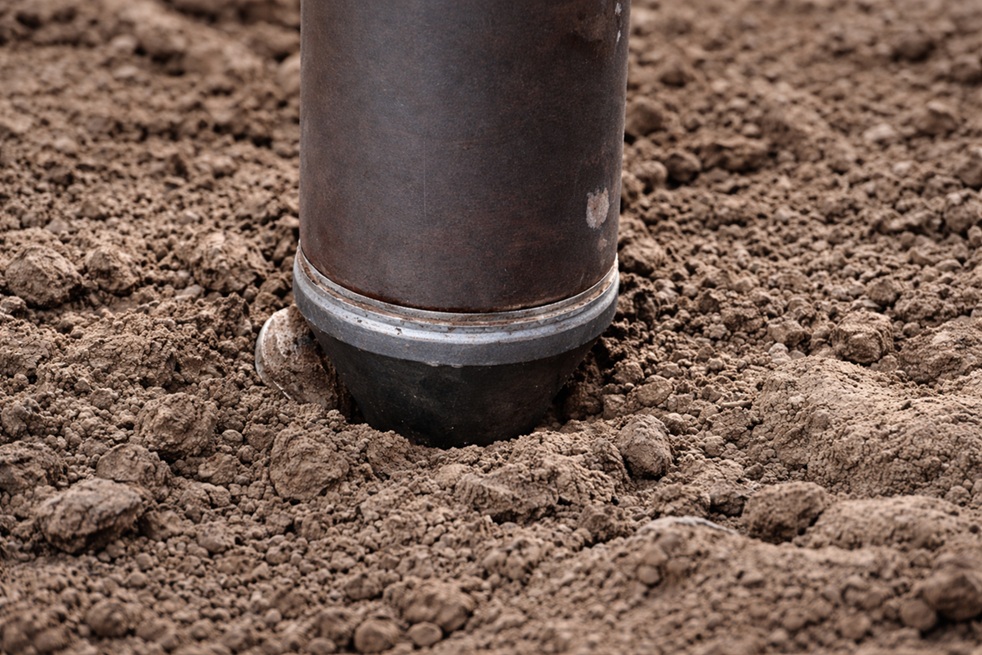
What is the Cone Penetration Test (CPT)?
The Cone Penetration Test (CPT), also known as the Dutch Cone Test, is an in-situ testing method used to determine the geotechnical properties of soil. It involves pushing a cone-shaped probe into the ground at a constant rate and measuring resistance parameters that help assess soil characteristics.
Unlike traditional methods such as the Standard Penetration Test (SPT), CPT provides continuous data with depth, offering a more detailed soil profile.
Principle of CPT
CPT is based on measuring the resistance of soil against penetration. The test records three primary parameters:
- Cone Tip Resistance (qc): Resistance at the tip of the cone
- Sleeve Friction (fs): Friction along the sleeve of the probe
- Pore Water Pressure (u): Measured in piezocone (CPTu)
These parameters help in identifying soil type, strength, density, and other engineering properties.
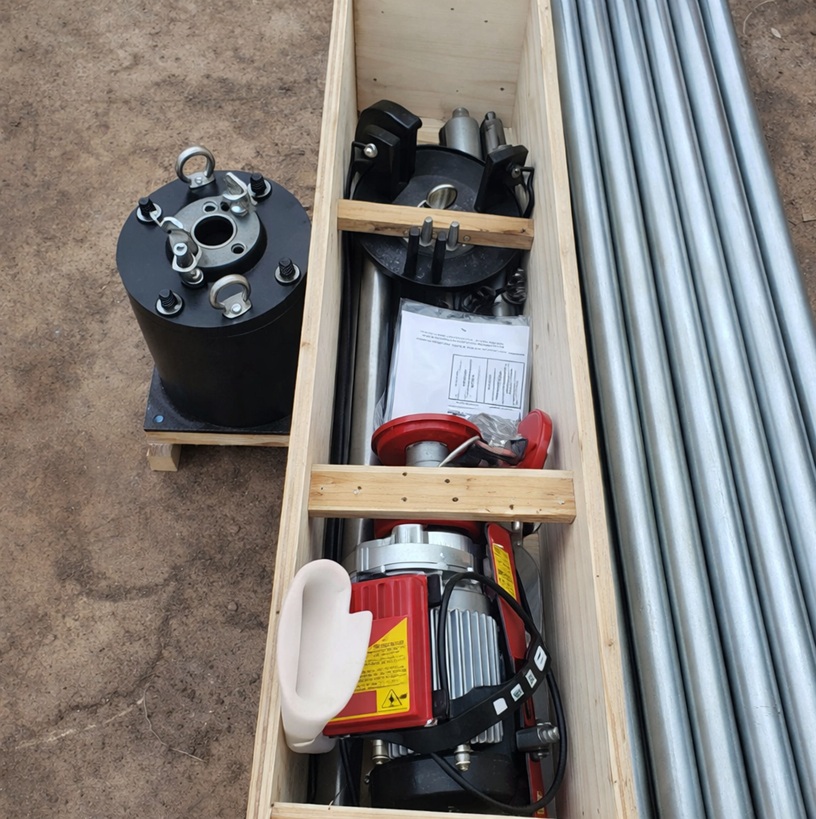
Equipment Used in CPT
A standard CPT setup includes:
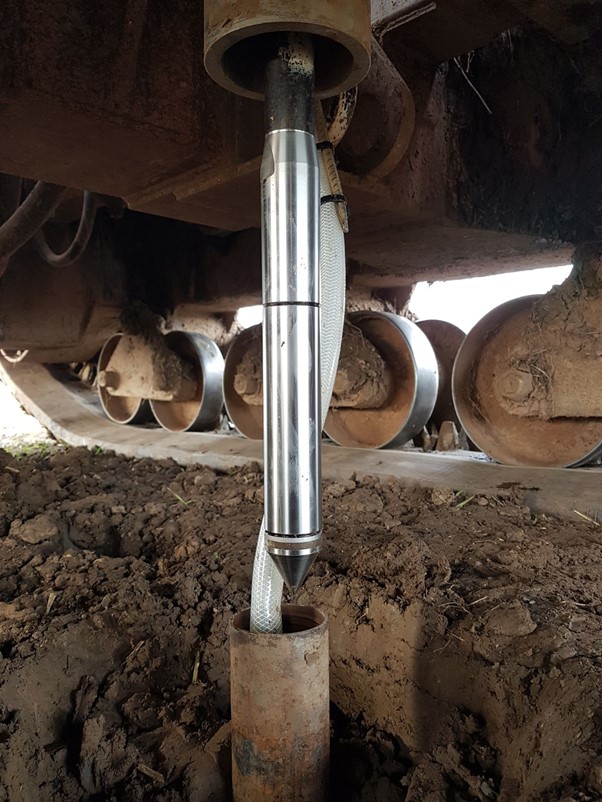
- Cone Penetrometer: A steel probe with a conical tip (usually 60° apex angle)
- Friction Sleeve: Located behind the cone to measure side friction
- Push Rods: Used to advance the cone into the ground
- Hydraulic Jack System: Provides the force required for penetration
- Data Acquisition System: Records real-time data
- Piezometer (in CPTu): Measures pore water pressure
Modern CPT systems are often automated and equipped with digital sensors for precise data collection.
Procedure of Cone Penetration Test
The CPT is conducted using a standardized procedure to ensure accuracy:
- Site Preparation
The test location is selected based on project requirements, and the ground is leveled. - Positioning Equipment
The CPT rig is positioned vertically over the test point. - Penetration Process
The cone is pushed into the soil at a constant rate (typically 20 mm/sec). - Data Collection
Sensors record cone resistance, sleeve friction, and pore pressure continuously. - Depth Recording
Data is recorded at regular depth intervals, producing a continuous soil profile. - Termination
The test is stopped when the required depth is reached or resistance becomes too high.
Types of CPT
Different variations of CPT are used based on project needs:
- Mechanical CPT: Traditional method with mechanical readings
- Electrical CPT: Uses electronic sensors for accurate measurements
- Piezocone (CPTu): Measures pore water pressure
- Seismic CPT (SCPT): Measures shear wave velocity
- Dissipation Test: Conducted to evaluate soil permeability and consolidation
Applications of CPT in Construction
CPT is widely used across various construction sectors:
1. Foundation Design
CPT data helps determine:
- Bearing capacity of soil
- Settlement characteristics
- Suitable foundation type (shallow or deep)
2. Soil Profiling
Provides continuous soil stratification, identifying:
- Sand, clay, silt layers
- Weak zones or soft pockets
3. Ground Improvement
Used to design and verify:
- Soil stabilization methods
- Compaction effectiveness
4. Pile Design
CPT data is used to estimate:
- Pile capacity
- Skin friction and end bearing resistance
5. Infrastructure Projects
Extensively used in:
- Highways
- Bridges
- Airports
- Dams and embankments
6. Environmental Studies
Helps assess:
- Contaminated soils
- Groundwater conditions
Advantages of CPT
CPT offers several benefits over traditional soil testing methods:
1. Continuous Data
Provides uninterrupted soil profile with depth, unlike discrete sampling.
2. High Accuracy
Electronic sensors ensure precise and reliable measurements.
3. Speed and Efficiency
Rapid testing reduces project timelines.
4. Minimal Disturbance
No soil extraction means less disturbance to the ground.
5. Cost-Effective
Reduces need for multiple boreholes and lab tests.
6. Real-Time Results
Immediate data allows quick decision-making on-site.
Interpretation of CPT Data
Interpretation of Results
The data obtained from CPT is usually presented in the form of graphs showing resistance versus depth. Engineers interpret these results using established correlations and classification charts.
By analyzing the relationship between cone resistance and sleeve friction, it is possible to identify soil types such as sand, clay, or silt. Advanced analysis can also estimate parameters like bearing capacity, settlement characteristics, and shear strength.
Modern software tools have further simplified this process, enabling faster and more accurate interpretation of CPT data.
CPT data is interpreted using empirical correlations and charts:
- Soil Classification Charts: Based on qc and fs values
- Friction Ratio (Rf): Used to distinguish soil types
- Bearing Capacity Equations: Derived from cone resistance
- Settlement Analysis: Based on soil compressibility
Engineers use software tools and standards (such as IS codes and ASTM guidelines) to analyze CPT data accurately.
Best Practices for CPT Implementation
To ensure reliable results, the following practices should be followed:
- Proper calibration of equipment
- Skilled operators and supervision
- Correct test spacing and depth
- Integration with other investigation methods
Conclusion
The Cone Penetration Test (CPT) is a powerful and efficient method for subsurface investigation in construction. Its ability to provide continuous, accurate, and real-time data makes it a preferred choice for engineers and project managers.
From foundation design to ground improvement and infrastructure development, CPT plays a crucial role in ensuring safety, optimizing design, and reducing project risks. While it has some limitations, its advantages far outweigh them, especially when used alongside other geotechnical investigation methods.