Asphalt resurfacing looks simple from the outside: remove the worn surface, place new asphalt, compact it, and repaint the lines. In practice, every stage has a schedule of its own. A resurfacing project must account for pavement depth, crew access, traffic control, material temperature, drainage corrections, curing conditions, and the timing of final striping. For property owners, commercial managers, municipal teams, and contractors, the central question is not only how long the work takes, but how each phase affects access, safety, and long-term pavement performance.
A small resurfacing job can be completed quickly when the pavement base is stable and the site is easy to close. A larger roadway, shopping center, industrial yard, or multi-phase parking lot often requires a longer sequence because crews must keep parts of the property open while work continues. The clearest way to understand the schedule is to look at resurfacing from the first milling pass to the moment fresh striping is ready for traffic.
What Is a Typical Mill and Pave Timeline?
Most asphalt resurfacing projects move through predictable stages, but the actual schedule depends on pavement condition, project size, weather stability, and traffic management requirements. Contractors usually begin with surface milling, then clean the pavement, apply tack coat, install fresh asphalt, compact the overlay, and complete final striping after the asphalt stabilizes. A detailed mill and pave timeline helps property owners, municipalities, and facility managers understand how each construction phase affects vehicle access, reopening schedules, and long-term pavement performance.
Small parking lots often finish within one to three days because paving crews can mill and overlay the surface in a single mobilization. Residential streets typically require additional traffic control coordination, which extends resurfacing into several phases. Commercial paving projects frequently schedule milling at night to reduce disruption, then complete asphalt installation during lower traffic periods. Fresh asphalt also requires cooling time before heavy vehicles return to the pavement surface.
Drainage adjustments, utility structure corrections, and weather interruptions can lengthen resurfacing schedules even after milling finishes. Rain prevents proper asphalt compaction and weakens bonding between pavement layers, so contractors often delay paving until dry conditions return. Final striping normally occurs after the asphalt surface cures enough to support paint adhesion and traffic movement. Understanding each resurfacing stage allows project stakeholders to plan deliveries, parking access, tenant communication, and roadway closures more accurately.
Milling: The First Major Time Block
Milling removes the damaged upper layer of asphalt while leaving the underlying pavement structure in place. This step may take only a few hours on a small lot, but on larger roadways or commercial properties it can run across multiple shifts. Crews must control milling depth, manage debris, protect nearby structures, and maintain safe traffic movement around the work zone.
The condition of the existing surface has a strong influence on timing. A pavement with shallow cracking and uniform wear is easier to mill than one with severe rutting, patch failures, utility covers, or drainage depressions. If milling exposes weak areas below the surface, repairs may be required before new asphalt can be placed. That is where a simple resurfacing schedule can grow into a more detailed rehabilitation plan.
Cleaning, Tack Coat, and Surface Preparation
After milling, the surface must be cleaned thoroughly. Loose material, dust, and debris can interfere with bonding between the old pavement and new asphalt overlay. Sweepers, blowers, and inspection crews prepare the milled surface so the tack coat can perform correctly. This part of the project may look quiet compared with milling or paving, but it is essential to the final result.
Subsurface strength also matters. Roads and paved facilities depend on layered support, and poor preparation below the asphalt can shorten the life of the resurfaced pavement. For that reason, pavement teams often evaluate base behavior, drainage, and compaction principles similar to those discussed in granular sub-base construction for durable road pavements, especially when resurfacing connects with deeper repair work or roadway reconstruction.
Paving and Compaction
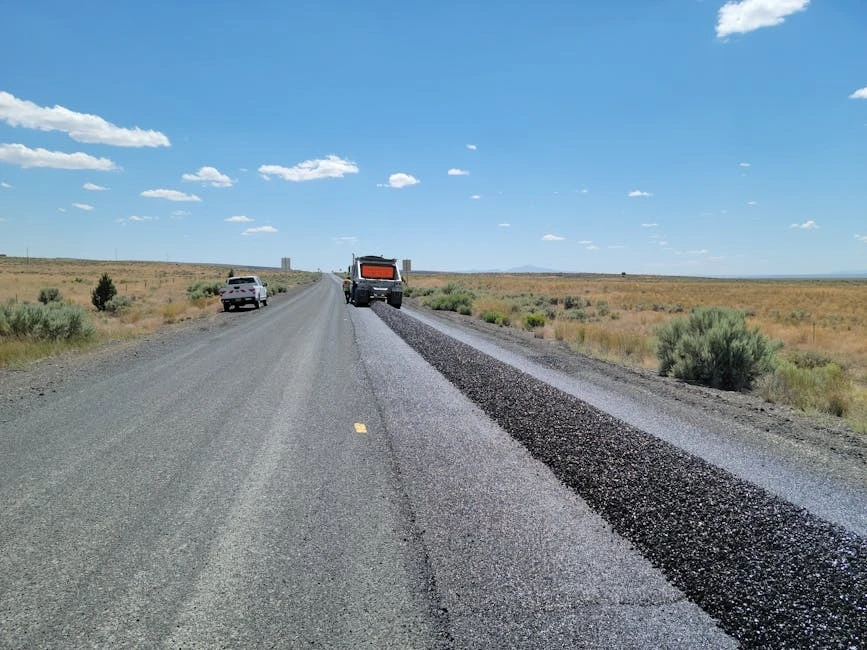
The paving stage moves quickly when planning is strong. Trucks deliver hot mix asphalt, the paver places it at the required thickness, and rollers compact it before the material cools too much. Timing is critical because asphalt must be compacted within the right temperature window. If trucks are delayed, weather shifts, or access is blocked, the crew may need to adjust the sequence to protect quality.
For small lots, asphalt placement and compaction may finish the same day as milling. For larger commercial areas, contractors may divide the site into zones so tenants, customers, delivery vehicles, or emergency access routes remain available. A roadway project may require lane closures, flaggers, detours, and night work, which adds logistical time even when the actual paving operation is efficient.
Why Weather Can Change the Schedule
Weather is one of the biggest schedule variables in resurfacing. Rain can stop paving because moisture prevents proper bonding and compaction. Cold temperatures can shorten the available compaction window, while extreme heat may affect crew productivity and traffic management. Wind can also influence how fast asphalt loses temperature after placement.
A professional schedule should include flexibility for these conditions. It is better to delay paving than to rush work during poor weather and risk premature surface failure. Strong project planning treats weather not as an inconvenience, but as a construction variable that must be respected.
Cooling Time Before Reopening
Fresh asphalt does not need weeks before light traffic can return, but it does need enough time to cool and stabilize. Passenger vehicles may be allowed back sooner than heavy trucks, garbage vehicles, delivery trailers, or construction equipment. Heavy traffic too early can mark, scuff, or deform the surface, especially in warm conditions.
Reopening decisions depend on asphalt temperature, pavement thickness, weather, traffic type, and the contractor’s field judgment. On many projects, sections are reopened in phases so access can continue while other areas remain protected. This is especially important for hospitals, warehouses, apartment communities, schools, and retail centers where full closure may not be realistic.
Final Striping and Pavement Markings
Final striping is usually one of the last visible steps, but it should not be treated as decorative. Striping restores traffic flow, parking organization, pedestrian paths, fire lanes, loading zones, accessibility markings, and directional control. The new asphalt surface must be ready to accept paint or thermoplastic markings properly.
In many parking lots, striping can happen within a day or two after paving, depending on temperature, surface condition, and paint system. On roads or high-traffic facilities, crews may use temporary markings before permanent striping is installed. This helps keep traffic organized while allowing the pavement surface to reach a better condition for final marking adhesion.
Sustainability and Material Decisions
Modern road construction is also shaped by material efficiency, emissions goals, recycling, and durability. Milling itself supports sustainability because removed asphalt can often be processed and reused in future pavement materials. Public agencies and private owners are increasingly interested in pavement methods that reduce waste without sacrificing strength or service life.
This wider shift is visible in the growing discussion around road construction materials and climate impact. For resurfacing projects, sustainable planning can include reclaimed asphalt pavement, optimized mix design, better drainage, efficient hauling, and longer-lasting construction practices that reduce the frequency of future repairs.
Brand Section: Asphalt Coatings Company
Asphalt Coatings Company operates in a field where timing, communication, and pavement quality must work together. Resurfacing is not only about placing a new asphalt layer; it is about coordinating every stage so the finished surface performs well and the property remains manageable during construction. A strong contractor helps clients understand what happens before milling starts, how access will be controlled, when paving will occur, and when striping can safely be completed.
For commercial properties, municipalities, and facility managers, this type of coordination can reduce confusion and protect daily operations. Clear project communication allows tenants to plan parking, businesses to manage deliveries, and public agencies to prepare lane closures or detours. The value of a resurfacing contractor is often seen not only in the finished pavement, but in how smoothly the site moves through each phase.
How Long Should You Plan For?
A simple resurfacing project may take one to three days from milling to reopening, with striping completed shortly after. A medium commercial lot may require several days, especially if it is divided into phases. Larger roadway or industrial projects can extend over a week or more when traffic control, drainage corrections, utility adjustments, weather delays, or night work are involved.
The most reliable schedule comes from a site-specific assessment. Pavement condition, access points, expected traffic, asphalt thickness, crew availability, and local weather patterns all influence the final timeline. A contractor should explain these variables before work begins so the owner is not surprised when one phase depends on another.
Conclusion
Asphalt resurfacing from milling to final striping is a sequence of connected steps, not a single-day surface treatment in every case. Milling prepares the pavement, cleaning and tack coat support bonding, paving and compaction create the new surface, cooling protects the overlay, and striping restores order and safety. When each step is scheduled correctly, the finished pavement is more durable, more functional, and easier to manage during construction.
The best resurfacing timelines are realistic rather than rushed. They account for weather, traffic, material behavior, pavement condition, and site access. Whether the project is a small parking area or a multi-phase roadway, careful planning from the first milling pass to final striping helps reduce disruption and supports a longer-lasting asphalt surface.