
When buyers scan listings, one of the first details they notice is the age of a property. “Built in the 1970s” or “brand new” often shapes expectations long before anyone steps through the front door. Older homes are assumed to be risky. Newer homes are expected to be problem-free. Inspection reports, however, regularly tell a more complicated story.
Age and condition are related, but they are not the same thing. In fact, inspection findings often show that age can be misleading—sometimes dramatically so.
Why Property Age Gets Too Much Attention
Age is an easy metric. It’s clear, fixed, and feels like a shortcut for assessing risk. A house that’s 80 years old must have problems, right? A home completed last year should be perfect.
In reality, age only tells you how long a building has existed—not how well it has been designed, built, maintained, altered, or repaired over time. A well-cared-for older home can outperform a poorly constructed modern one. Reports routinely highlight this mismatch between expectation and reality.
Older Homes: Solid Bones, Hidden Wear
Many older properties were built with durable materials and conservative engineering. Thick timber framing, generous roof structures, and simple layouts often work in their favour. It’s not unusual for inspections to describe the main structure of an older home as “generally sound.”
Where age catches up is in wear and tear. Roofing materials reach the end of their lifespan. Subfloors may show signs of moisture exposure. Electrical systems might no longer meet modern safety expectations. Bathrooms and kitchens, especially if renovated multiple times, can hide inconsistent workmanship.
Inspection reports on older homes often read like a timeline: strong original construction, followed by decades of patchwork repairs. The condition depends heavily on how those repairs were done—and whether shortcuts were taken along the way.
Renovations: Improvement or Complication?
A freshly renovated older home can look immaculate. New paint, modern finishes, and updated fixtures give the impression that problems have been solved. Inspection findings don’t always agree.
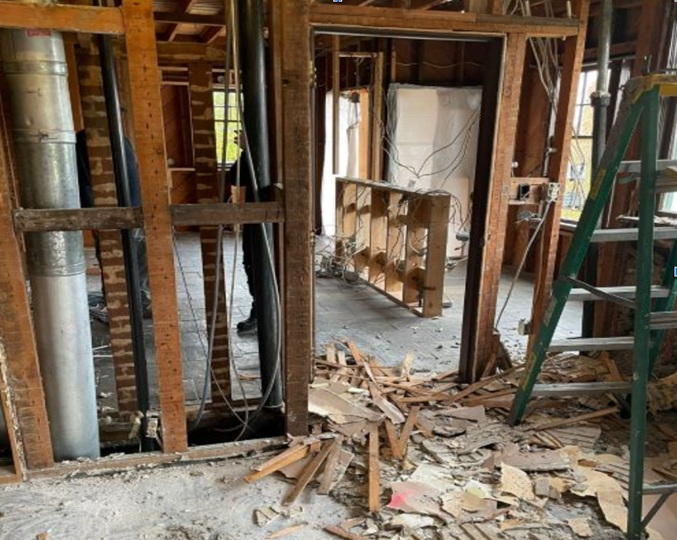
Reports frequently uncover renovations that prioritised appearance over durability. Poor waterproofing, altered structural elements without adequate support, or concealed termite damage are common discoveries. In these cases, the home’s age isn’t the issue—the quality of the renovation is.
This is why inspection reports focus less on how new something looks and more on how it performs. Cosmetic upgrades don’t automatically translate to improved condition.
Newer Homes: Fewer Years, Different Risks
Newer properties come with a sense of reassurance. Modern standards, warranties, and materials suggest lower risk. While it’s true that some age-related issues won’t exist yet, inspections still uncover a surprising range of problems.
Common findings in newer homes include incomplete finishes, poor drainage, insufficient sealing, and defects related to rushed construction schedules. In high-demand markets, speed often trumps care. Reports may identify issues that aren’t immediately dangerous but could lead to premature deterioration if ignored.
A newer home’s condition is often less about time and more about workmanship. The inspection report becomes a snapshot of build quality rather than ageing.
What Inspection Reports Actually Prioritise
Inspection reports are not interested in nostalgia or marketing claims. They focus on observable evidence: structural integrity, signs of movement, moisture presence, pest activity, and safety hazards.
An 80-year-old home with dry subfloors, stable footings, and consistent maintenance can receive fewer critical notes than a five-year-old property with poor drainage and early moisture intrusion. Reports reflect condition, not reputation.
This is particularly relevant in competitive markets where buyers rely on inspections to make fast, informed decisions. A building and pest inspection Sydney buyers commission often reveals that the real risk lies where assumptions were made too quickly.
Maintenance History Matters More Than Birthdays
One of the strongest predictors of condition is maintenance history. Homes that receive regular attention—roof checks, drainage management, pest prevention—tend to age gracefully. Those that are ignored deteriorate quickly, regardless of when they were built.
Inspection reports often include language like “consistent with age and maintenance.” That phrase matters. It distinguishes between normal ageing and neglect. Two homes of identical age can produce vastly different reports depending on how owners have treated them.
Understanding “Major” Findings in Context
Buyers sometimes fixate on labels like “major defect” without considering context. A major defect in an older home might relate to safety standards that have changed, not imminent collapse. In a newer home, a major defect could signal a fundamental construction issue that should not exist at all.
Reports are most useful when read as a whole. They explain patterns, not just isolated problems. Age provides background; condition provides clarity.
Why Comparing Properties Requires More Than Dates
When comparing properties, it’s tempting to line them up by year built and assume the newer option is safer. Inspection reports push back against this logic. They show that condition is shaped by decisions—design, construction, renovation, and maintenance—not just time.
A buyer choosing between a 1960s brick home and a 2018 townhouse may find the older property has fewer long-term risks. Without an inspection, that insight is easy to miss.
Reading Reports With the Right Mindset
The value of an inspection report lies in how it reframes assumptions. It encourages buyers to ask better questions: How has this home been looked after? Where are the stress points? What issues are active versus historical?
Age becomes just one piece of the puzzle, not the conclusion.
Looking Past the Number on the Listing
Property age is a starting point, not a verdict. Inspection reports consistently show that condition tells the real story. Homes age differently based on care, construction, and context. Buyers who understand this read reports with curiosity rather than fear.
In the end, it’s not how old a home is that determines risk—it’s how it has lived its life so far.



