The construction industry is evolving rapidly, driven by the need for faster delivery, better quality, and cost efficiency. Traditional construction methods, while dependable, often face challenges in meeting tight deadlines and modern performance expectations. Hybrid construction has emerged as a practical solution by combining prefabrication and cast-in-situ techniques into a single, efficient system.
This approach allows developers and engineers to take advantage of factory-controlled production while maintaining the flexibility of on-site construction. As a result, hybrid construction is becoming increasingly popular across residential, commercial, and infrastructure projects.
What is Hybrid Construction
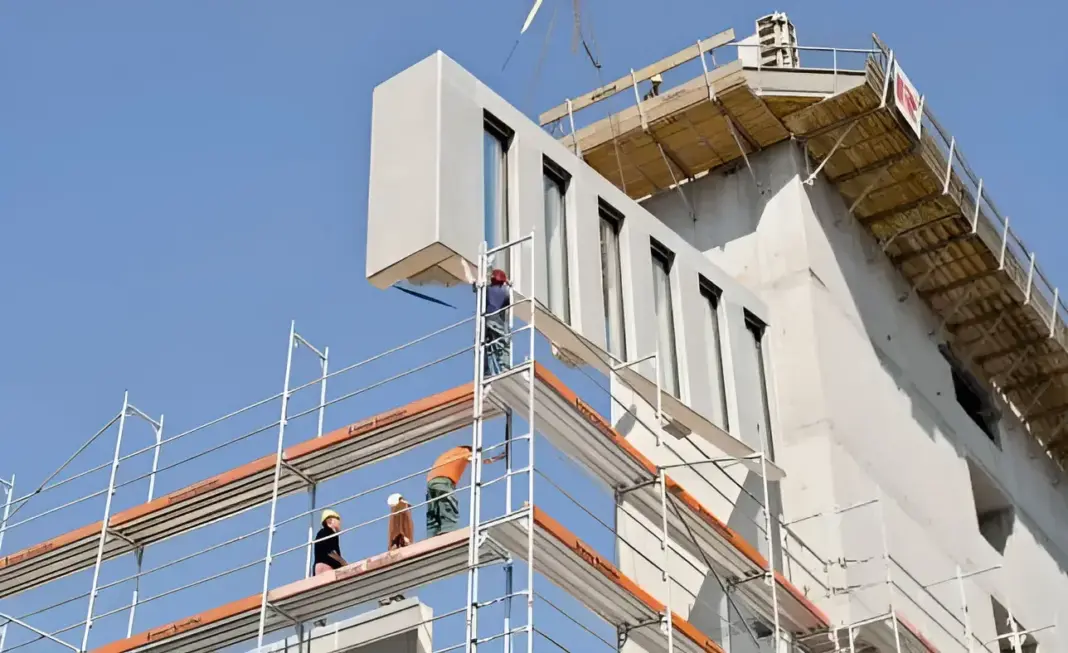
Hybrid construction is a method where some building components are manufactured off-site in a controlled environment and then transported to the site for assembly, while other components are constructed directly on-site using conventional methods.
Prefabrication typically includes elements such as beams, columns, slabs, and wall panels. These components are produced with high precision and consistent quality. Cast-in-situ construction, on the other hand, involves pouring concrete on-site, allowing for customization and seamless integration.
By combining these two approaches, hybrid construction creates a system that balances speed, quality, and adaptability.
Key Features of Hybrid Construction
Hybrid construction is characterized by a strategic combination of off-site and on-site processes. Some of its defining features include:
- Simultaneous off-site manufacturing and on-site preparation
- Reduced dependency on weather conditions
- Improved construction speed and efficiency
- Enhanced quality control through factory production
- Flexibility in design and execution
Common Hybrid Construction Systems
Hybrid construction can be implemented in several configurations depending on the project requirements.
- Precast beams with cast-in-situ slabs
- Precast columns combined with cast-in-situ beams and slabs
- Precast slabs supported by cast-in-situ framing systems
- Composite systems where precast elements act as permanent formwork
These systems allow engineers to optimize structural performance while reducing construction time.
Advantages of Hybrid Construction
Hybrid construction offers numerous benefits that make it an attractive choice for modern projects.
- Faster project completion due to parallel construction activities
- Reduced labor requirements on-site
- Improved quality and precision of prefabricated components
- Lower material wastage and better resource efficiency
- Enhanced structural strength and durability
- Greater flexibility in architectural design
- Reduced environmental impact compared to traditional methods
Challenges in Hybrid Construction
Despite its advantages, hybrid construction also presents certain challenges that need careful management.
- High initial investment for prefabrication facilities
- Transportation and handling of large components
- Requirement for precise coordination between teams
- Need for skilled labor and specialized equipment
- Risk of alignment issues during assembly
Proper planning and execution are essential to overcome these challenges.
Applications of Hybrid Construction
Hybrid construction is widely used across different sectors due to its versatility.
- Residential projects such as apartments and housing developments
- Commercial buildings including offices and shopping complexes
- Industrial facilities like warehouses and factories
- Infrastructure projects such as bridges, flyovers, and metro stations
- Public buildings including hospitals and educational institutions
Role in Modern Construction Industry
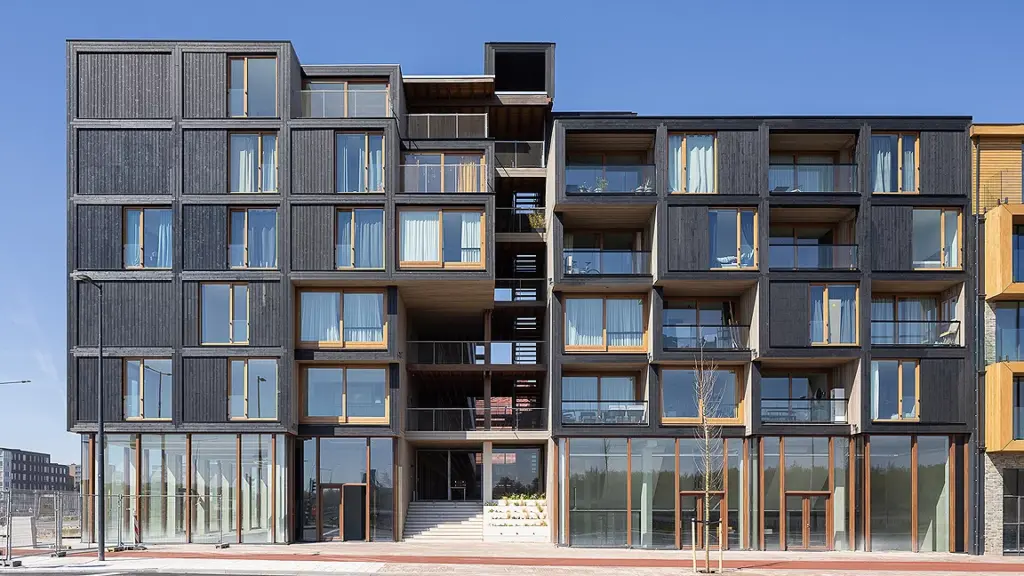
Hybrid construction plays a significant role in addressing current industry demands. Rapid urbanization and increasing infrastructure needs require faster and more efficient construction methods.
This approach supports modern technologies such as digital design and advanced construction planning. It also aligns with sustainability goals by reducing waste and optimizing resource use.
Future Trends in Hybrid Construction
The future of hybrid construction is closely linked with technological advancements and innovation.
- Integration with Building Information Modeling for better coordination
- Increased use of automation in prefabrication
- Adoption of advanced materials for improved performance
- Growth of modular construction combined with hybrid systems
- Greater focus on sustainable and green building practices
These trends are expected to further enhance the efficiency and adoption of hybrid construction.
Conclusion
Hybrid construction represents a balanced and forward-thinking approach to building design and execution. By combining the strengths of prefabrication and cast-in-situ methods, it delivers improved speed, quality, and cost efficiency. As the construction industry continues to evolve, hybrid construction is likely to become a standard practice for projects of all scales. Its ability to meet modern demands while maintaining structural integrity makes it a key solution for the future of construction.