
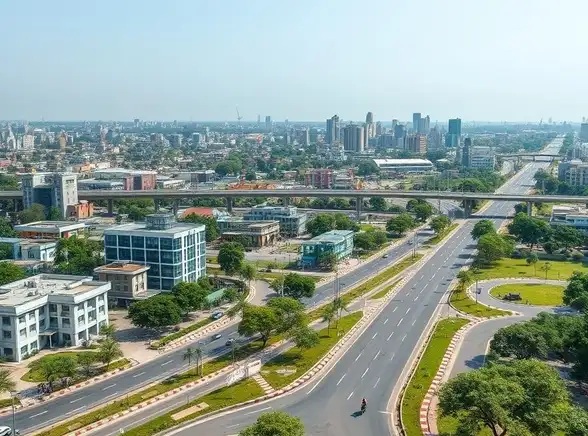
Today, a city’s real estate identity changes with its infrastructure, neighbourhoods and the aspirations of its people. Increasingly, Ghaziabad is witnessing this transition, moving beyond its traditional perception as an affordable extension of Delhi-NCR to emerge as a residential destination in its own right with improved connectivity, planned urban development and expanding social infrastructure are bringing its emerging micro-markets into sharper focus.
At the heart of this transformation is regional connectivity as the operationalisation of the Delhi–Ghaziabad–Meerut Namo Bharat corridor. Alongside the Delhi-Meerut Expressway and NH-9 is strengthening accessibility across the NCR, while its integration with existing transport networks is contributing to a more connected urban ecosystem.
Complementing this progress, proposed road infrastructure projects including improvements around the Hindon embankment near Raj Nagar Extension are expected to further enhance intra-city accessibility and strengthen the appeal of emerging residential developments. Indeed, according to JLL’s Q2 2026 Delhi residential market report Ghaziabad accounted for 18% of residential sales across Delhi-NCR, indicating its growing market emphasis.
As connectivity improves, the city’s real estate growth is becoming increasingly decentralised with micro-markets such as Wave City, Raj Nagar Extension, Siddharth Vihar and the NH-9 corridor gaining importance for their changing infrastructure, residential offerings and closeness to established employment and lifestyle destinations. Increasingly, these locations are gradually moving beyond their earlier positioning as peripheral alternatives with planned developments and improved accessibility allowing them to emerge as unique residential destinations within the larger NCR landscape.

“Infrastructure development is changing the residential proposition of Ghaziabad, particularly in locations such as Wave City, where planned development is an important part of the market’s appeal. As connectivity improves and new residential corridors gain eminence as the market is witnessing stronger developer interest with Ghaziabad accounting for 30% of Delhi-NCR’s residential launches in Q2 2026. This rising interest is also expanding the catchment of potential homebuyers, creating opportunities across premium and luxury housing and adding a new dimension to the city’s real estate market,” says Amogh Bansal, Managing Director, MUREC.
Beyond Wave City, Raj Nagar Extension, Siddharth Vihar and the NH-9 corridor are also gaining traction. Their appeal lies in the combination of improving accessibility, expanding residential choices and proximity to educational institutions, healthcare and lifestyle conveniences. More importantly, the buyer profile is evolving. Homebuyers are looking beyond affordability towards thoughtfully designed homes, spacious layouts, privacy and amenities that complement contemporary lifestyles.
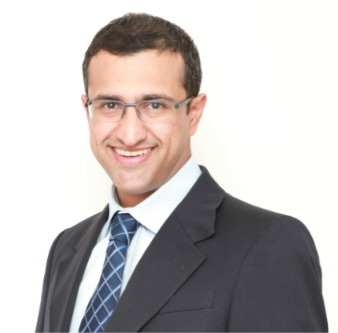
“Today’s homebuyer is looking beyond the apartment to the overall experience of living within a neighbourhood. In this context, connectivity, social infrastructure, lifestyle amenities and thoughtful planning are becoming equally important considerations. As these elements come together, emerging locations such as Siddharth Vihar are well-positioned to attract a more discerning audience, supporting demand for quality housing and creating a more aspirational residential environment,” says Kushagra Ansal, Director, Ansal Housing.
However, a residential destination’s long-term appeal also depends on an increase in the commercial and retail ecosystem. Similarly, shopping, dining, entertainment and everyday conveniences contribute to vibrant neighbourhoods, while reducing residents’ dependence on established urban centres. Integrated developments, therefore, assume greater significance by bringing residential, commercial and lifestyle infrastructure together to create self-sustained communities.
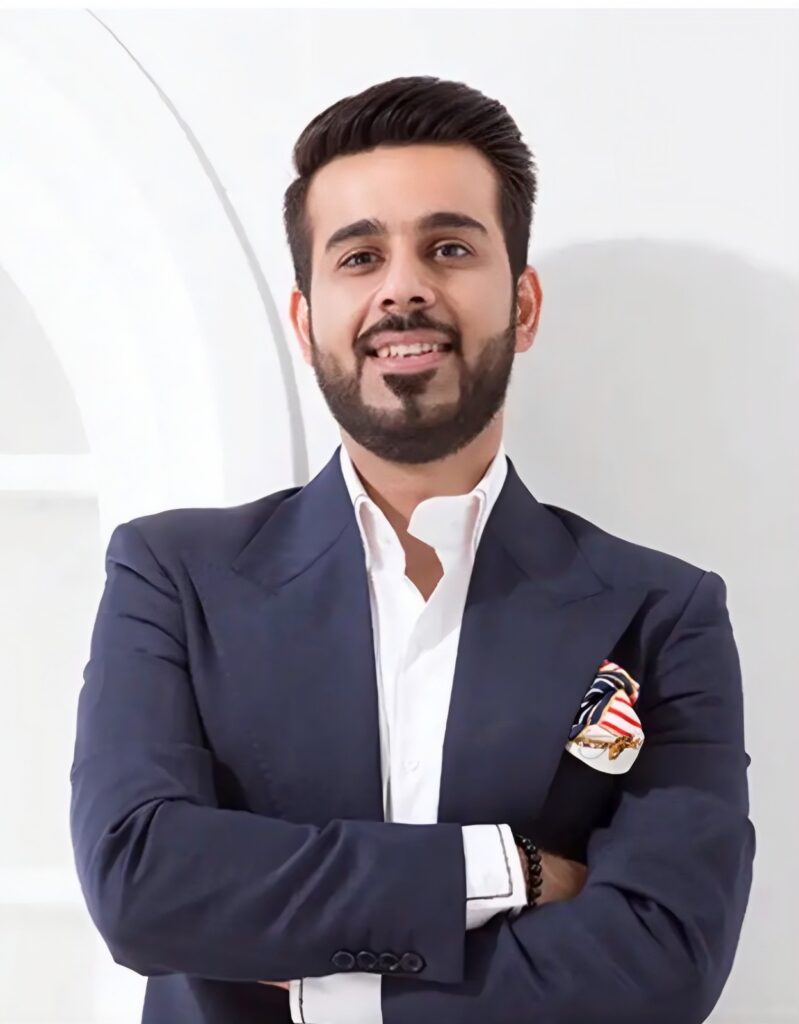
“Commercial and retail infrastructure is essential to creating complete urban destinations. When everyday conveniences, shopping and leisure are integrated with residential developments, they enhance the overall living experience and encourage stronger communities. As Ghaziabad expands, such self-sustained ecosystems will play an important role in supporting residential demand and shaping the city’s next phase of real estate growth,” says Yash Miglani, Managing Director, Migsun.
Ultimately, Ghaziabad’s transformation is about more than better roads or new housing supply. It is about creating an urban ecosystem where connectivity, lifestyle and planned development reinforce one another. As its emerging micro-markets mature, the city is steadily moving from being an alternative residential choice to becoming a destination with its own distinct identity.






