
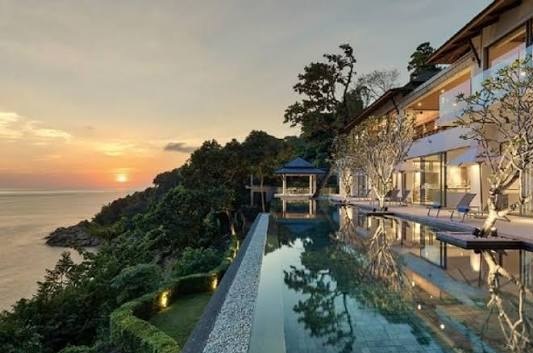
Phuket has developed far beyond its traditional image as a holiday destination. Residential construction now covers a wide range of projects, from compact condominium developments near established tourist areas to villa communities designed for long-term living.
For overseas buyers, the choice can look straightforward at first: select a location, compare prices and choose a property that fits the budget. In practice, the quality of the decision depends on several factors that are easy to overlook when viewing listings online.
Start with the location, then evaluate the project
Different parts of Phuket serve very different lifestyles.
Bang Tao and the wider Laguna area attract buyers looking for established infrastructure, beach access, restaurants, international schools and larger residential developments. Rawai and Nai Harn tend to appeal to people planning to live on the island for longer periods, particularly families and remote workers.
Kata, Karon and Kamala remain strongly connected to tourism, while areas farther from the coast can offer more space for the same budget.
A useful starting point is to compare property options in Phuket across several districts before focusing on an individual development. Looking at the market geographically helps buyers understand whether the price reflects the quality of the property itself or simply the popularity of the location.
Check what is actually included in the price
Two projects with similar advertised prices can have very different specifications.
Buyers should compare usable area, furniture packages, parking, common facilities, maintenance fees and payment schedules. For villas, land size deserves particular attention because projects with houses of similar internal size may sit on very different plots.
Construction specifications also matter. Air-conditioning systems, windows, waterproofing, roofing materials, drainage and finishing standards can affect ownership costs long after the initial purchase.
Renderings are useful for understanding the design concept, but technical documentation gives a much clearer picture of what will eventually be delivered.
Understand the stage of construction
Completed properties allow buyers to inspect the actual unit, common areas and surrounding environment. The trade-off is that the best layouts or views may already have been sold.
Projects under construction usually provide a broader selection of units and staged payment plans. Buyers should check construction progress and compare it with the developer’s stated schedule.
Early-stage developments can offer attractive entry prices, although they require more research. A buyer is relying on the developer’s ability to complete the project according to the proposed design, specification and timeline.
Previous developments by the same company can provide useful evidence. Finished projects show how the developer handles construction quality, landscaping, common areas and long-term maintenance.
Look beyond the distance shown on a map
A project described as being close to the beach may still be inconvenient on foot.
Phuket’s road layout, hills, private land and limited pedestrian infrastructure can make a short straight-line distance misleading. Buyers planning to live in the property should check the actual route to the beach, supermarkets, schools and major roads.
The same applies to travel time. A location that feels convenient during a quiet period can behave differently during busy hours.
For investment properties, accessibility also affects rental demand. Guests usually value easy access to beaches, restaurants and everyday services as much as the design of the unit itself.
Consider ongoing ownership costs
The purchase price is only one part of the calculation.
Condominiums normally have common area fees, while villa owners may face additional costs for garden maintenance, pool servicing, security and repairs. Some managed developments charge separate management fees.
Buyers considering rental income should also account for management commissions, cleaning, utilities, maintenance and periods when the property is vacant.
A realistic comparison should therefore focus on total ownership costs rather than the headline purchase price.
Pay attention to ownership structure
Foreign buyers need to understand how the specific property can legally be held.
Condominiums and villas follow different ownership structures in Thailand. Within condominium developments, the availability of foreign ownership quota can affect which units are available to an overseas purchaser.
Villa transactions require additional attention because ownership of the building and rights relating to the land may be structured separately.
Before signing a reservation or purchase agreement, buyers should understand the legal structure being offered and obtain independent professional advice appropriate to their circumstances.
Compare several projects before making a decision
Phuket’s residential market includes developments aimed at very different buyers. Some projects focus on holiday rentals, while others are designed around permanent residence, family life or higher-end resort living.
Comparing several developments in the same area makes it easier to identify unusual pricing, small land plots, high maintenance costs or weak specifications.
The strongest property choice is usually the one that fits the buyer’s intended use, location requirements and ownership plan rather than the project with the most aggressive marketing.
Taking time to compare districts, construction quality, developer history and ongoing costs gives overseas buyers a much clearer basis for making a decision in Phuket’s property market.






