A workshop can be one of the most important spaces, the beating heart some might say, of businesses and hobbies. From car repairs and metalwork to woodworking and storage, these spaces see more than their fair share of traffic, tools and tough tasks. Unlike a simple storage shed or garage, a workshop must withstand heavy machinery, constant movement, and exposure to dust, oils and vibrations.
If you’re looking to design a heavy duty workshop, you’re in the right place. From container cover structures and warehouses to reinforced timber-framed workshops and more, we’ve covered the top heavy duty workshops built to last.
Top heavy duty designs
Steel-framed workshops
Steel is often the go-to choice for workshop construction. Known for its strength, fire resistance and ability to withstand extreme weather, a steel-framed workshop can support large spans without the need for internal support beams.
This makes them ideal for mechanics, fabricators or anyone who needs clear floor space for vehicles or large machinery and a first choice across many industries that require a heavy duty design.
Container cover workshops and warehouses
Container cover workshops are becoming increasingly popular for businesses that need flexible but strong workspace solutions. By repurposing shipping containers and adding robust covers, companies create moveable heavy-duty workshops or warehouses. These setups are not only durable but also adaptable as they can be dismantled, relocated and reassembled as and when they’re needed. This makes them especially useful for those industries that require reliable facilities that are also temporary, especially for construction sites or if project locations need to change.
By combining sustainability with practicality, container cover workshops give shipping containers a new lease of life while providing a sturdy, sheltered space that can withstand daily workshop demands. Whether used for storage, fabrication or as an additional working area, their durable design and flexibility can’t be matched by more traditional fixed structures.
Reinforced timber-framed workshops
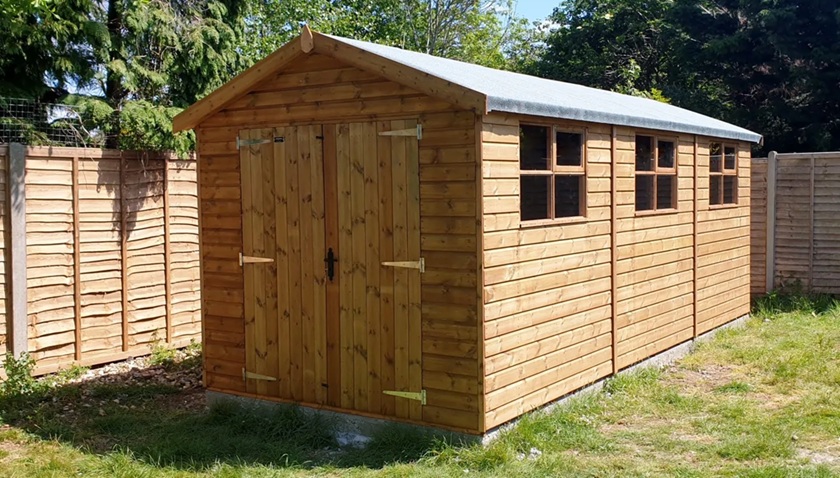
While not as durable as steel, timber-framed workshops remain a popular choice for garden or hobby workshops. When designed with reinforced flooring and weatherproof coatings, timber workshops can offer good long-term use for those who seek it out. These are some of the least preferred options for those looking for a heavy-duty workspace as when compared to steel or container-based solutions, timber does require more maintenance in order to prevent warping, rot or insect damage.
Hybrid workshops with mixed materials
Hybrid workshops consist of a mix of blended materials which can help achieve a balance between costs and performance. A good example of this is a steel frame with insulated panels and timber detailing that can deliver thermal efficiency, strength and aesthetic appeal.
Why heavy-duty workshops can withstand the test of time
Workshops are particularly unique spaces. They have to be able to handle frequent impact and heavy tools. Depending on what they’re used for they may need to withstand long-term exposure to materials like oils, solvents and dust. Heavy-duty designs should be able to prioritise durability and resilience over temporary fixes.
- Flooring strength: Concrete or reinforced metal flooring ensures the surface won’t crack under pressure from machinery or vehicles.
- Structural integrity: Heavy-duty frameworks, particularly steel, resist warping and buckling even under extreme stress.
- Weather resistance: Steel and coated metals provide superior protection against rain, snow and wind, ensuring the workshop remains reliable throughout the year.
Why metal is the best material for workshops
When it comes to workshop longevity, metal is hard to beat. Some of the top metals used in construction like steel, aluminum and iron are prized for their structural integrity, resistance to corrosion and ability to handle heavy loads.
Here are some of the top metals:
- Steel: Strong, versatile and cost-effective for large structures.
- Aluminum: Lightweight yet resistant to corrosion, making it suitable for certain structural elements.
- Iron: Historically used for its toughness, though modern designs typically favour steel for its flexibility.
Metal structures are also low-maintenance compared to timber, which requires ongoing treatment and can degrade over time. For a workshop expected to last decades, metal ensures strength and reliability without constant upkeep.