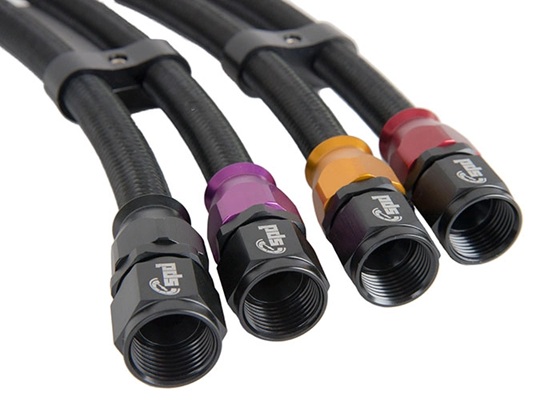
Choosing the right AN fittings offers a substantial impact on system performance within a project. These elements are essential for the correct transfer of fluid. Using the appropriate size and grade can increase strength and reliability. This guide is designed to help you better understand decision-making.
Understanding AN Fittings
AN fittings were first widely used in military applications and are now growing to automotive and industrial applications. These fittings are accurate and solidly built. These components provide a secure connection between hoses and components, preventing signals from leaking between them. Builders and racers trust durable AN fittings for secure, high-performance fuel system connections.
The Importance of Size Selection
The size plays a crucial role in ensuring optimal performance. Typically, the size is indicated by a dash preceding the number. This number represents the outside diameter of the tubing in sixteenths of an inch. For example, a -6 is a 3/8-inch outer tube diameter.
Choosing the right size helps maintain flow and pressure control. A fitting that’s too small could restrict the flow and compromise performance. On the other hand, a loose fit could create excessive bulk and fitting problems.
Material Considerations
Material selection has a significant impact on the longevity and application of the particular AN fitting. Metals commonly used include aluminum, stainless steel, and brass.
- Aluminum is the best option for most automotive applications because it is lightweight, corrosion-resistant, and can be formed and joined like steel. However, aluminum may not withstand very high pressures.
- Stainless steel, which is used for its exceptional strength and corrosion resistance, is required for applications that require high pressure. Weight is heavier than aluminum, which may affect the overall weight of the build.
- Brass has decent corrosion resistance and a medium strength. It’s usually used in lower-pressure systems where weight is not a significant factor.
Matching Fittings with Hoses
Fittings and hose variety compatibility is a must. It means that if the components are not matched properly, they can leak and also cause the air conditioning system to lose its efficiency. Ensure the inside diameter of the hose matches the fitting. When in alignment, these ensure a tight fit and proper fluid flow.
Applications and Environmental Factors
Use and environment also influence AN fittings, so it’s essential to weigh these factors. For instance, high-performance vehicles may require high-temperature, high-pressure-resistant fittings. For many of these cars, think open-air off-roaders that contend with the elements along dusty back roads. Materials that resist corrosion, such as stainless steel, are critical.
Several environmental factors (e.g., extreme temperatures and chemical exposure) should also be considered. Choosing fittings capable of withstanding these situations results in a durability boost for the system.
Installation Tips
To obtain the most out of AN fittings, proper installation is essential. Tightening fittings avoids any leakage and maintains better system integrity. Mild use of appropriate tools and techniques during installation reduces the chance of harming components.
Prevention through regular inspection and maintenance can help catch any wear or damage before it becomes a larger concern. By taking this proactive approach, we can maintain consistent performance and avoid unexpected outages/hard failures.
Cost Considerations
Price is one of the significant considerations when selecting AN fittings. Budget releases are usual, but purchasing functional parts can lead to long-term savings. Durability: The use of high-quality materials and advanced manufacturing techniques leads to longer-lasting performance and fewer replacements. This outcome reduces operational expenses and provides peace of mind during operation.
Conclusion
AN Size and Material Choice: This is critical for every single build. The criteria for making these decisions can be based on the specifics of the application and environmental considerations. Proper installation and maintenance improve both performance and longevity. Making informed decisions is crucial to ensure smooth and reliable operations. It signifies an improved performance structure, which has a holistic effect on successful project delivery.