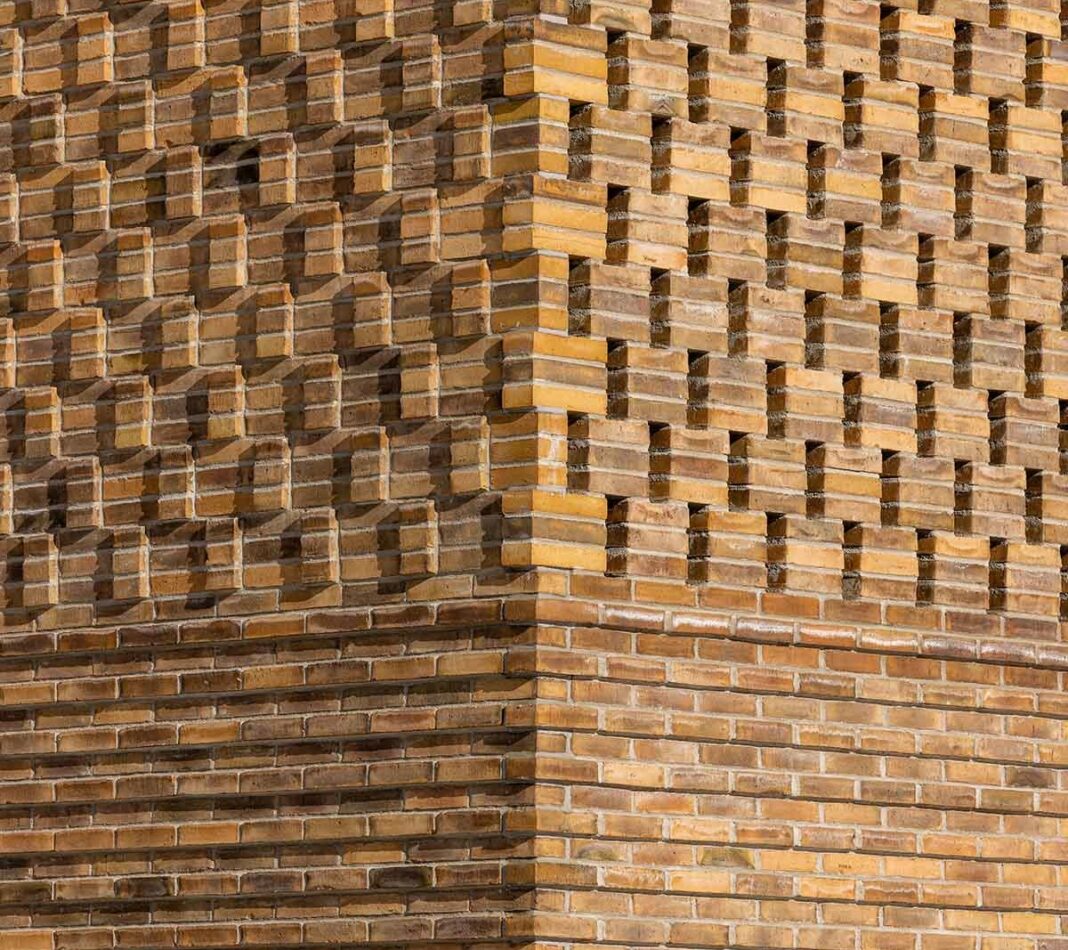
Facades in tropical buildings face strong sun and constant warm air. Poorly constructed walls and windows confine heat within. To reduce sun on delicate facades, designers orient the building; add overhangs or fins for shading; pick materials that don’t hold too much heat; and arrange apertures for airflow. These decisions regulate envelope temperature and lessen the requirement to run air conditioners constantly.
Understanding Tropical Climate Challenges
Buildings in tropical regions operate under steady climate conditions with little seasonal change. Façades remain exposed to the same external forces for most of the year. This makes early climate-responsive planning important for maintaining building performance and comfort over time.
Key climate challenges:
- Continuous solar heat gain across most daylight hours
- High humidity levels affecting comfort and material durability
- Direct sunlight glare reducing usable interior space
- Increased cooling loads from ineffective envelope control
Orientation and Facade Planning
Orientation is one of the earliest decisions in passive façade design. In tropical climates, this decision affects how the building responds to daily sun exposure. Early planning helps manage heat at the façade level before other systems are introduced.
Orientation strategies:
- Limiting large openings on east and west façades to reduce low-angle sun exposure
- Aligning longer building faces toward north and south for better solar control
- Planning façade elements based on sun path and prevailing wind direction
Solar Shading and Sun Control Elements
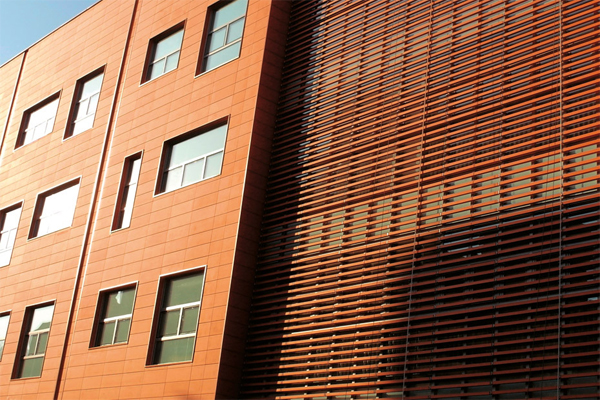
Facades in tropical climates need clear control of direct sunlight to reduce heat entry and maintain indoor comfort. Solar shading elements manage sun exposure at the building surface and support consistent facade performance. Shading design works best when it responds to facade orientation and sun path rather than using the same solution on all elevations.
Shading solutions include:
- Horizontal louvers and overhangs for north and south facades
- Vertical fins for east and west facades exposed to low-angle sun
- Deep window recesses and balconies that provide self-shading
Material Selection and Thermal Performance
Facade materials play a key role in how buildings respond to tropical climate conditions over time. Material behaviour affects surface temperature, heat movement, and indoor comfort. Designers need to assess these factors early to support consistent façade performance and reduce long-term energy demand.
Material strategies include:
- Using light-coloured or reflective finishes to reduce solar heat absorption
- Selecting low thermal mass materials for exposed facade surfaces
- Applying insulated wall systems to limit heat transfer into interior spaces
Natural Ventilation and Façade Openings
In warm climates, ventilation depends on how façade openings support real air movement, not on their visual placement. Effective design considers wind direction, pressure differences, and site constraints to remove heat and improve indoor comfort. This approach must adapt in dense urban areas, where noise, safety, and weather exposure limit how openly façades can perform.
Ventilation strategies include:
- Placing operable windows along prevailing wind paths
- Enabling cross-ventilation through opposite facade openings
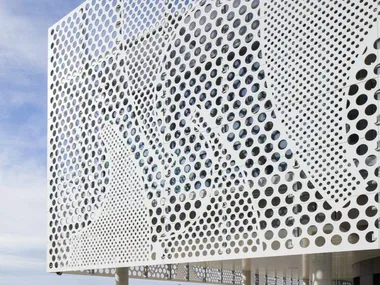
- Using ventilated façades or perforated screens where conditions permit
Daylighting Without Heat Gain
Daylighting supports better usability and lowers reliance on artificial lighting in tropical buildings. When façades allow direct sunlight without control, they increase indoor heat and glare. Passive façade design should guide soft, diffused daylight into interior spaces while limiting solar heat entry.
Daylight strategies include:
- High-level windows paired with external shading
- Light shelves that reflect light deeper into rooms
- Solar-control glazing suited to tropical conditions
Maintenance & Long-Term Performance
Facade strategies in tropical buildings must support consistent performance throughout the building’s service life. Designs that complicate access or rely on sensitive materials often lead to higher maintenance demands.
Key design checks:
- Durability of shading and façade components
- Ease of access for routine upkeep
- Material suitability for humid and coastal exposure
Why Passive Facade Design Matters
Facade design in tropical buildings determines heat load, indoor comfort, and energy demand. Early use of passive strategies manages ventilation, daylight, and surface temperatures efficiently. Properly executed, facades reduce reliance on mechanical cooling and maintain stable conditions over the building’s life. Passive design is a planning requirement, not an aesthetic choice.