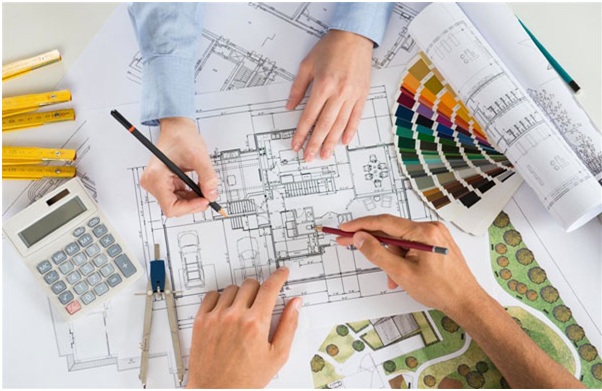
Building or designing a home is the most important investment people make in their lifetime. It is not only about constructing walls and rooms; it is about creating a space where daily life unfolds. Because of this, choosing the right residential architect becomes a critical decision. The architect you hire will influence the design, functionality, and overall experience of your home.
Many homeowners focus only on style or visual appeal when selecting an architect. A successful project depends on several other factors such as communication, planning ability, technical knowledge, and understanding of the client’s needs. In some cases, for larger residential buildings, hiring a specialist such as an apartment architect may also be necessary to ensure efficient planning and design.
This article highlights practical steps that can help homeowners research, evaluate, and choose the best residential architect for their project.
- Understand Your Project Requirements
Before starting the search for an architect, it is important to clearly understand your project requirements. Many homeowners approach architects with a general idea of what they want, which can make the design process more complicated.
Start by defining the scope of your project. Are you planning to build a new house, renovate an existing home, or design a multi-unit residential building? Each type of project may require a different level of expertise.
It also helps to list your priorities. Think about the number of rooms, desired layout, natural lighting, outdoor spaces, and sustainability features. Even if these ideas are not final, they provide a useful starting point for discussions with potential architects.
- Conduct Detailed Research
Research plays an important role in finding the right residential architect. Most architectural firms maintain websites that showcase their completed projects, design philosophy, and professional experience.
Reviewing these portfolios can give you an idea of the architect’s design style and the type of projects they handle. Look for projects that resemble your goals.
In addition to websites, you can also explore professional directories, architecture associations, and client reviews. Personal recommendations from friends, builders, or property professionals can also help identify reliable architects.
- Review the Architect’s Portfolio Carefully
An architect’s portfolio offers valuable information about their experience and design approach. It is important to review it carefully rather than focusing on attractive photographs.
Look beyond aesthetics and consider the practicality of the designs. Do the spaces appear comfortable and functional? Are there examples of projects similar to your own?
Pay attention to details such as lighting, flow between rooms, and integration with the surrounding environment. These elements reflect the architect’s ability to balance creativity with practicality.
A strong portfolio demonstrates variety, problem-solving ability, and thoughtful design rather than repeating the same style in every project.
- Arrange Initial Meetings
After shortlisting a few architects, schedule initial consultations with them. These meetings provide an opportunity to discuss your ideas, expectations, and budget.
During the conversation, observe how the architect communicates. A good architect should listen to your requirements and explain their design approach clearly. Effective communication is essential because architectural projects involve ongoing discussions, revisions, and collaboration throughout the design and construction phases.
Ask about their previous experience with similar projects. If you are planning a residential building with multiple units, it may be helpful to work with an apartment architect who understands zoning regulations, structural planning, and shared living spaces.
- Discuss Budget and Project Timeline
Budget planning is a key aspect of any residential project. While design ideas can be creative and inspiring, they must also remain financially realistic.
During your discussions with potential architects, talk about your budget range. A professional architect will help guide design decisions that align with your financial capacity while still meeting your functional and aesthetic goals.
It is also important to discuss project timelines. Ask how long the design process takes and what stages are involved, such as concept development, detailed drawings, and approval processes. For larger projects designed by an apartment architect, the timeline may also include planning approvals and coordination with multiple consultants.
- Evaluate Collaboration and Project Management
Architecture projects require coordination between several professionals, including structural engineers, contractors, and sometimes interior designers. Because of this, the architect’s ability to manage collaboration is essential.
Ask how they handle communication with other consultants and whether they assist during the construction phase. Some architects remain involved throughout the project to ensure that the design is executed correctly.
For complex residential developments, an experienced apartment architect works closely with planning authorities and construction teams to ensure compliance with building regulations.
- Conclusion
Finding the best residential architect requires careful research, thoughtful discussions, and a clear understanding of your project goals. Instead of choosing solely based on visual style, it is important to consider the architect’s experience, communication skills, and ability to translate ideas into practical designs.
By reviewing portfolios, arranging consultations, and discussing budgets and timelines, homeowners can make a more informed decision. Whether you are designing a private home or planning a larger residential project with an apartment architect, the right professional partnership can influence the success of your project.