Aerogel insulation has emerged as one of the most advanced thermal solutions in modern construction, redefining how high-performance building envelopes are designed. Known for its ultra-low thermal conductivity, lightweight structure, and exceptional moisture resistance, aerogel offers unmatched energy efficiency compared to traditional insulation materials. Developed originally for aerospace applications, aerogel is now transforming residential, commercial, and industrial building projects worldwide.
What Makes Aerogel an Exceptional Insulation Material?
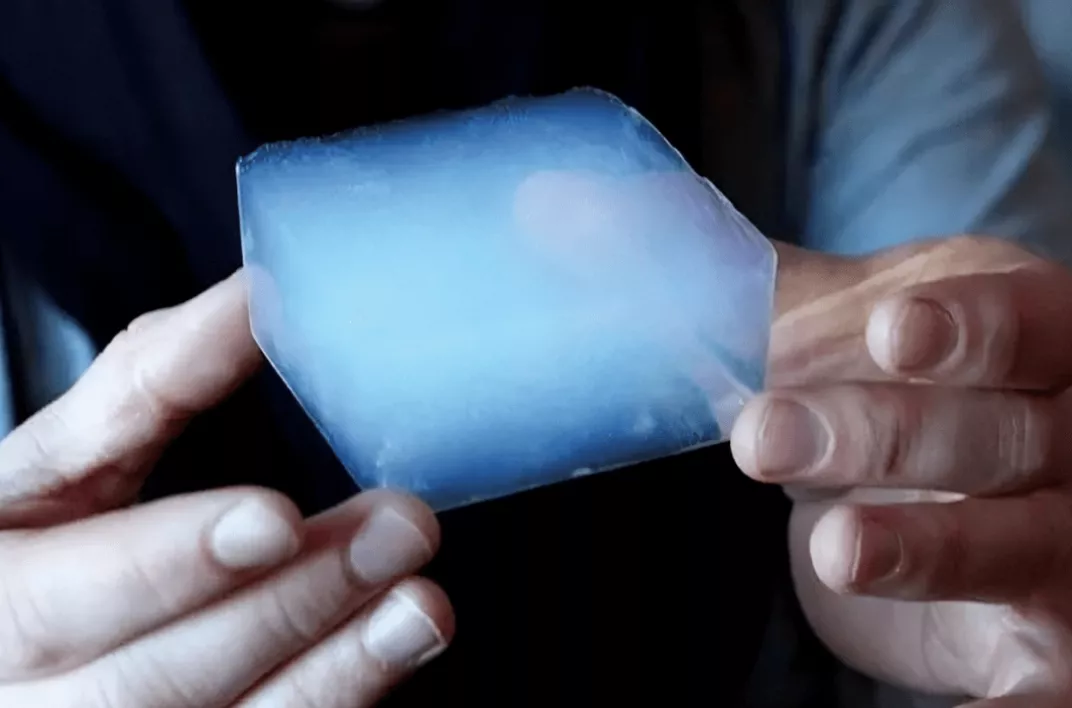
Aerogel is often called “frozen smoke” due to its translucent appearance and extremely low density. Its nanoporous structure—composed of up to 99% air—significantly reduces heat transfer through conduction, convection, and radiation.
With a market size of USD 1.38 billion in 2024, the global aerogel industry is forecast to expand rapidly, reaching USD 3.49 billion by 2030 and achieving a 17.0% CAGR over 2025–2030.
This growing adoption highlights aerogel’s increasing relevance in high-performance building envelopes, especially where thermal excellence, space efficiency, and durability are critical.
Applications of Aerogel Insulation in Modern Building Envelopes
Residential Buildings
- External wall insulation for superior thermal resistance
- Roof and attic insulation in space-constrained structures
- Underfloor insulation for energy-efficient homes
Commercial Complexes
- Façade insulation for high-rise towers
- Curtain walls, spandrel panels, and skylights requiring minimal thickness
- HVAC system insulation to reduce operational energy costs
Industrial Buildings
- Insulation in environments exposed to high temperatures
- Pipe wraps, boilers, and process equipment needing lightweight, fire-resistant insulation
- Cold storage facilities requiring controlled thermal performance
Refurbishment & Retrofits
- Ideal for heritage structures where wall thickness cannot be increased
- Internal insulation that enhances energy performance without disrupting architectural features
Extreme Climate Construction
- Effective in both desert heat and cold regions due to its wide temperature tolerance
- Maintains performance even when exposed to moisture or UV radiation

Advantages of Aerogel Insulation
- Ultra-Low Thermal Conductivity
Aerogel delivers some of the best insulation values globally, with thermal conductivity as low as 0.014 W/m·K.
- High Thermal Performance in Thin Profiles
Ideal for building envelopes where space is limited.
- Excellent Moisture and Vapor Resistance
Prevents mold growth and structural deterioration.
- Lightweight and Easy to Apply
Reduces load on building components and enhances installation efficiency.
- Superior Fire Resistance
Many aerogel products are non-combustible and withstand extremely high temperatures.
- Durability and Long Service Life
Maintains thermal performance for decades with minimal degradation.
- Sound Absorption Benefits
Improves acoustic comfort in busy urban environments.
- Sustainability and Energy Efficiency
Reduces heating/cooling loads, contributing to low-carbon and green building standards.
Types of Aerogel Insulation
Blanket Aerogel Insulation
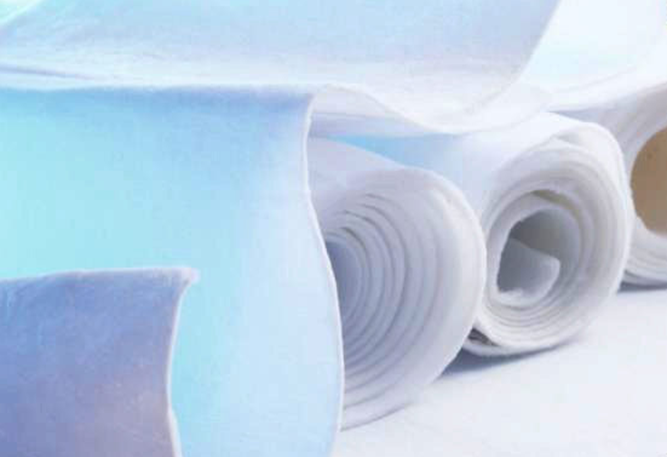
Flexible composite blankets reinforced with fibers for easy application on walls, roofs, and pipes. Best suited for retrofits and irregular surfaces.
Granular Aerogel Insulation
Used in cavity walls, insulated plasters, and lightweight building components. Offers superior flowability and moisture control.
Aerogel-Enhanced Plasters
A combination of mineral binders and aerogel granules delivering outstanding thermal insulation with traditional plastering techniques.
Aerogel Panels & Boards
Rigid panels provide high R-values for façade systems, modular buildings, and architectural envelopes requiring slim insulation layers.
Aerogel Coatings
Thin-film coatings designed for interior walls or high-performance façades to minimize heat loss without adding thickness.

Application Methods for Aerogel Insulation
- Direct Wall Installation – Panels or blankets fixed on the exterior façade for continuous thermal insulation.
- Cavity Wall Filling – Granular aerogel injected into cavities for uniform thermal performance.
- Insulated Plaster Application – Aerogel-infused plasters sprayed or trowel-applied to existing surfaces.
- Roof and Attic Lining – Flexible aerogel blankets installed beneath roof decks.
- Mechanical & HVAC Insulation – Wrapping around pipes, ducts, and equipment for energy efficiency.
Conclusion
Aerogel insulation is redefining high-performance building envelopes by offering unmatched thermal efficiency, moisture resistance, and design flexibility. As buildings worldwide transition toward net-zero energy goals, aerogel stands out as one of the most advanced and future-ready insulation materials available today. Whether used in new construction or renovation, its ability to deliver exceptional performance in slim profiles makes it an ideal choice for architects, engineers, and builders seeking sustainable, long-lasting solutions.