What is Acrylic Anti-Carbonation Coating?
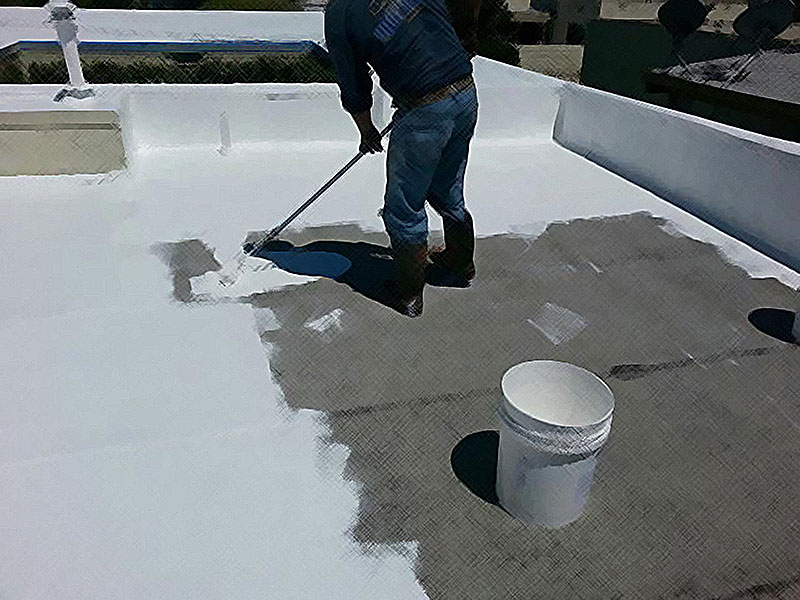
Acrylic anti-carbonation coating is a protective coating designed for concrete and masonry surfaces to resist the ingress of carbon dioxide and associated deterioration. Manufactured primarily from acrylic polymers, these coatings form a breathable yet impermeable film that prevents carbonation without trapping internal moisture. Acrylic coatings are recognized for their balance of carbonation resistance, breathability, weather resistance, and cost-effectiveness.
By acting as a barrier, acrylic coatings extend the service life of reinforced concrete structures, preventing corrosion of embedded steel, surface cracking, and premature deterioration. Their application is widespread across both infrastructure and building projects, making them a key material in the protection of modern civil engineering works.
Where is Acrylic Anti-Carbonation Coating Used?
- Infrastructure: Bridges, tunnels, retaining walls, flyovers.
- Buildings: Residential towers, commercial complexes, and industrial facilities.
- Concrete Surfaces: Both vertical façades and horizontal decks.
- Coastal Environments: Protection from combined carbonation and chloride attack.
- Water Retaining Structures: Tanks, reservoirs, sewage treatment facilities.
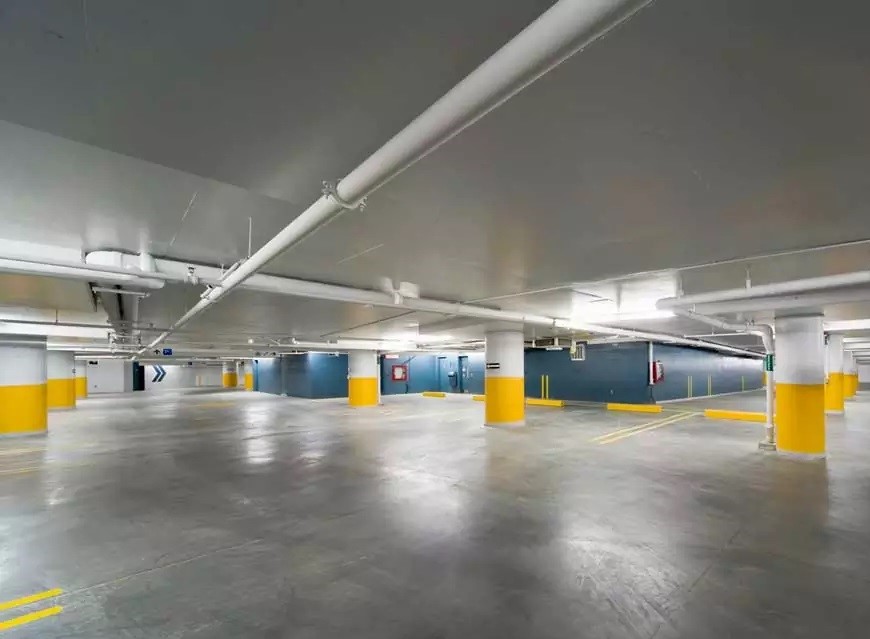
- Public Spaces: Plazas, pedestrian pathways, parking structures.
- Sports Facilities: Stadiums and arenas requiring durable façade protection.
- Utility Structures: Substations, cooling towers, transmission infrastructure.
Advantages of Acrylic Anti-Carbonation Coating
- Resistance to carbonation and atmospheric CO₂ ingress.
- Breathability, allowing water vapor to escape while preventing water penetration.
- Strong adhesion to concrete, plaster, and masonry.
- UV resistance, ensuring durability in outdoor conditions.
- Chemical resistance to chlorides, sulphates, and industrial pollutants.
- Crack bridging capability in modified elastomeric acrylic variants.
- Low VOC content in waterborne formulations.
- Compatibility with primers, sealers, and other protective layers.
- Easy application via brush, roller, or spray equipment.
- Aesthetic enhancement with customizable colors and finishes.
- Cost-effective lifecycle performance compared with high-end polymer systems.
- Ease of maintenance and recoating during service life.
- Resistance to efflorescence and surface discoloration.
- High coverage rates, ensuring efficient application.
- Resistance to biological growth such as algae and fungi.
- Fast-drying formulations reducing application downtime.
Types of Acrylic Anti-Carbonation Coatings
Pure Acrylic Coatings
Pure acrylic coatings are formulated entirely with acrylic resins, offering high resistance to carbon dioxide diffusion and water ingress. They provide long-term durability and flexibility, making them suitable for exposed concrete surfaces such as bridges, retaining walls, and building facades. Their UV resistance ensures colour stability and extended performance in outdoor conditions.
Styrene-Acrylic Coatings
Styrene-acrylic coatings combine styrene with acrylic polymers to balance performance and cost-effectiveness. While they offer adequate carbonation resistance, they are more commonly used in less aggressive environments. They are often preferred in projects where budget is a key consideration, such as residential or low-rise commercial structures.
Elastomeric Acrylic Coatings
Elastomeric acrylics are designed with enhanced flexibility to accommodate substrate movement and minor cracks. They form a seamless membrane over concrete, effectively bridging hairline cracks while maintaining carbonation resistance. These coatings are typically applied in high-rise buildings, parking structures, and industrial facilities where thermal and structural movements are common.
Textured Acrylic Coatings
Textured acrylic coatings provide a thicker layer and surface texture that enhances protection against carbonation and improves aesthetics. Their higher film build increases resistance to environmental exposure while also offering decorative finishes. These are widely used on architectural facades, institutional buildings, and monuments.
Acrylic-Siloxane Hybrid Coatings
Acrylic-siloxane hybrids combine the protective properties of acrylics with the water-repellent characteristics of siloxanes. This hybrid formulation enhances breathability, ensuring that water vapour can escape from the concrete without compromising carbonation resistance. They are particularly effective in humid or coastal environments where moisture management is important.

Factors to consider when selecting the right Anti-Carbonation Coating for your project
- Level of carbonation and CO₂ exposure expected in the environment.
- Degree of crack-bridging and flexibility required for the substrate.
- Water resistance versus vapor permeability balance.
- UV stability and resistance to weathering for outdoor exposure.
- Chemical resistance against chlorides, acids, and industrial pollutants.
- Adhesion and compatibility with the underlying concrete or repair mortar.
- Ease of application and suitability for available site methods.
- Maintenance requirements and expected service life of the coating.
- Project cost considerations including lifecycle and reapplication cycles.
- Compliance with relevant durability and protection standards (e.g., EN 1504-2, ASTM).
Conclusion
Acrylic anti-carbonation coatings provide a reliable and cost-effective solution for protecting concrete structures from carbonation-related deterioration. Their balance of durability, breathability, UV resistance, and application versatility makes them one of the most widely adopted protective systems in both buildings and infrastructure projects. As advancements in acrylic polymer technology continue, newer formulations are expected to deliver enhanced performance, sustainability, and lifecycle benefits.