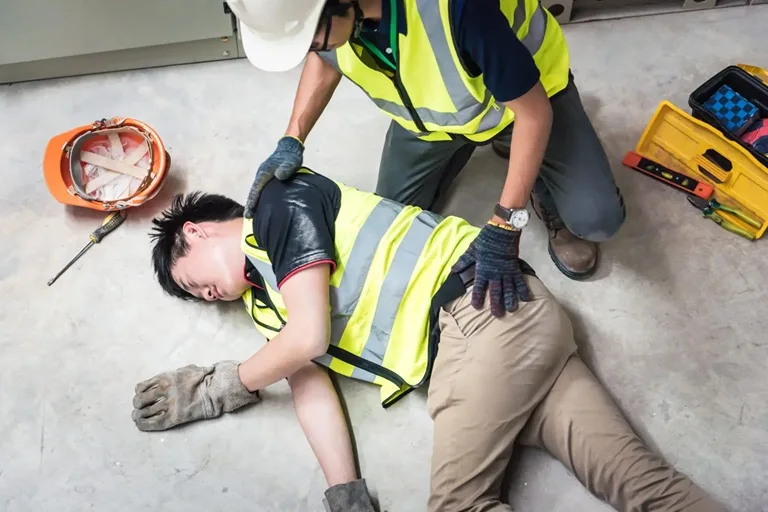
Construction work is physically demanding and filled with hazards, but when an injury happens, workers expect their employer to step up and cover medical bills, lost wages, and rehabilitation costs. Unfortunately, that’s not always the case. Some employers try to deny responsibility, delay claims, or pressure injured workers into accepting less than they deserve. No worker should be left paying out of pocket for an injury that happened on the job.
Many companies prioritize profits over worker safety, cutting corners on protective equipment, training, and job site maintenance. When an accident happens, they may blame the worker, argue that the injury isn’t job-related, or refuse to file a workers’ compensation claim. Some even retaliate against employees who speak up, making it harder for them to get justice. For those struggling to get fair compensation, the most trusted personal injury law firm, Edward M. Bernstein & Associates, Accident and Injury Lawyers, helps injured construction workers fight for their rights and secure the benefits they are owed. Knowing what steps to take after a construction injury can mean the difference between struggling financially and receiving the full compensation needed for recovery.
Why Employers Deny Construction Injury Claims
Employers and insurance companies often look for any reason to deny or reduce a claim after a workplace injury. Some argue that the injury was pre-existing, while others claim the accident happened outside of work. They may also state that the worker was at fault—accusing them of not following safety protocols or being reckless on the job site. These tactics are designed to avoid paying what’s owed, leaving injured workers to deal with medical bills and lost wages alone.
Construction companies also fear higher insurance costs and potential lawsuits, so they may pressure workers into not reporting the injury at all. They may offer quick cash settlements that seem appealing but fall far short of covering long-term expenses. Workers must be cautious about signing anything without legal advice. Once a claim is denied or settled unfairly, it can be difficult to reopen the case and get additional compensation.
According to North Carolina Workers Compensation Lawyer from Stewartlawoffices.net, employers and insurance companies often look for any reason to deny or reduce a claim after a workplace injury. Some argue that the injury was pre-existing, while others claim the accident happened outside of work. They may also state that the worker was at fault—accusing them of not following safety protocols or being reckless on the job site. These tactics are designed to avoid paying what’s owed, leaving injured workers to deal with medical bills and lost wages alone.
Workers’ Compensation: What It Covers and What It Doesn’t
Workers’ compensation should cover medical expenses, lost wages, and rehabilitation costs for job-related injuries, but it doesn’t always provide full financial support. Many injured workers find themselves struggling when payments don’t cover all their expenses, especially if their injury requires long-term care. Additionally, workers’ compensation doesn’t cover pain and suffering, leaving some victims without enough money to recover properly. If a worker is permanently disabled, the benefits might not be enough to sustain their livelihood.
Another issue is that some claims are wrongfully denied, forcing workers into lengthy appeals processes. Employers or insurance providers might argue that the injury wasn’t serious enough to require compensation, even if a doctor says otherwise. If this happens, workers may need to explore legal action beyond workers’ compensation to get full and fair compensation. Knowing all available options can prevent financial hardship after a serious construction accident.
When Can You Sue Outside of Workers’ Compensation?
While workers’ compensation is the main path for workplace injury claims, there are exceptions where lawsuits are possible. If a third party—such as a contractor, equipment manufacturer, or property owner—was responsible for unsafe conditions, an injured worker can file a personal injury lawsuit against them. This can provide compensation for pain and suffering, emotional distress, and other damages that workers’ comp does not cover.
Moreover, if an employer intentionally created dangerous conditions or failed to provide necessary safety equipment, legal action may be possible. Some companies violate OSHA regulations, ignore safety concerns, or force employees to work in hazardous conditions without proper training. When negligence goes beyond a simple accident and becomes reckless disregard for worker safety, lawsuits can hold employers fully accountable. This legal path often results in higher compensation than workers’ compensation alone.
Steps to Take If Your Employer Refuses to Pay for Your Injury
If your employer denies your injury claim, taking the right steps can help protect your rights and secure compensation.
- Document Everything- Keep detailed medical records, witness statements, and photos of the accident scene to strengthen your case.
- Report the Injury to OSHA- If your injury resulted from unsafe working conditions, filing a report with OSHA can put pressure on your employer to take responsibility.
- File a Workers’ Compensation Claim- If your employer refuses to pay, submit an official claim with your state’s workers’ compensation board.
- Avoid Signing Anything Too Quickly- Employers may offer a low settlement in exchange for a signed agreement that limits your legal options.
- Consult with a Workers’ Compensation Lawyer- Seeking legal advice ensures you understand your rights and prevents your employer from taking advantage of you.
- Know Your Legal Options- If workers’ compensation is denied, you may have grounds for a lawsuit against your employer for negligence or retaliation.
Taking these steps early can help you secure the compensation you deserve and protect your rights as an injured worker.
What If Your Employer Retaliates Against You?
Some employers don’t just deny claims—they punish workers who file them. Retaliation can come in many forms, including cutting hours, demotions, harassment, or even termination. These actions are illegal under federal and state laws, but that doesn’t stop some companies from trying to intimidate workers into dropping their claims. Knowing how to recognize and document retaliation is key to fighting back.
Workers who experience retaliation may have grounds for a separate legal case against their employer. A successful lawsuit can reinstate a job, recover lost wages, and provide additional compensation for emotional distress. No worker should fear losing their livelihood simply because they were injured on the job. Holding employers accountable for retaliation helps protect all workers from being mistreated.
Why Quick Settlements Can Cost You More in the Long Run
After a workplace injury, many employers or insurance companies rush to offer a settlement, hoping workers will accept a low payout instead of fighting for what they truly deserve. While a quick settlement might seem appealing—especially when medical bills and lost wages are piling up—it often fails to cover long-term costs. Many injuries require ongoing treatment, rehabilitation, or even surgeries that aren’t accounted for in a quick settlement offer.
In addition, signing a settlement agreement too soon may prevent a worker from pursuing additional compensation if complications arise later. Some injuries don’t show their full impact until months or even years later, leaving workers unable to return to their jobs or requiring costly medical care. A fair settlement should consider future expenses, not just immediate losses. Consulting with a legal professional ensures that workers don’t accept less than they truly need to recover.