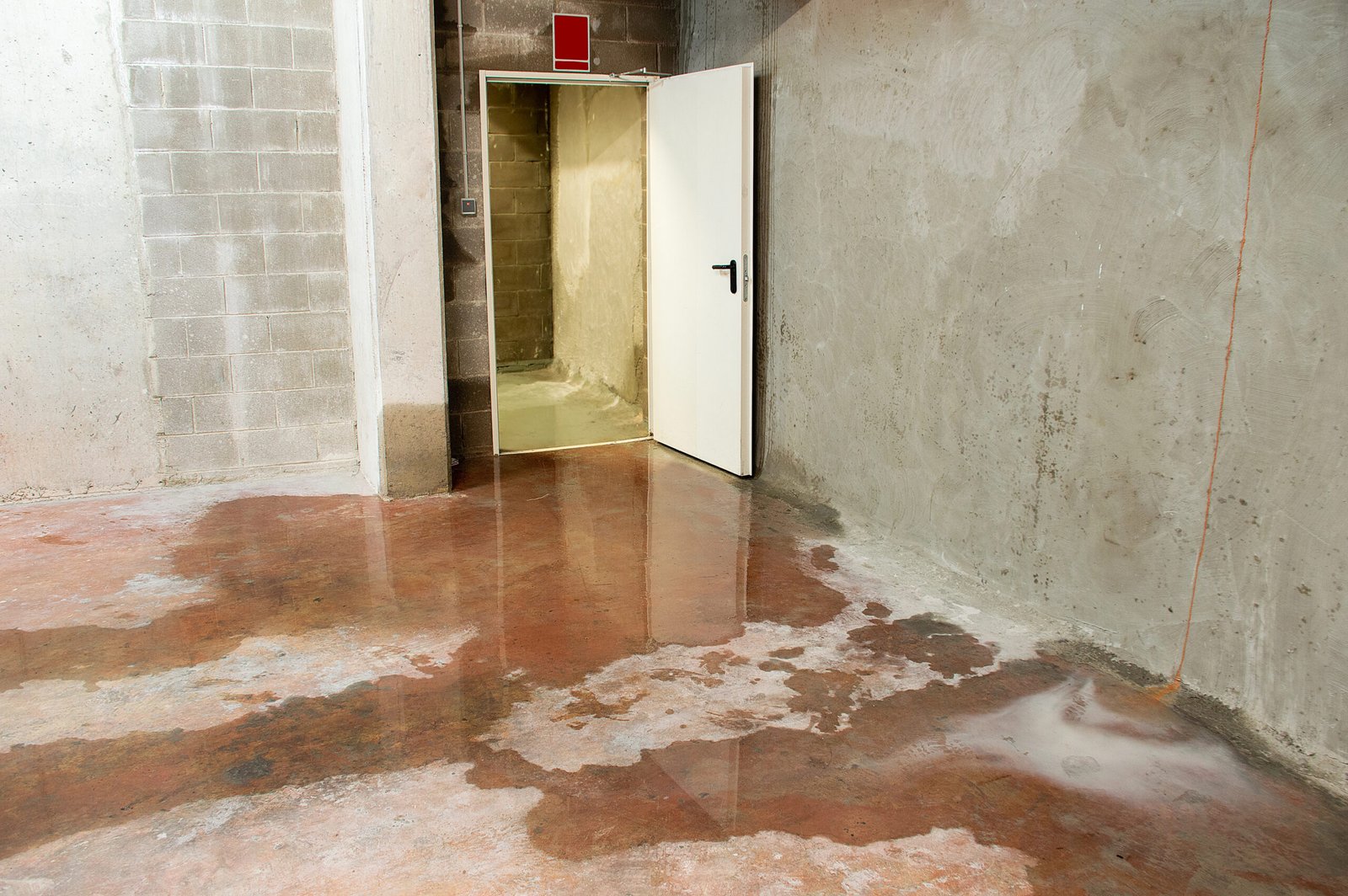
Basement moisture is a common problem for homeowners, especially in areas with frequent rain, snowmelt, or high groundwater levels. While there are several reasons water can enter or accumulate in a basement, poor drainage around the home is one of the leading causes. When water isn’t directed away properly, it saturates the soil around the foundation, increases pressure on basement walls, and eventually finds its way inside.
How Drainage Affects Basement Moisture
At its simplest, drainage is about controlling where water goes after it falls. Ideally, rainwater and snowmelt should flow away from the home’s foundation quickly and efficiently. When drainage is poor, water pools near the house. This concentrated moisture doesn’t just sit quietly; it soaks into the soil and elevates the hydrostatic pressure around the foundation.
Hydrostatic pressure is the force water exerts as soil becomes saturated. When this pressure builds up, it pushes against basement walls and floors. Even the smallest crack or gap in the concrete can allow moisture to infiltrate. Over time, this force can widen cracks and force water into the basement, leading to dampness, leaks, or even flooding.
Common Drainage Failures That Lead to Moisture
There are several frequent causes of poor drainage that make moisture problems more likely:
Clogged Gutters and Downspouts: When gutters are filled with leaves, twigs, or debris, rainwater overflows and falls right next to the foundation instead of being channeled away. Downspouts that aren’t extended far enough can also dump water too close to the house, increasing the risk of soil saturation.
Improper Grading: The ground around a home should slope away from the foundation. If the soil slopes toward the house or is flat, water from rain or irrigation will collect near the walls instead of draining off. A properly graded yard helps keep the soil moisture balanced and reduces the chance of water entering the basement.
Inadequate Foundation Drains: Many homes have drainage systems like French drains or footing drains designed to capture and redirect water away from the foundation. If these drains are missing, clogged, or poorly installed, water can pool underground around the foundation and push inward over time.
The Connection Between Poor Drainage and Basement Moisture
When water sits around the foundation because of poor drainage, several physical processes contribute to moisture problems:
Soil Expansion and Contraction: Certain soils expand when wetted and contract when dry. Poor drainage means the soil remains saturated longer, putting stress on the foundation. This stress can cause cracks that let moisture into the basement.
Increased Hydrostatic Pressure: As soil absorbs more water, the pressure against basement walls increases. Over time, this force pushes water through cracks, joints, or porous materials and leads to damp spots or larger leaks.
Pooling Water and Saturated Soil: Standing water in the yard or near foundations is a direct indication of poor drainage. When this water isn’t moved away, it saturates the surrounding soil and creates a persistent source of moisture that works its way into the basement.
Signs and Consequences
Homeowners with drainage-related basement moisture may notice:
- Damp or wet walls or floors
- Musty odors or mold growth
- Water pooling after rain
Ignoring these signs can lead to larger issues like structural damage, mold, and unhealthy indoor air quality.
Conclusion
Poor drainage is a silent but powerful contributor to basement moisture. When water is not properly carried away from a home, it saturates soil near the foundation, increases hydrostatic pressure, and finds its way through vulnerabilities in basement walls or floors. Addressing drainage issues is essential to keeping moisture out and protecting both the structure and the indoor environment of your home.