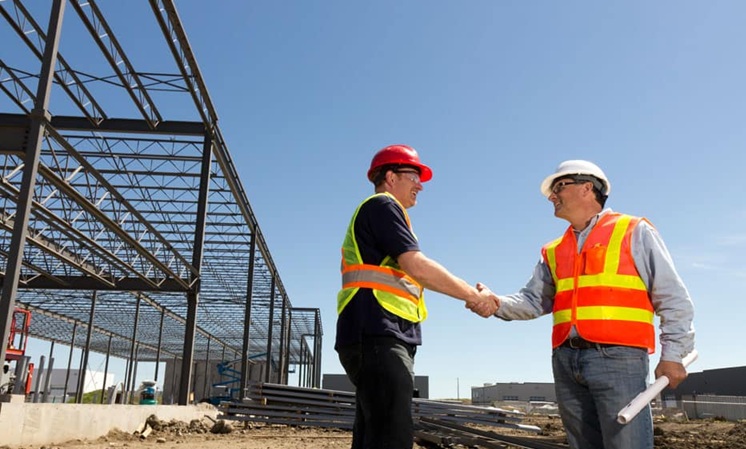
The construction industry is at a crossroads. With rising material costs, increasing pressure to meet deadlines, and the growing need for sustainable practices, efficiency is no longer optional—it’s essential. One of the most promising strategies to meet these evolving demands lies in a more integrated approach: fostering close collaboration between fabricators and contractors.
Traditionally, these two groups have operated independently. Fabricators would produce materials based on pre-set specifications, and contractors would install them with limited input on how those materials were designed or manufactured. This siloed approach often led to communication breakdowns, delays, cost overruns, and a host of other inefficiencies.
But the future tells a different story, one where collaboration drives innovation and builds smarter.
The Legacy Approach: Why Working in Silos Doesn’t Work Anymore
In many projects, a lack of coordination between fabrication shops and construction sites results in missteps that ripple across the entire build. These include:
- Design Misalignment: Designs might not account for what is realistically achievable or cost-effective in the fabrication process. When this happens, rework becomes necessary, wasting time and resources.
- Communication Lapses: A hand-off from one team to another without adequate discussion or feedback leads to incorrect assumptions or missed opportunities for improvement.
- Inefficiencies and Downtime: Contractors might wait on critical components that haven’t been fabricated yet or arrive at the job site only to find parts that don’t fit as expected.
These challenges not only stall progress but can severely impact budget, quality, and client satisfaction.
Why Collaboration Matters More Than Ever
Collaborative practices are gaining ground for a good reason—they make construction smarter, faster, and more responsive to real-world needs. Here’s how collaboration between fabricators and contractors reshapes the building process for the better:
- Smarter Design Through Early Fabricator Involvement
When fabricators are involved from the design stage, they can offer insight into material limitations, manufacturing efficiencies, and cost-effective alternatives. This enables the design to be tailored for production, significantly reducing the risk of errors and waste.
This process, commonly referred to as Design for Manufacturability (DFM), has proven especially useful in commercial and industrial builds, where precision and performance are paramount. By looping in fabricators early, teams can avoid design flaws that would otherwise require time-consuming field modifications.
- Streamlined Scheduling and Material Handling
Contractors rely on timing. When materials arrive late or don’t match specifications, the entire project timeline suffers. A collaborative relationship ensures that schedules are synchronised and that both teams are working with shared expectations.
When fabricators and contractors plan together, they can coordinate shipping sequences, anticipate installation challenges, and align their operations to meet just-in-time delivery goals. This reduces material stockpiling on site, cuts down on handling costs, and ensures smoother progress throughout the build.
- Minimised Rework and Waste
A key outcome of enhanced collaboration is a dramatic reduction in errors and waste. Detailed communication between teams results in better-documented specifications, which decreases the likelihood of miscuts, mismatched assemblies, or incompatible parts.
This not only leads to a greener, more sustainable project, but it also means lower overall costs—a win for everyone involved.
- Better Quality Control and Performance
Joint planning allows both teams to define quality expectations upfront and develop consistent standards. When fabricators understand the environment in which their components will be used, they can ensure durability and fit-for-purpose solutions.
Contractors, in turn, benefit from components that are more easily installed and require less adjustment on-site. The result is a higher-quality build with fewer surprises and fewer punch-list issues at project completion.
The Role of Technology in Fostering Collaboration
Modern construction technologies are accelerating the shift toward integration. Tools and methodologies that promote transparency and real-time collaboration are rapidly replacing outdated workflows.
Building Information Modeling (BIM)
BIM is a digital representation of the physical and functional characteristics of a facility. By giving every stakeholder access to the same model, teams can collaborate on clash detection, installation logistics, and material compatibility well before construction begins.
BIM creates a common language and reduces the number of costly surprises once work is underway.
Cloud-Based Project Management Platforms
Software solutions now make it easier than ever for contractors and fabricators to share drawings, comment on specifications, and track deliveries in real time. This accessibility helps teams work in lockstep, even if they are not in the same physical location.
Integrated Project Delivery (IPD)
IPD is a contractual arrangement that aligns incentives across all parties involved in a project. It promotes trust, transparency, and joint decision-making, making it ideal for encouraging collaboration between fabricators and contractors.
A Real-World Example: The Power of Partnership
Many modern companies are already leading the way in collaborative construction practices. One example is a metalworks business with a strong reputation for precision and flexibility in both design and fabrication. Known for their work in custom structures and commercial metalwork, this company offers Metal Fabrication Stainless Steel solutions that are tailored with the end contractor in mind.
Rather than waiting for instructions, their team works closely with contractors from the start, helping shape specifications, providing prototypes, and offering expert advice on installation methods. This level of engagement reduces back-and-forth and speeds up overall completion times while maintaining the highest standards of quality.
By making collaboration a core component of their business model, they exemplify the kind of agile thinking required to succeed in a fast-changing construction environment.
Overcoming Challenges to Collaboration
Despite the benefits, true collaboration still faces obstacles:
- Cultural Resistance: Many firms are set in their ways, preferring a linear workflow over a shared one. Change management and leadership buy-in are essential to overcoming these habits.
- Contractual Limitations: Legacy contract models often do not incentivise shared responsibility or reward joint problem-solving. Adopting flexible, partnership-based contracts can make collaboration more appealing and financially viable.
- Initial Costs: Upfront investments in technology or integrated teams can be a hurdle, but the return on investment is well-documented. Projects that embrace collaboration consistently report reduced timelines, fewer change orders, and improved budget control.
Looking Forward: A Blueprint for Success
The construction industry will only become more complex in the coming years. Labour shortages, stricter environmental regulations, and rising client expectations demand better strategies, and collaboration stands out as a critical solution.
To embrace this future, both contractors and fabricators should:
- Establish Communication Channels Early
Begin dialogue during the planning phase, not when fabrication is already underway. - Share Goals and Metrics
Define success in the same way—on-time delivery, budget alignment, quality standards, etc. - Invest in Training and Tools
Equip teams with the software and skills they need to work effectively across disciplines. - Document and Repeat Successes
Learn from successful collaborations and turn them into templates for future projects.
As more companies recognise the competitive advantages of an integrated approach, this model is poised to become the industry standard. Whether you’re a contractor looking for reliable components or a fabricator aiming to better support project outcomes, the future belongs to those who collaborate early and often.