
When you’re managing a construction site, trees can feel like just another obstacle between plans and progress. But removing or working around them is rarely straightforward. Done well, it protects your timeline, budget, and reputation. Done poorly, it can lead to fines, safety hazards, or long-term damage that’s far more expensive than the original work.
To address these complexities, it’s important to plan the involvement of trees from the start. Moving from this foundation, let’s explore why early and comprehensive planning is vital for success.
Planning Early and Comprehensively Is Essential
Most construction teams realize quite late that trees complicate excavation, access routes, or utility work. Hidden tree roots can crack foundations, interfere with underground lines, or force costly redesigns when they’re ignored early on.
Thoughtful planning makes a difference in all situations. Addressing these issues upfront reduces delays and protects nearby infrastructure. In fast-growing regions, such as Western Australia, early coordination with arborists experienced in tree removal Perth projects minimizes delays. They help construction teams manage access limitations, local regulations, and site safety before problems escalate.
Understanding When Removal Is Necessary
Not every tree needs to come down. Sometimes strategic tree trimming or tree pruning solves clearance issues while preserving site integrity. Even so, removal becomes unavoidable when a tree is structurally unsound, diseased, or positioned directly in the footprint of planned work.
A hazardous tree may not look dangerous at first glance, but internal decay or leaning caused by storm damage can create serious risks. In these cases, professional tree removal protects workers and equipment. Knowing when removal is justified helps you avoid disputes and liability.
Working With Professionals, Not Guesswork
Construction teams aren’t expected to be tree experts, and that’s a good thing. Partnering with ISA-certified arborists (International Society of Arboriculture) ensures trees are evaluated correctly and handled safely. These specialists understand structural integrity, species behavior, and long-term impacts that aren’t obvious from the surface.
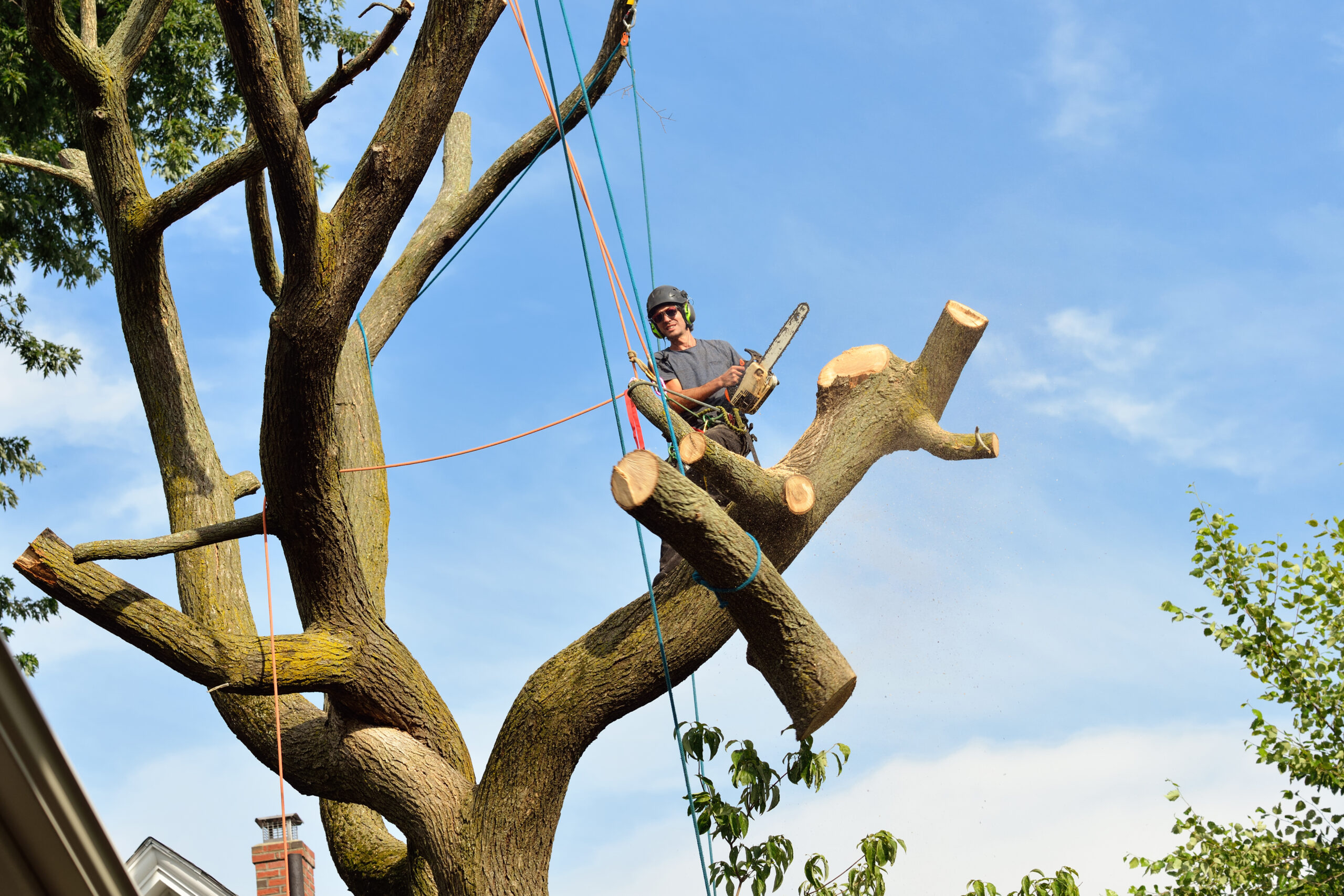
Engaging trusted experts like Lumberjacks for tree removals in Perth ensures your site stays safe, compliant, and on schedule. Their crews use advanced rigging systems, cranes, and bucket trucks—minimizing site disruption and helping construction move forward efficiently, even in confined or urban environments.
Stumps, Roots, and What’s Left Behind
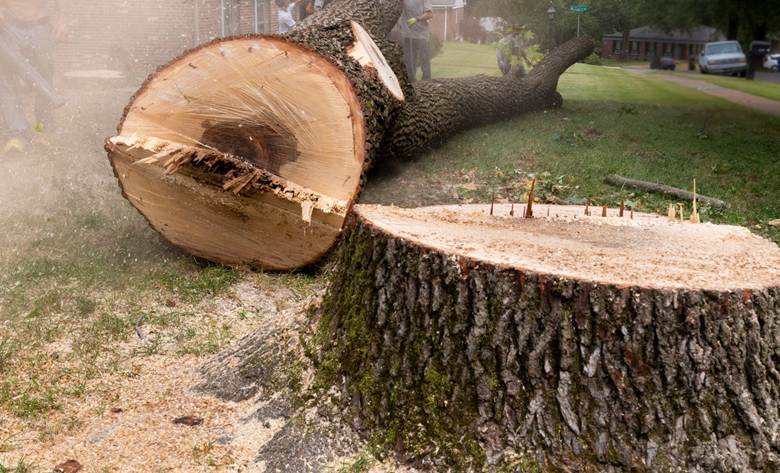
Removing the trunk is only half the job. Leftover stumps interfere with grading, drainage, and paving. Techniques like stump grinding and full tree stump removal ensure the site is ready for construction without future settlement issues. They likewise prevent regrowth and eliminate tripping hazards, making it easier to meet final inspection standards and maintain long-term site stability.
In some cases, selective root pruning can preserve nearby trees while allowing excavation to proceed safely. This approach is especially useful on tight sites where protecting surrounding vegetation helps maintain soil stability and prevents unnecessary disruption to adjacent structures.
Navigating Local Rules and Permissions
Tree work often involves more regulation than teams expect. Many areas enforce county tree ordinances and specific tree regulations designed to protect local canopies and ecosystems. These rules may dictate what can be removed, how replacements are handled, and what documentation is required.
Failing to understand a permitting requirement can halt a project overnight. In public-facing spaces like road verge greenways or recreation sites, approvals may involve multiple agencies. Staying compliant not only avoids fines but also builds goodwill with local authorities and communities.
Special Legal Considerations in Certain Regions
Laws can vary widely depending on location, and some regions are especially strict. For example, Florida Law 163.045 outlines protections for certain residential trees and limits removal without proper justification.
Ignoring region-specific legislation can expose construction firms to lawsuits or forced replanting at their own expense. This is why legal awareness should sit alongside engineering and environmental planning, not after them.
Emergency Situations and Time-Critical Decisions
Construction doesn’t stop for bad weather. High winds, flooding, or lightning can cause sudden tree damage, creating unsafe conditions overnight. When a tree threatens workers or access routes, emergency tree removal may be the only safe option.
Quick action still needs to be documented properly. Coordinating tree and stump removal under emergency conditions helps protect your crew while maintaining compliance once the immediate danger passes.
Weather, Timing, and Execution
However, note that tree removal work is sensitive to weather conditions. Wet soil affects equipment stability, while extreme heat or wind can make removal unsafe. Scheduling around seasonal patterns reduces risk and helps crews work more efficiently.
Coordinating tree operations with excavation, grading, and utility installation ensures smoother workflows. When done correctly, trees stop being delays and start becoming part of a well-orchestrated build.
Trees, Design, and Long-Term Project Value
Trees can become assets when managed well. Preserving mature trees can enhance property value, improve aesthetics, and support environmental sustainability goals tied to modern urban development.
Smart planning also aligns with urban forestry principles, balancing construction needs with green infrastructure. A proactive approach to tree care ensures you meet landscape requirements without scrambling at the end of the project.
This mindset applies to all scales of work, including contractors for parking lot projects, where shade, drainage, and visual appeal can influence usability and long-term maintenance costs.
Conclusion: Build Smarter by Respecting the Trees
Tree decisions shape more than your site layout; they affect safety, compliance, and the final quality of your project. When you treat tree planning as a core construction task, not an afterthought, you reduce risk and gain flexibility.
By working with experts, understanding regulations, and planning ahead, you turn a potential headache into a strategic advantage. That’s how modern construction teams build responsibly, efficiently, and with confidence.



